
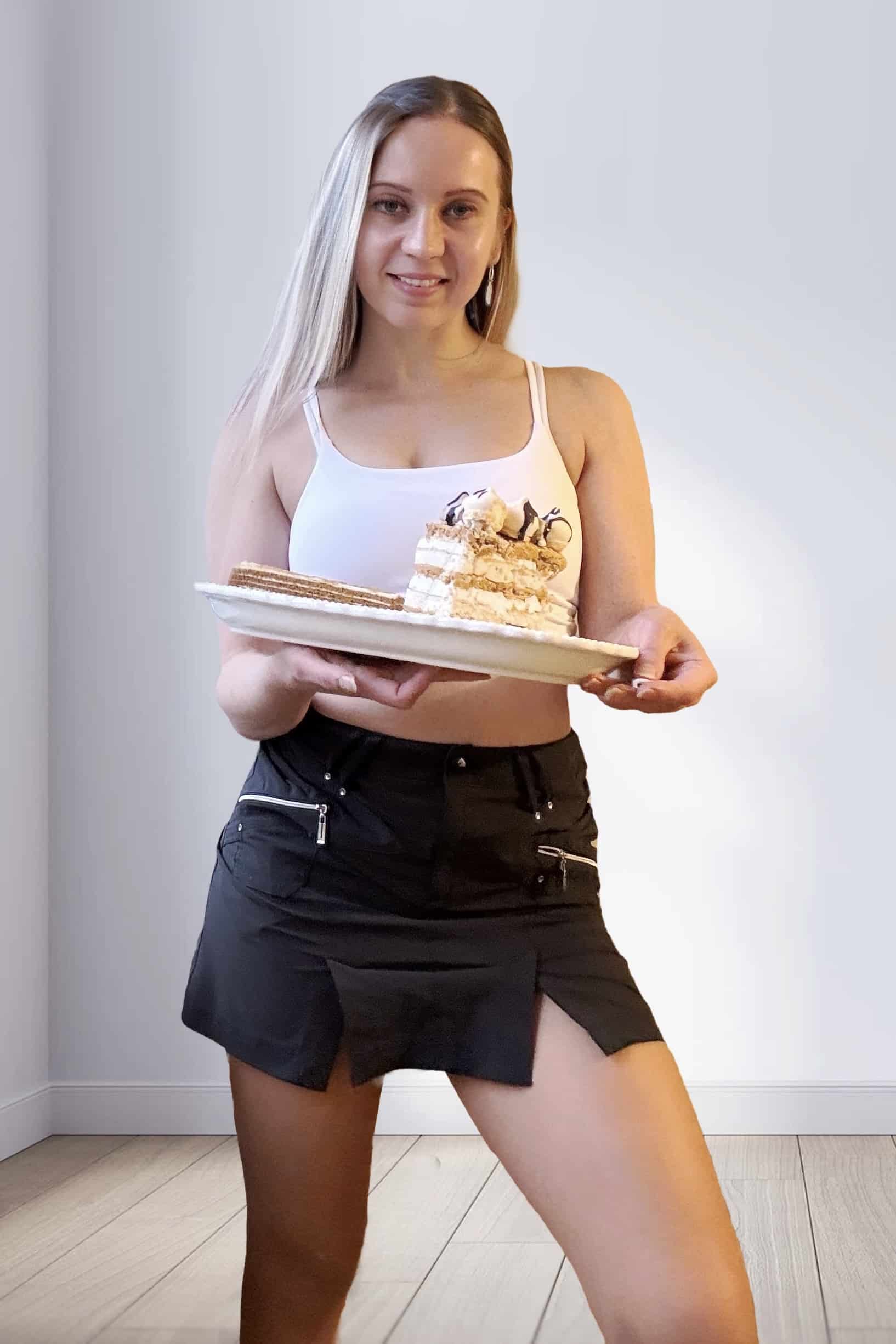
This Brazilian chocolate glaze (I call it my Brigadeiro Glaze) skips the powdered sugar entirely and uses sweetened condensed milk instead, the same base behind Brazil's favorite chocolate treat. It cooks in one saucepan for just 2 to 3 minutes, staying glossy and pourable instead of setting up thick. Five ingredients, no mixer, ready before your cake even finishes cooling.

My fave Brazilian desserts are mousse de maracuja (passionfruit mousse) and bolo de brigadeiro, so I tried making this Brazilian chocolate glaze to see if was better than American glaze...for science.
I cook my Brigadeiro Glaze only for 2-3 minutes and that short cook time is what keeps it from turning into fudge of brigadeiro: instead of a thick, cakey glaze, you get a thin, glossy layer that sets into a shell once it cools. I use this exact glaze on my Brazilian Carrot Cake, but it works just as well over a loaf cake, bundt cake, or plain vanilla cake if you want a fast chocolate finish without pulling out a mixer or a bag of powdered sugar.
Why This Glaze Skips Powdered Sugar
Most chocolate glaze recipes start with powdered sugar, butter, and a little milk. This one doesn't use powdered sugar at all.
Instead, I used sweetened condensed milk (always used in Brazil), which gives it a richer, glossier finish without any grittiness. Condensed milk is also the base of brigadeiro (here's more on differences between Brigadeiro vs. Chocolate Glaze), Brazil's iconic chocolate candy, so this glaze borrows that idea and stops it early. Brigadeiro simmers for 10 to 15 minutes until it thickens into fudge. This glaze cooks for just 2 to 3 minutes, so it stays loose enough to pour.

What Dutch-Process Cocoa Does Here
I prefer to use Dutch-process cocoa because it's low in its natural acidity, which gives the glaze a smoother, deeper flavor than regular cocoa powder. It also bakes up darker, closer to a rich, dark brown than the reddish tone you'll get from natural cocoa.
Ingredients
Butter: This is the base the whole glaze builds on, melted first so everything else has something rich to cling to. I use unsalted, but if all you've got is salted, just skip the extra pinch of salt at the end and taste before adding more.
Dutch-Process Cocoa Powder: This is the one ingredient I wouldn't swap without knowing what you're trading away. Dutch-process has had its acidity knocked back, so it tastes smoother and darker than regular cocoa, with none of the sharp, almost sour edge natural cocoa can have. Natural cocoa powder will still work here, it's just a slightly different glaze - a touch brighter and more acidic, lighter in color too. If chocolate flavor is the whole point (and in a five-ingredient glaze, it kind of is), Dutch-process is worth tracking down.
Sweetened Condensed Milk: This is what separates this glaze from the powdered-sugar version you've probably made before. It brings sweetness and a glossy, rich body all in one can, no sifting required. Don't reach for evaporated milk by mistake - it looks similar on the shelf but has no sugar in it, and your glaze will taste flat and won't set the same way.
Whole Milk: Just here to loosen things up. Condensed milk on its own is thick, so a splash of whole milk brings the glaze to a pourable consistency without watering down the flavor. In a pinch, 2% will work fine - I just wouldn't go all the way down to skim, since you lose some of the richness that makes this glaze feel indulgent.
Salt: A small pinch, but it's doing real work. Without it, the glaze tastes one-note sweet; with it, the chocolate flavor actually tastes like more chocolate. Don't skip it just because it seems optional - it's the ingredient equivalent of turning up the contrast on a photo.

How to Make Brazilian Chocolate Glaze
Whisk and Simmer
Add the butter, cocoa powder, condensed milk, whole milk, and salt to a small saucepan over medium heat. Whisk constantly as it heats up - cocoa powder loves to clump at the bottom of the pan the second you look away, so don't wander off here. Once it comes up to a gentle simmer, you're most of the way there.

Know When to Stop Cooking
This is the step that actually matters. Cook for 2 to 3 minutes, and the second it looks glossy and just slightly thickened, pull it off the heat. It should still move easily if you tilt the pan - if it's holding its shape or sticking to the whisk, you've gone too far and it's heading toward brigadeiro territory instead of glaze. When in doubt, undercook it slightly; a glaze that's a touch thin still pours beautifully, but one that's overcooked won't loosen back up no matter how much you whisk.




Carole says
Thanks for a fascinating discussion about what sounds like a delicious cake. Is it in our future to read about the cake recipe?
Olya Shepard says
Absolutely, I linked it in the post and here it is: Brazilian Carrot Cake
Carole says
Thank you Olya! That is a stunning cake, and is now on my “to-do-and-eat” list.
😋
Olya Shepard says
Yay! I am so happy to hear that! It's such a light and delicious cake.