

I wanted a frosting that feels light but still has enough structure to sit neatly on a cake or cupcake, and this one gets very close. Mascarpone is the stabilizer here, and when it's paired with cream cheese and whipped cream, it creates a frosting that stays smooth, plush, and much more dependable than plain whipped cream.

What I like about this frosting is that it works for 12 cupcakes or a 3-layer 8-inch cake, so it fits both smaller celebrations and a full layer cake. I keep the mascarpone and cream cheese at room temperature for a smoother base, whip the cream only to stiff peaks, and stop mixing as soon as everything comes together so the frosting stays light and holds its shape.
I blend mascarpone cheese, cream cheese, powdered sugar, vanilla, lemon zest, and whipped cream into a frosting that is smooth, airy, and sturdy enough for layered cake such as Berry Chantilly Cake. It works especially well on berry cakes, vanilla cake, sponge cake, strawberry desserts, and summer bakes where you want something fresh but still stable.


Chantilly Cream Frosting with Mascarpone
Equipment
- Stand mixer or hand mixer
- large mixing bowl
- measuring cups and spoons
- Rubber spatula
- Fine zester or microplane
- offset spatula
- Cake turntable, optional
Ingredients
Frosting Base
- 16 ounces mascarpone room temperature
- 6 ounces full-fat cream cheese room temperature
Sweetener and Flavor
- 2 cups powdered sugar sifted
- 1 teaspoon vanilla extract
- Zest of 1 lemon
- Pinch of salt
Whipping Cream
- 2 ½ cups heavy cream cold
Instructions
- Beat the mascarpone and cream cheese together in a large bowl until completely smooth and lump-free.
- Add the powdered sugar, vanilla, lemon zest, and salt. Mix until fully combined.
- In a separate bowl, whip the heavy cream to stiff peaks.
- Fold one-third of the whipped cream into the mascarpone mixture to loosen it.
- Gently fold in the remaining whipped cream in two additions until light and airy.
- Do not overmix.
- Use immediately to frost cakes or cupcakes, or chill until ready to use.
Notes
Tips for Success
- Let the cake cool completely before frosting it. Chantilly cream will melt if it goes onto a warm cake, so this step really matters if you want the frosting to stay put.
- Keep everything cold. I like to chill the cream, bowl, and whisk before I start, and I make sure the bowl and whisk are completely dry.
- Use a heavy cream with at least 36% milkfat if you can. A higher-fat cream is more stable, and when you combine it with mascarpone, cream cheese, and powdered sugar, the frosting holds up better.
- Stop whipping as soon as stiff peaks form. If you go too far, the texture can turn grainy and start to go from fluffy to buttery.
- Make sure the mascarpone and cream cheese are at room temperature before mixing. That helps the base blend smoothly and keeps the frosting from turning lumpy.
- Chill the frosting if you are not using it right away. It firms up nicely in the fridge and stays more structured once it's cold.
- Frost the cake, then chill it before serving. That gives the frosting time to set and makes slicing cleaner.

Troubleshooting
Why is my frosting grainy?
That usually happens if the mascarpone or cream cheese was too cold, or if the cream was whipped too long. Let the dairy soften a bit before you start, and stop whipping as soon as the cream reaches stiff peaks.
Why is my frosting too soft?
It may need more chilling, or the cream may not have been whipped enough. Put it in the fridge for a short time and use it once it firms up.
Can I pipe this frosting?
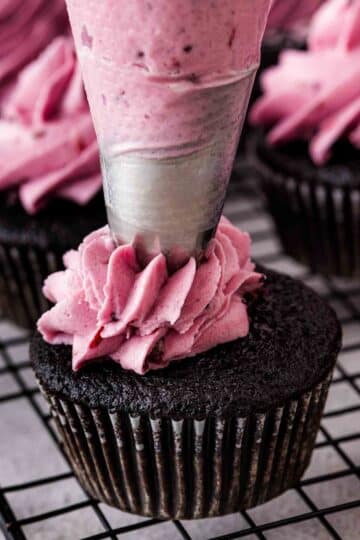
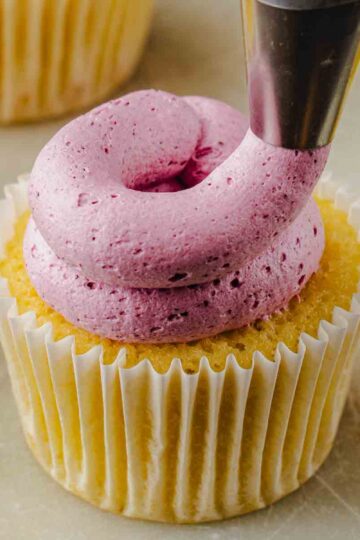
Yes, but it pipes best after a short chill. If it feels too soft, refrigerate it first, then pipe it right away.
Can I make it ahead?
Yes. Make it ahead and keep it chilled until needed. For the best texture, frost the cake and then refrigerate it before serving.
Can I put it on a warm cake?
No. The cake should be completely cool first, or the frosting can soften and slide.
Storage
Store Chantilly cream frosting in an airtight container in the refrigerator. It is best used fresh, but it will usually keep for about 2 to 3 days, though the texture may soften a little over time. If you frosted a cake with it, keep the cake refrigerated until serving.
If the frosting has been in the fridge and feels a little loose or stiff, let it sit briefly at room temperature and stir it gently before using. For the best texture, use it soon after making it, especially if you want to pipe it or spread it neatly. It should not sit out for long on a warm day, since the frosting can soften and lose shape.

Comments
No Comments