
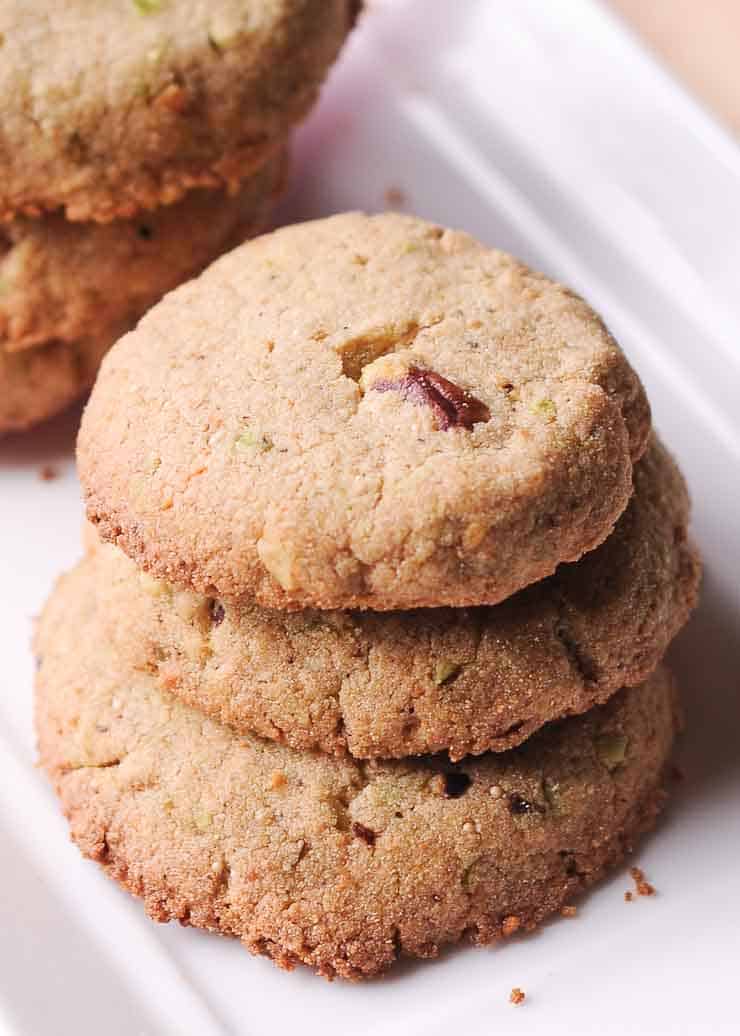
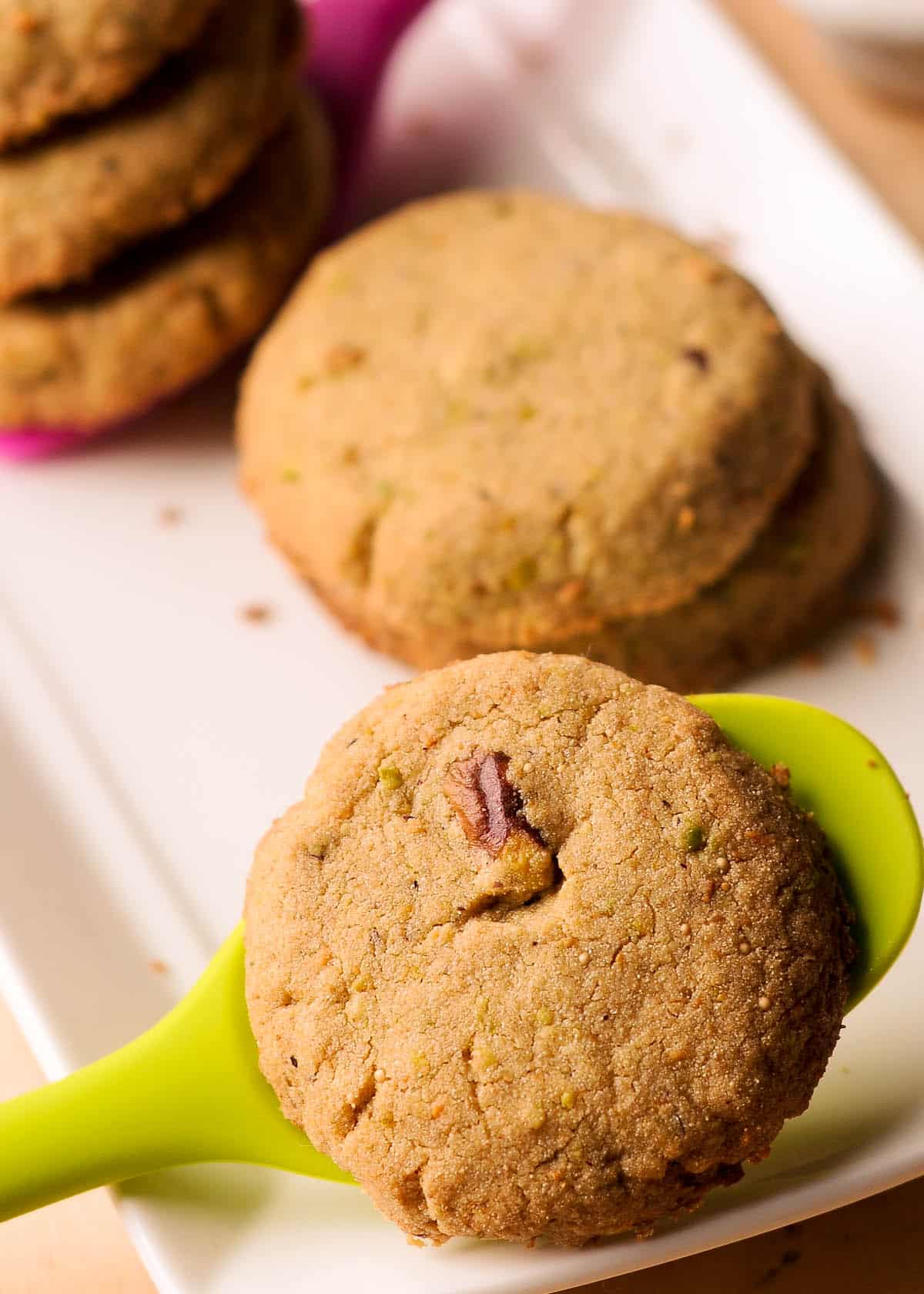
These Amaranth Shortbread Cookies - known in India as Rajgira cookies - are buttery, nutty, and loaded with pistachios and cashews, all made with 100% amaranth flour and no gluten whatsoever. Spiced with ginger, nutmeg, and bright lemon zest, they're a traditional Indian treat that's surprisingly simple to make at home. Slice-and-bake style dough, 12 minutes in the oven, and completely dairy free adaptable - this is the amaranth flour recipe you didn't know you needed.
Love baking with amaranth flour? These Amaranth Flour Spiced Cookies use the same flour with a completely different technique - one bowl, drop-style, crispy.
Amaranth shortbread cookies - called Rajgira cookies in India - are one of the most underrated gluten-free shortbread recipes in existence. Made with 100% amaranth flour (known as Rajgira flour in Hindi), pistachios, cashews, and warm spices, they deliver a rich, nutty, melt-in-your-mouth texture that rivals any butter shortbread you've ever had - without a single gram of gluten.
These are traditional Indian cookies that have been made during religious fasting festivals for centuries, long before "gluten-free baking" became a trend. In the earlier days Rajgira cookies were baked on stove tops, since most Indian homes did not have an oven. The dough is slice-and-bake style, which means you can mix it ahead, refrigerate overnight, and bake fresh cookies in 12 minutes flat.
Whether you're baking for a gluten-free diet, exploring Indian cookie recipes, or just want a sophisticated, nut-studded shortbread that's genuinely different from everything else on your cookie tray - this recipe delivers every single time.
What is Rajgira Flour?
Amaranth (also knonw as Rajgira) is a less popular cousin of quinoa super-grain favored by the ancient Incas. These crops have similar nutritional profiles. Amaranth is high in protein and it has the optimal amino acid ratio set by the World Health Organization.
Rajgira flour (Ramdana in Hindu) comes from the seeds of the amaranth plant and is used extensively during religious festivals for fasting. Actually, the tiny Amaranth seeds are botanically fruits and not seeds! While the seed itself is used in many forms, the flour of the dried seeds is most popularly used.
Originally a staple of the Aztec diet, Amaranth or Rajgira means "immortal" or "everlasting" in Greek. This amazing gluten free grain contains more than three times the average amount of calcium. It is also high in iron, magnesium, phosphorus, potassium. Additionally, it is the only grain which contains Vitamin C.
Ingredients for Amaranth Shortbread Cookies
- Amaranth flour (Rajgira flour) - the star of the recipe and the reason these cookies are 100% gluten free; it has a naturally nutty, earthy flavor that gives these shortbreads far more character than rice or tapioca-based alternatives
- Olive oil - replaces butter for a dairy-free shortbread that still bakes up rich and crisp; use a mild, light olive oil rather than extra virgin so the flavor doesn't overpower the spices
- Powdered sugar - dissolves completely into the dough, which is what gives shortbread its signature melt-in-your-mouth texture; granulated sugar won't work the same way
- Pistachios - chopped and folded into the dough for crunch, color, and a buttery richness that complements the earthy amaranth flour beautifully
- Cashews - adds a creamy, mild nuttiness that rounds out the sharper pistachio flavor; chop them roughly so you get uneven pockets of texture in each slice
- Fresh ginger - brings a bright, warming heat that dried ginger simply can't replicate; finely grate it so no fibrous pieces end up in the dough
- Lemon zest - cuts through the richness of the oil and nuts with a clean citrus lift; don't skip it - it's what makes these cookies taste fresh rather than heavy
- Nutmeg - just a pinch adds subtle warmth and depth; this is a classic pairing with amaranth in traditional Rajgira baking
- Salt - balances the sweetness and amplifies every other flavor in the cookie; flaky salt on top before baking is worth the extra step
Ingredient Notes & Substitutions
- No pistachios? Almonds or walnuts work well - almonds keep the flavor profile clean, walnuts add a slightly bitter edge that pairs well with the lemon zest
- No cashews? Macadamia nuts are the closest swap for creaminess; pine nuts also work beautifully and feel more traditionally Mediterranean
- Olive oil → coconut oil works if you want a more neutral fat, but the cookies will be slightly softer and less crisp at room temperature
- Fresh ginger → dried ginger is an acceptable substitute in a pinch; use half the amount since dried ginger is significantly more concentrated
- Lemon zest → orange zest shifts the flavor profile toward warm and floral rather than bright and citrusy - equally good, just different
- Powdered sugar → coconut sugar is not recommended; it's too coarse, won't dissolve properly, and will change the texture of the dough significantly
How to Make Amaranth Shortbread Cookies Step by Step
1. Mix the wet ingredients.
In a large bowl, whisk together the olive oil and powdered sugar until the mixture is smooth and slightly thick. It won't look like a traditional creamed butter mixture - that's fine. Whisk until no sugar clumps remain.
2. Add the aromatics.
Stir in the freshly grated ginger, lemon zest, nutmeg, and salt. Adding these directly to the fat before the flour blooms their flavor into every bite of the finished cookie.
3. Fold in the amaranth flour.
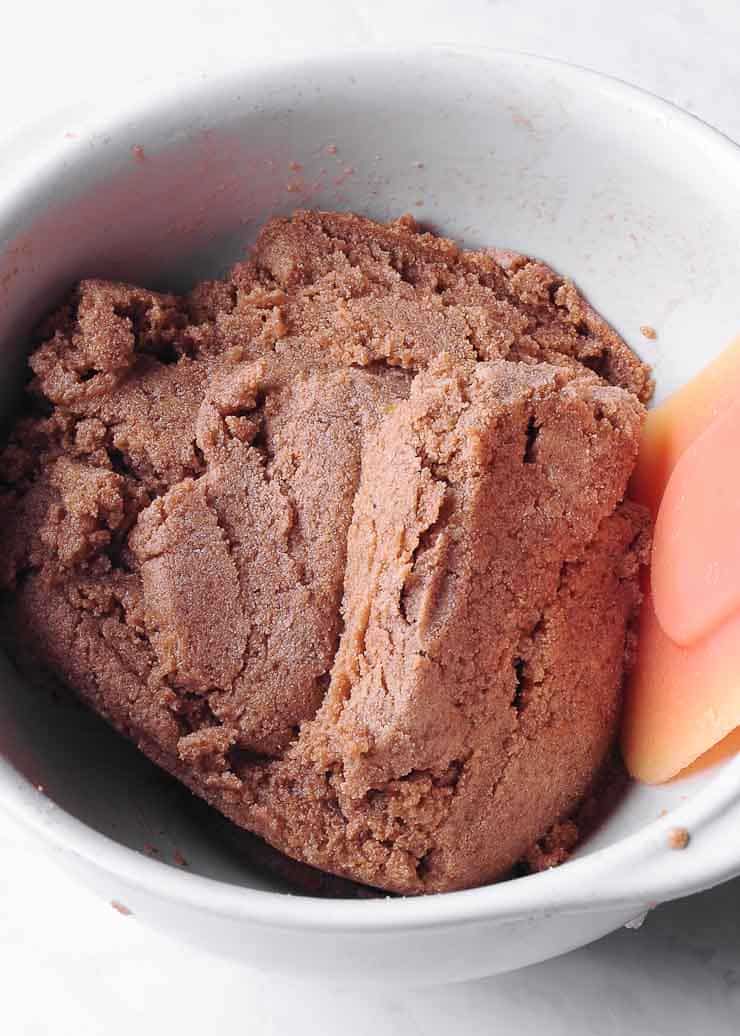
Add the amaranth flour and mix until a soft, cohesive dough forms. It will be denser than a typical shortbread dough and slightly tacky - that's the nature of amaranth flour. Don't add extra flour to compensate; it will dry the cookies out.
4. Fold in the nuts.
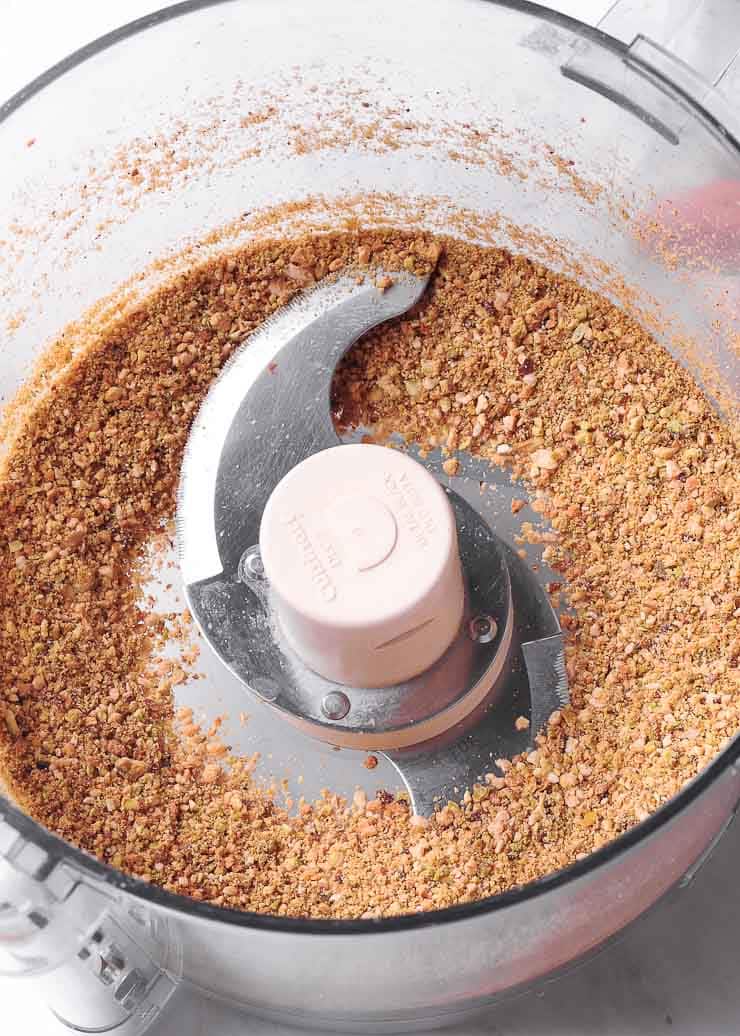
Add the chopped (or processed in the food processor) pistachios and cashews and mix until evenly distributed throughout the dough.
5. Shape into a log.
Turn the dough out onto a sheet of plastic wrap and shape it into a tight, even cylinder. Wrap firmly and refrigerate for at least 1 hour - this is non-negotiable. Chilling firms up the dough so you can slice it cleanly and the cookies hold their shape in the oven.
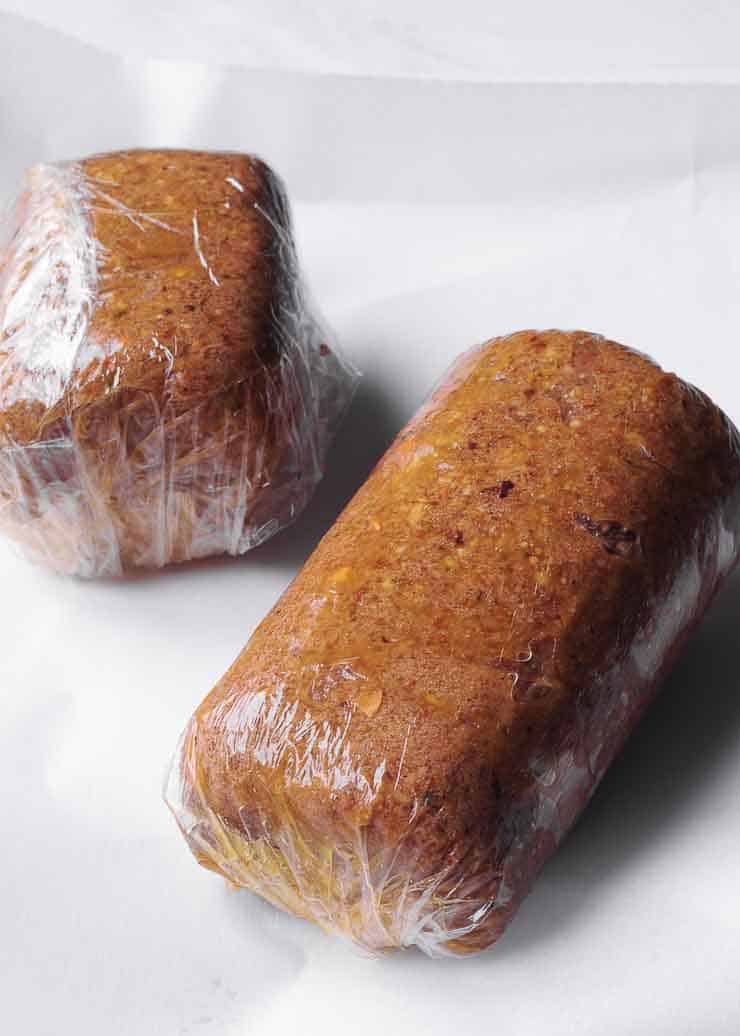
6. Slice and arrange.
Unwrap the chilled log and slice into rounds of even thickness. Place on a parchment-lined baking sheet with space between each cookie. Amaranth shortbread doesn't spread the way drop cookies do, but it still needs breathing room.
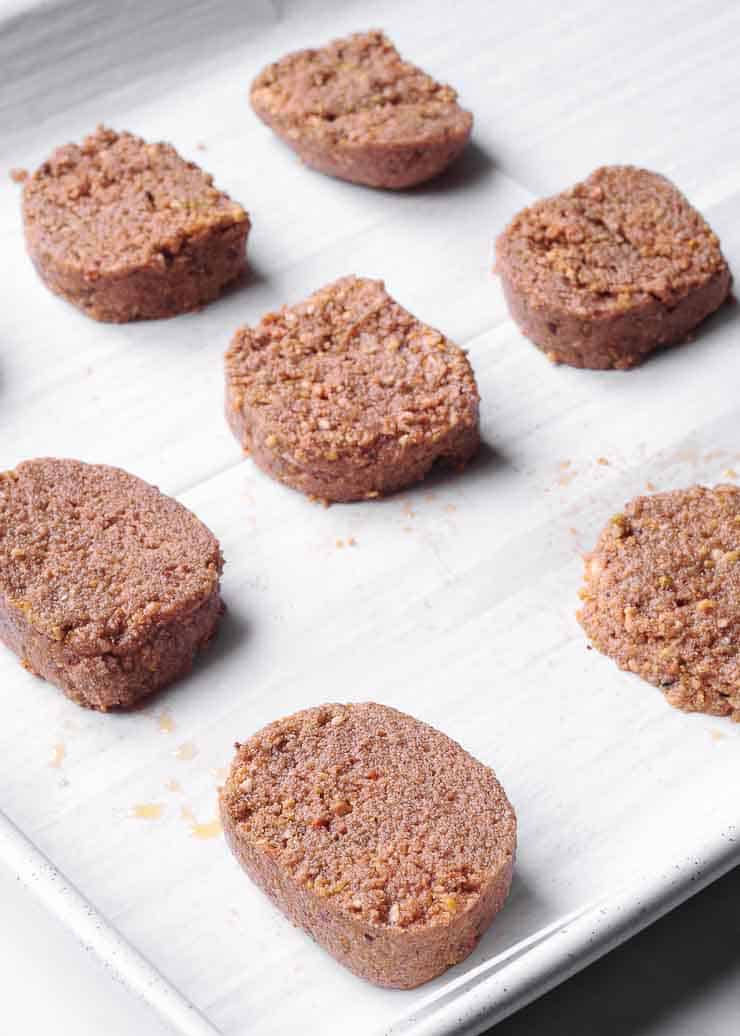
7. Bake until just set.
Bake for 12 minutes until the edges are lightly golden and the tops look dry and set. Pull them on the early side - amaranth flour has very little moisture buffer and overbaking will take these from crisp to hard quickly. They will firm up further as they cool.
8. Cool completely before serving.
Leave the cookies on the pan for several minutes before transferring to a wire rack. Amaranth shortbread is fragile when hot and develops its final snap and texture as it cools - this is where the melt-in-your-mouth quality comes together.

Amaranth Shortbread Cookies (Gluten Free Rajgira Cookies)
Ingredients
- ½ cup butter (or ⅓ cup olive oil)
- ¾ cup dark brown sugar
- 2 tsps ginger
- ⅛ teaspoon nutmeg (optional)
- 1 teaspoon lemon zest (optional)
- 1 tablespoon lemon juice (fresh optional)
- ¼ teaspoon sea salt
- 1.5 cup Amaranth flour
- ½ cup pistachios and cashews (finely chopped)
Instructions
- In a mixing bowl, whisk butter and sugar together. Next add ginger powder, nutmeg, lemon zest, lemon juice, salt and mix well.
- Add amaranth flour to the bowl with butter and sugar. Next add chopped nuts and knead soft cookie dough.
- Divide the dough in two parts and make cylinder shape roll. Refrigerate for at least 3 hours.
- Once the dough is cold, preheat the oven 350 degree F.
Take out the cookie dough rolls from fridge and cut the half inch round cookies from each roll. You will arrange the cookies on the cookie sheet lined with parchment paper. - Bake at 350 F for 12 to 14 minutes until brown around the bottom edge. Cool for 10 minutes.
Tips for Slicing the Dough Cleanly
- Use a sharp chef's knife, not a serrated blade - press straight down in one clean motion rather than sawing, which drags the nuts and cracks the dough
- If the log crumbles or cracks, it's too cold; let it sit at room temperature for 3-4 minutes before continuing
- Re-roll the log on the counter after unwrapping if it flattened in the fridge - takes 10 seconds and gives you perfectly round cookies
- Wipe the blade between cuts if the dough is sticking - a clean knife makes cleaner slices every time
Frequently Asked Questions
Can I use whole amaranth seeds instead of amaranth flour?
No - whole seeds won't bind the dough and will give you a gritty, crumbly texture. You need fine-ground amaranth flour (sold as Rajgira flour in Indian grocery stores) for this recipe to work properly.
Why did my dough crack when I tried to slice it?
The dough was too cold. Let the log sit at room temperature for 3-5 minutes before slicing. If it's still cracking, gently press cracked edges back together - the cookies will bake up fine either way.
Can I make these without nuts?
Yes. Simply omit the pistachios and cashews for a plain amaranth shortbread. The texture will be slightly more uniform and delicate. You can also replace the nuts with dried cranberries or chopped dark chocolate for a different flavor profile.
Why is this recipe called Rajgira cookies?
Rajgira is the Hindi word for amaranth, and these cookies are traditionally made during Hindu fasting festivals like Navratri, when grains like wheat and rice are avoided but Rajgira flour is permitted. They're a centuries-old Indian staple that happens to be naturally gluten free.
Can I add chocolate to these cookies?
Absolutely - a drizzle of dark chocolate over the cooled cookies is a natural pairing with the pistachio and lemon zest. You can also press a few dark chocolate chips into the top of each slice before baking.
Can I double the batch?
Yes, and it's worth doing. Shape two logs, bake one now and freeze one for later. The dough freezes beautifully and having a log ready to slice on demand is one of the best things about slice-and-bake shortbread.
Are amaranth shortbread cookies healthy?
Compared to traditional butter shortbread, yes - meaningfully so. Amaranth flour delivers more protein, fiber, iron, and magnesium than wheat flour, and the olive oil replaces saturated dairy fat. That said, these are still a cookie with sugar, so treat them as a better-for-you indulgence rather than a health food.
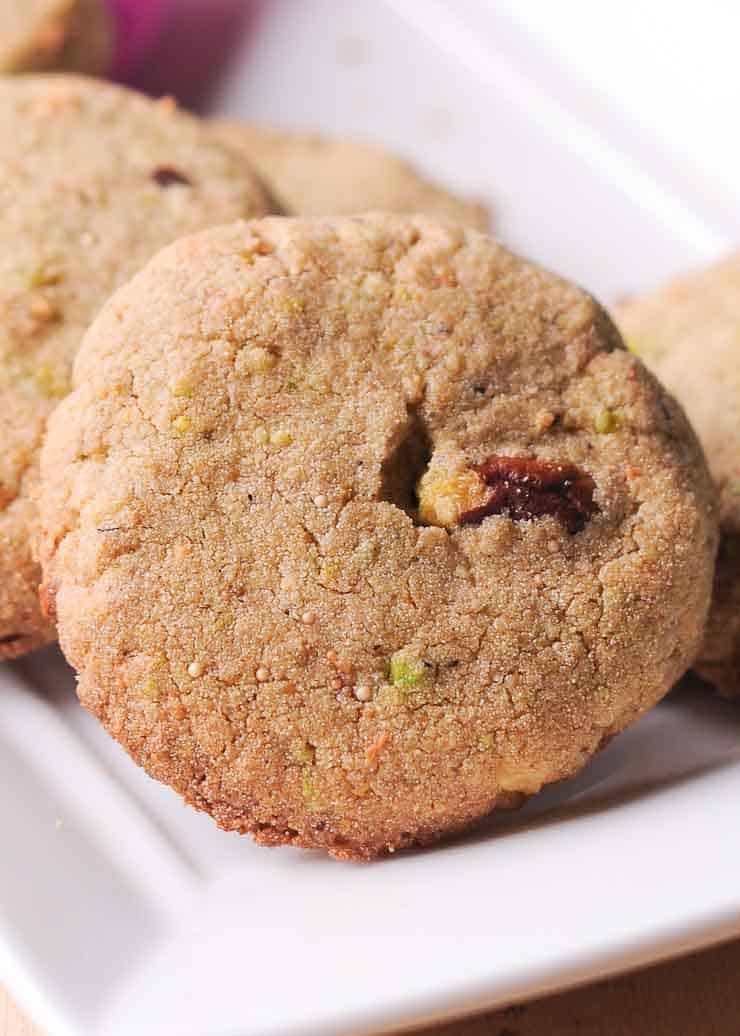
How to Store and Freeze Amaranth Shortbread Cookies
- Room temperature: Store baked cookies in an airtight container for up to 5 days. These actually improve on day two - the spices deepen and the texture firms into a cleaner snap. Keep them away from moisture; humidity is the enemy of shortbread.
- Refrigerator: Not recommended for baked cookies. Cold air softens the crunch without any benefit. The fridge is only useful here for the unbaked dough log.
- Freezing baked cookies: Freeze in a single layer on a sheet tray until solid, then transfer to a zip-lock bag for up to 2 months. Thaw at room temperature for 20-30 minutes - they come back to near-fresh texture remarkably well.
- Freezing the raw dough log: This is the best make-ahead move. Wrap the shaped log tightly in plastic wrap, then in foil, and freeze for up to 3 months. When ready to bake, transfer to the fridge the night before to thaw, then slice and bake as directed.
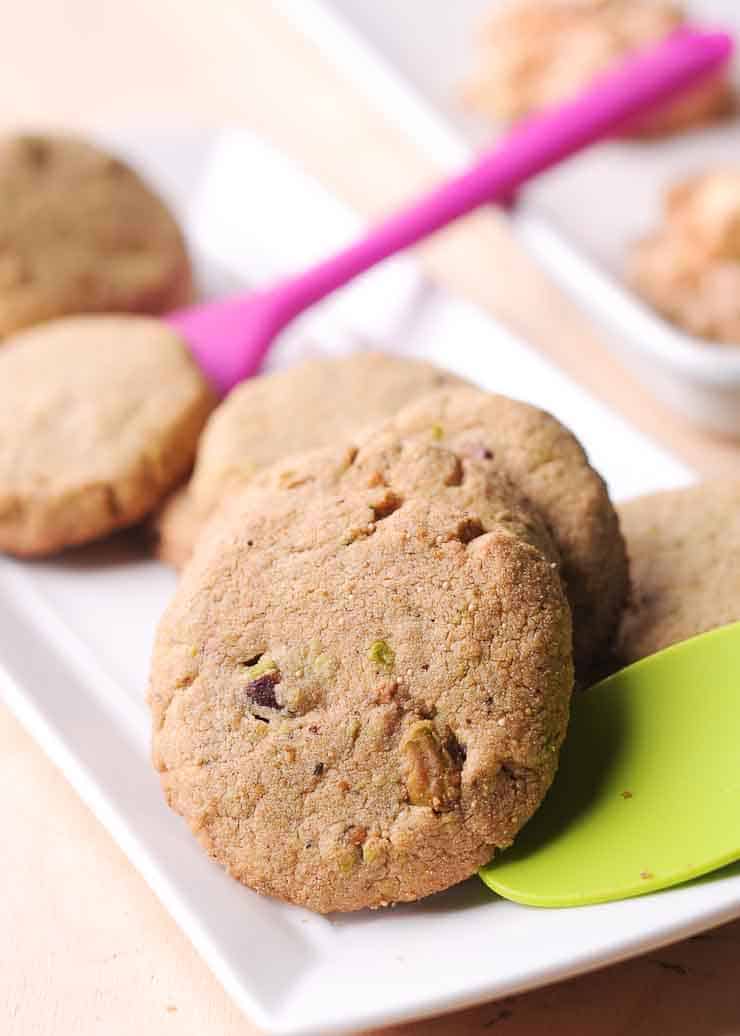
How to Make Them Dairy Free
Making these Rajgira cookies dairy free couldn't be simpler - swap the butter for olive oil and using the following proportions I tested multiple times (everything else stays the same):
- ⅓ cup of olive oil
- ⅓ cup dark brown sugar
- ⅔ cup of Amaranth flour
Olive oil produces a shortbread that's just as rich and crisp as the butter version, with a slightly more delicate, melt-in-your-mouth finish. Use a light or mild olive oil rather than extra virgin so the flavor stays neutral and lets the ginger, lemon zest, and pistachios shine through.



Ioana says
Hi. Should I melt the butter to have 1/2 cup? Thanks
Olya says
I used 1/2 cup from a solid butter - 1 stick of American butter, or 8 tablespoons.
c says
thank you
Deborah Smith says
Hi,
I would like to make this recipe but don't have cashews. I do have pistachios, walnuts, pecans and pine nuts along with sunflower and pumpkin seeds. What do you think?
Much thanks,
Deborah
Olya says
Pistachios would be perfect and I can imagine that so would be pine nuts, but they are so expensive!
Neha says
Hello, The recipe sounds amazing. Can I use ghee instead of butter or olive oil in the recipe?
Thanks,
Neha.
Iayana Rael says
Hi again, thank you so much for this recipe. Can you advise me on how to adjust it to have no sugar? I can't eat sugar; could use a bit of honey if necessary, but would prefer to not. And in terms of taste i just want a grain taste to perform the function of bread or chapatti foods. (I don't understand what function the sugar has in the whole baking system so don't know how to adjust the recipe. Well in fact i don't understand baking period. ) THANKS!!
Theresa Pickford says
I have a question. Is it 1/2 cup of pistachios and 1/2 cup of cashews? or is it 1/2 cup in total of a combination of both. that might seem like a dumb question, but I don't want to get it wrong. thanks.
Olga says
Good question. It's a total of 1/2 cup of nuts (so do not use more than 1/2 cup for this recipe).