
When a cookie goes wrong, it feels like a mystery: same recipe, same oven, completely different result. I've had batches like that where I stare at the tray thinking, what changed? From a science perspective, though, most "failures" are just predictable reactions to tiny shifts in temperature, ratios, or equipment. In this guide, I treat each common problem like a little cookie experiment that went sideways-and walk you through the most likely cause and the quickest way to fix it next time.

Maybe this sounds familiar: you've been making the same chocolate chip cookie recipe for ages and everyone always raves about them. Then, out of nowhere, the last three batches come out as a gooey, burnt, yet somehow still underbaked chewy mess. You swear you haven't changed a thing, and now you have no idea what's going on. You scroll back through your own photos-the first picture is how they used to look, the next two are from this week-and the difference makes you want to scream.
That, right there, is what I call cookie trouble.
Cookie trouble happens to all of us, even when we're using our "tried-and-true" recipes. This guide walks you through exactly what's going wrong-and how to fix it-so you can get back to soft, thick, delicious cookies instead of flat, dry, or cakey disappointments.
- Learn why your cookies suddenly turn out flat, dry, hard, greasy, or cakey-even when you haven't changed the recipe.
- Understand the science behind common cookie problems so the fixes actually make sense (and stick).
- Get quick, no-fuss solutions: how to adjust butter, flour, sugar, and oven temperature without overhauling the whole recipe.
- See real-life examples of cookies that hold their shape, stay soft for days, or bake up thick and chewy-and how to copy those results at home.
- Walk away feeling confident that the next time a batch misbehaves, you'll know exactly what to tweak instead of guessing and hoping.
Once you understand how cookies work, you can bake soft cookies, chewy cookies, crispy cookies, thick bakery-style cookies, or thin buttery cookies on purpose. For a deeper ingredient-by-ingredient explanation, see my Science of Cookies: How Butter, Sugar, and Flour Shape Every Batch.
For consistently perfect results, see my guide on how to make the best cookies and browse my full cookie recipe collection for more reliable favorites.
Quick Cookie Troubleshooting Table
| Problem | Most Likely Cause | Quick Fix |
|---|---|---|
| Cookies spread too much | Butter too warm, dough not chilled | Chill dough 1+ hour, bake on parchment |
| Cookies don't spread | Too much flour, dough too cold | Spoon and level flour, flatten dough balls slightly |
| Cookies are dry | Overbaked, too much flour | Pull earlier, add extra egg yolk |
| Cookies are greasy | Butter too warm, fat too high | Chill dough, start with cooler butter |
| Cookies are cakey | Too much flour or leavening | Reduce baking powder, swap whole egg for yolk |
| Cookies are hard | Overbaked, not enough moisture | Bake until edges just set, store with bread slice |
| Cookies are pale | Oven too cool, wrong pan | Use oven thermometer, switch to light aluminum pan |
| Cookies burn on bottom | Dark pan, rack too low | Use light pan, bake on center rack, add parchment |
When Cookies Spread Too Much
When my cookies spread into thin, lacy puddles, it almost always means the same thing: the structure set too late and the fat ran ahead of everything else. In plain language, the butter melted faster than the flour network could firm up, so the dough just kept relaxing outward instead of holding its shape.
Likely science-backed causes
- Butter started too warm or fully melted, so it liquefied too quickly in the oven.
- Not enough flour to absorb moisture and support the structure.
- Dough went into the oven warm, so fats were already close to melting.
You'll see this risk more in high-fat, rich cookies like Bakery-Style Salted Caramel Chocolate Chip Cookies, or Biscoff Chocolate Chip Cookies, where the line between "perfectly gooey" and "too flat" is fairly thin.
What I do to fix it next time:
- Chill the dough thoroughly before baking-at least 1 hour, and longer if the kitchen is warm.
- Add a small, measured amount of flour to the next test batch (start with 1-2 tablespoons per full batch).
- Bake on parchment or silicone baking mats, not greased pans, so extra fat doesn't turn the surface into a slip‑and‑slide for your cookies.

When Cookies Don't Spread at All
On the other end of the spectrum, I sometimes get cookies that stubbornly hold their ball shape and refuse to settle. When that happens, they're almost always over‑structured. The flour and/or chilling did too good a job, and the fat didn't have enough freedom to move and relax the dough in the oven.
Likely science-backed causes
- Too much flour, often from scooping directly into the bag or container instead of spooning and leveling.
- Dough chilled so firmly that the fat barely melted before the structure set.
- Oven running too hot, causing the outside to set before the inside could relax and spread.
This shows up easily in doughs that already have a higher flour ratio, such as structured cookies meant for decorating like Chocolate Linzer Cookies.
What I change for the next round:
- Measure flour accurately (I spoon and level, or better yet, use a kitchen scale).
- Let very cold dough sit at room temperature for several minutes before baking so it's chilled, not rock‑hard.
- Gently flatten the dough balls before baking to "suggest" the final shape and give them a head start on spreading.

When Cookies Are Dry
Dry cookies are almost always a moisture balance problem. Either the oven has driven off more water than you meant it to, or there just isn't enough fat and sugar in the dough to hold onto the moisture that is there. I notice this most on days when I take "just one more minute" in the oven and regret it later.
What's usually going on in my kitchen:
- The cookies were overbaked, especially if I waited for the centers to look fully set before pulling the tray.
- There was a little too much flour relative to fat and sugar, so the dough absorbed everything and didn't give much back.
- There wasn't quite enough fat or egg yolk, which are the ingredients that normally help cookies stay soft after they cool.
This is the difference between a cookie that's meant to be tender and soft-like Pumpkin Cookies with Cream Cheese Frosting-and a batch that feels stale on day one even though it's technically "fresh."
What I change next time:
- Bake only until the edges are set and lightly golden, with the centers still looking a bit soft; they finish setting as they cool.
- Double‑check how I'm measuring flour; if the dough feels stiff and dry, I reduce the flour slightly in the next test batch.
- Add an extra egg yolk to a future batch when I want more richness and built‑in moisture without making the dough wetter with extra liquid.
This is the difference between something intentionally tender like Pumpkin Cookies with Cream Cheese Frosting and a batch that just feels stale on day one.

When Cookies Are Greasy
Greasy cookies are what I get when the fat completely outruns the structure-not just in how much they spread, but in how they feel when you bite into them. Instead of the butter being absorbed into a network of starch and protein, it pools, separates, and leaves that slick, heavy mouthfeel that nobody is excited about.
Likely science-backed causes
- Butter was too warm or partially melted before you started mixing.
- Dough never fully firmed up before baking, so the fat melted and leaked before setting.
- Fat ratio is too high for the amount of flour and egg in the recipe.
I walk this line all the time with rich styles that lean hard into butter or cookie butter-like Crumbl-Style Biscoff Lava Cookies or Brownie Stuffed Chocolate Chip Cookies - where "decadent" can tip into "greasy" if I'm not careful.
What I do to fix it next time:
- Start with cool room‑temperature butter: it should feel slightly firm to the touch, not shiny, greasy, or starting to look melted.
- Chill the dough until the surface feels firm and no longer sticky before it goes anywhere near the oven.
- If the dough already looks visibly oily in the bowl, I gently fold in a tablespoon or two of flour, chill again, and then test‑bake just a couple of cookies before committing the whole tray.

When Cookies Are Cakey
Cakey cookies aren't "wrong" if that's what you want-but if you were aiming for chewy, a cake-like crumb can feel like a misfire. Scientifically, it usually means the cookie wandered into cake territory: too much structure and lift, not enough dense richness.
Likely science-backed causes
- Too much flour relative to fat and sugar, boosting the starch network.
- Too much egg (especially whites), increasing protein and water.
- Excess baking powder or baking soda, creating more rise than a cookie needs.
You'll see intentional cake-like results in recipes such as Pumpkin Snickerdoodle Cookies or Lofthouse Cookies, where that texture is the goal.
Quick fixes
- Slightly reduce flour in the next batch if the dough is very stiff.
- Swap one whole egg for 1 egg yolk (yolk-only adds richness without extra water).
- Cut back slightly on leavening and avoid over-creaming the butter and sugar.

When Cookies Are Hard
Hard cookies usually started out right-and then spent a little too long in the oven or lost too much moisture afterward. Sugar and fat want to keep cookies soft; time and heat want to dry them out.
Likely science-backed causes
- Overbaking, especially if you're waiting for visual "done" cues that are more appropriate for cake.
- Too much white sugar and not enough brown sugar, which means less moisture retention.
- Insufficient fat or eggs, or cookies stored uncovered so they dry out.
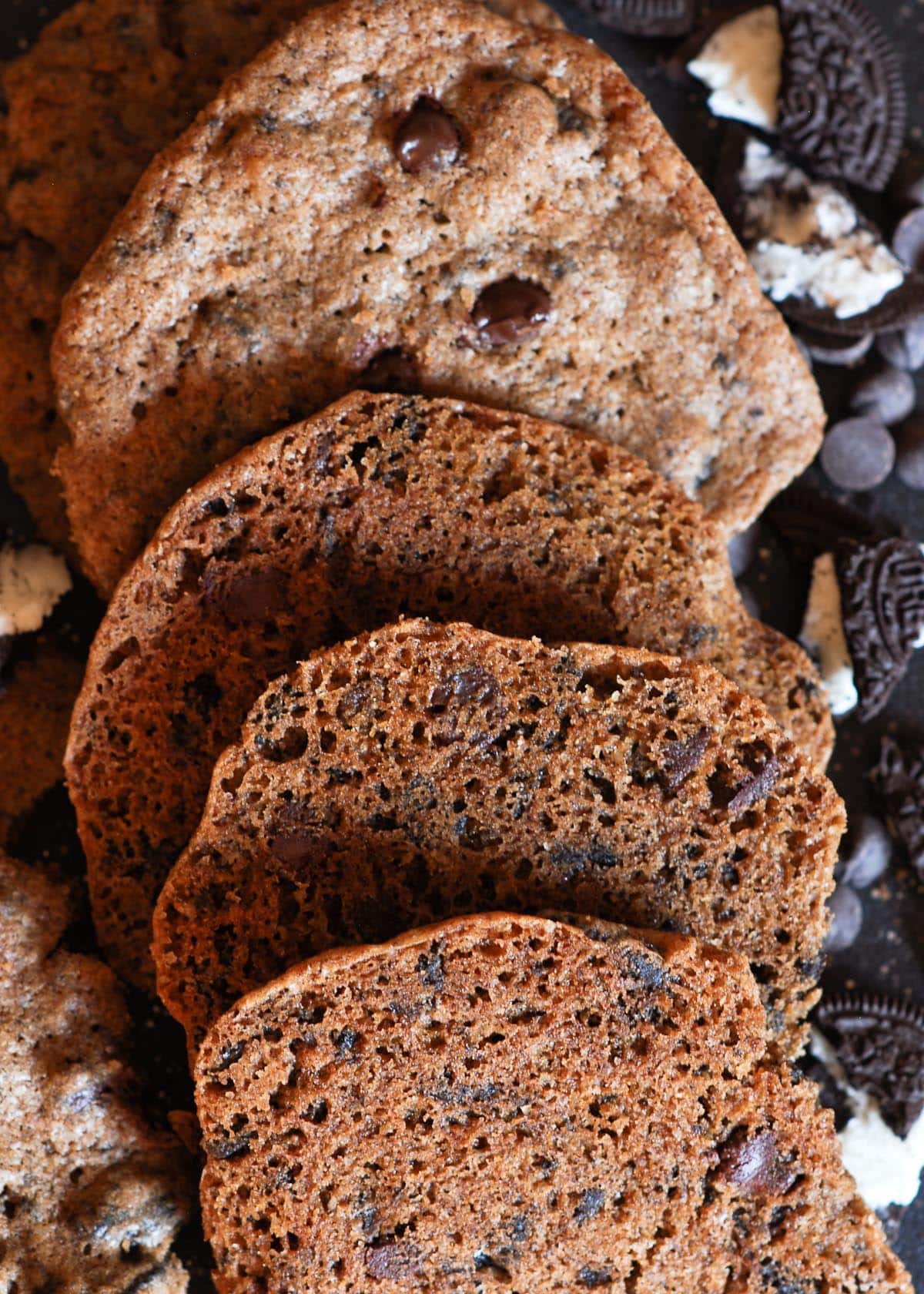
It's the difference between a cookie that stays soft for days (like Oreo Chocolate Chip Cookies) and one that turns brittle overnight.
Quick fixes
- Remove cookies from the oven when edges are set but centers still look slightly soft.
- Increase the brown sugar proportion in your next test batch for better softness.
- Store cooled cookies in an airtight container with a slice of bread to donate moisture back into the batch.
When Cookies Are Pale
Pale cookies are my clue that the flavor never really had a chance to develop. Maillard browning and caramelization didn't get enough time, heat, or sugar to fully kick in. The cookies might be technically baked through, but they taste flatter and sweeter, without that toasty, deep cookie flavor you expect.
What I usually find is happening:
- My oven is running cooler than the display says, so the centers bake through while the surface barely browns.
- I've cut the sugar a little too aggressively, or swapped in a sweetener that doesn't brown as well.
- I've used very light‑colored or heavily insulated pans that slow down bottom browning a bit too much.
This can be the difference between an underwhelming basic cookie and a deeply flavored one like Brown Butter Gingersnap Cookies or Double Chocolate Buckwheat Flour Cookies.
How I fix it going forward:
- Check the oven with an inexpensive oven thermometer and adjust as needed; most home ovens are off by at least a little.
- Be careful about cutting sugar in recipes that rely on browning for flavor-I'd rather tweak portion sizes than strip out all the caramelization.
- Reach for standard, light‑colored aluminum sheet pans instead of very thick insulated ones if browning is lagging behind.
When Cookies Burn on the Bottom
Burnt bottoms happen when the heat at the base of the cookie outpaces the rate at which the rest of it can bake. That's usually a pan and temperature issue, not a recipe failure.
Likely science-backed causes
- Dark or very thin baking pans that absorb and transfer heat too aggressively.
- Oven rack placed too low, closer to the heating element.
- High sugar or sticky add-ins pooling at the base and caramelizing faster than the dough.
Recipes with caramel, candy, or sticky mix-ins-like Salted Caramel Frosted Cookies or Bakery-Style Salted Caramel Chocolate Chip Cookies-are especially prone to this.
Quick fixes
- Switch to light-colored, heavy-gauge aluminum baking sheets.
- Bake on the middle rack rather than the lowest.
- Use parchment paper or silicone mats to create a bit of insulation between dough and pan.

When Cookies Have a Gooey Filling
Filled cookies are a little extra-and they act like it in the oven, too. When you tuck jam, pie filling, or anything gooey inside a cookie, you're not just adding flavor, you're adding extra moisture and weight right to the center. That means the edges often bake and set faster while the middle is still soft, which is why filled cookies can sometimes sink, leak, or look underbaked in the center but overbaked around the edges. A recipe like these Strawberry Pie Filling Cookies (Crumble Topping, Bakery-Style) works so well because the base cookie is sturdy enough to hold the strawberry filling and buttery crumble, yet still bakes up soft and cookie-like-not like a heavy mini pie.
If your filled cookies are giving you trouble, think of it as a little balancing act. A slightly thicker cookie dough, a thicker pie-style filling, and a good chill in the fridge before baking all help the cookies keep their shape and prevent the filling from running. I also recommend baking filled cookies on a light-colored baking sheet on the center rack so the bottoms don't burn while the middle finishes baking. With just a few of these small tweaks, you can enjoy those bakery-style, jammy centers without the leaking, collapsing, or scorched bottoms.

When You're Not Sure What Went Wrong
Sometimes a batch seems to go wrong in three directions at once: a little flat, a little dry, oddly tough around the edges. When that happens to me, the only thing that helps is pretending I'm a cookie scientist for a minute. I start with the symptom that bothers me most-spread, dryness, color-and work backward, changing just one variable at a time.
If you want to see how different "solutions" look in practice, browse through your collection of Cookies So Addictive You Won't Want to Stop Baking. Compare a soft, frosting-topped cookie like Pumpkin Cookies with Cream Cheese Frosting to a structured, shaped cookie like Chocolate Linzer Cookies, and then to a dense hybrid like Pumpkin Chocolate Chip Cookie Pie. You're looking at the same science-just arranged in different ways.
Here's the compact visual table plus an FAQ block ready to drop into your post.
People Also Ask
Why did my cookies suddenly start spreading too much?
When this happens to me out of nowhere, it's almost always a butter issue. The most common reason is butter that was too warm or soft before mixing. Even a few degrees of difference can cause fat to melt faster than the flour structure can set in the oven. Chilling your dough for at least one hour before baking is the quickest fix.
Why are my cookies coming out cakey instead of chewy?
Cakey cookies usually have too much flour, too much leavening, or too many egg whites relative to yolks. Try reducing your baking powder slightly, swapping one whole egg for just a yolk, and making sure you're spooning and leveling your flour rather than scooping directly from the bag.
Why are my cookies hard after they cool?
Any time my cookies drift into cake‑land when I wanted chewy, I look at flour, leavening, and eggs first. Cakey cookies usually have too much flour, too much leavening, or too many egg whites relative to yolks. Try reducing your baking powder slightly, swapping one whole egg for just a yolk, and making sure you're spooning and leveling your flour rather than scooping directly from the bag.
Why do my cookies burn on the bottom but stay underbaked on top?
This is almost always a pan issue. Dark or thin baking sheets absorb heat too aggressively at the base. Switch to a light-colored, heavy-gauge aluminum pan, move your oven rack to the center position, and always bake on parchment paper or a silicone mat.
Why are my cookies greasy?
Greasy cookies happen when butter is too warm at the mixing stage, so the fat separates from the structure instead of being absorbed. Start with butter that feels cool and slightly firm to the touch, and chill the finished dough before baking.
Why are my cookies pale and bland-tasting?
Pale cookies usually mean browning reactions (Maillard and caramelization) didn't fully develop. Check your oven temperature with an inexpensive oven thermometer-most home ovens run 25-50°F off. Also make sure you're using the correct sugar balance; cutting sugar too aggressively removes one of the key drivers of browning and flavor.
More Cookie Resources If You Want to Go Beyond Troubleshooting
If you're deep in cookie mode, I built a whole little mini‑series around this topic so each piece answers a different question:
- Science of Cookies: How Butter, Sugar, and Flour Shape Every Batch - the science‑first deep dive that explains why each fix here actually works.
- How I Finally Learned to Bake the Best Cookies: Structure, Texture, and Fixes - a bigger‑picture look at cookie structure and technique, so fewer batches go wrong in the first place..
- Cookies So Addictive You Won't Want to Stop Baking - my tested cookie recipe collection, with plenty of options to retest your oven once you've made a few tweaks.
Use this troubleshooting guide when you're staring at a weird batch; use the other three when you're ready to build the cookies you actually want on purpose.
Comments
No Comments