
If you've ever bitten into a sad, mealy, styrofoam-textured tomato in January and wondered what you did to deserve that, the answer is simple: you were eating it out of season. Real tomato season - the kind that makes you understand why people write odes to BLTs - runs roughly from June through October in most of the United States, with the sweet spot landing in July and August. Everything else you find shrink-wrapped in a supermarket in the dead of winter is just a pale impostor wearing a tomato costume.

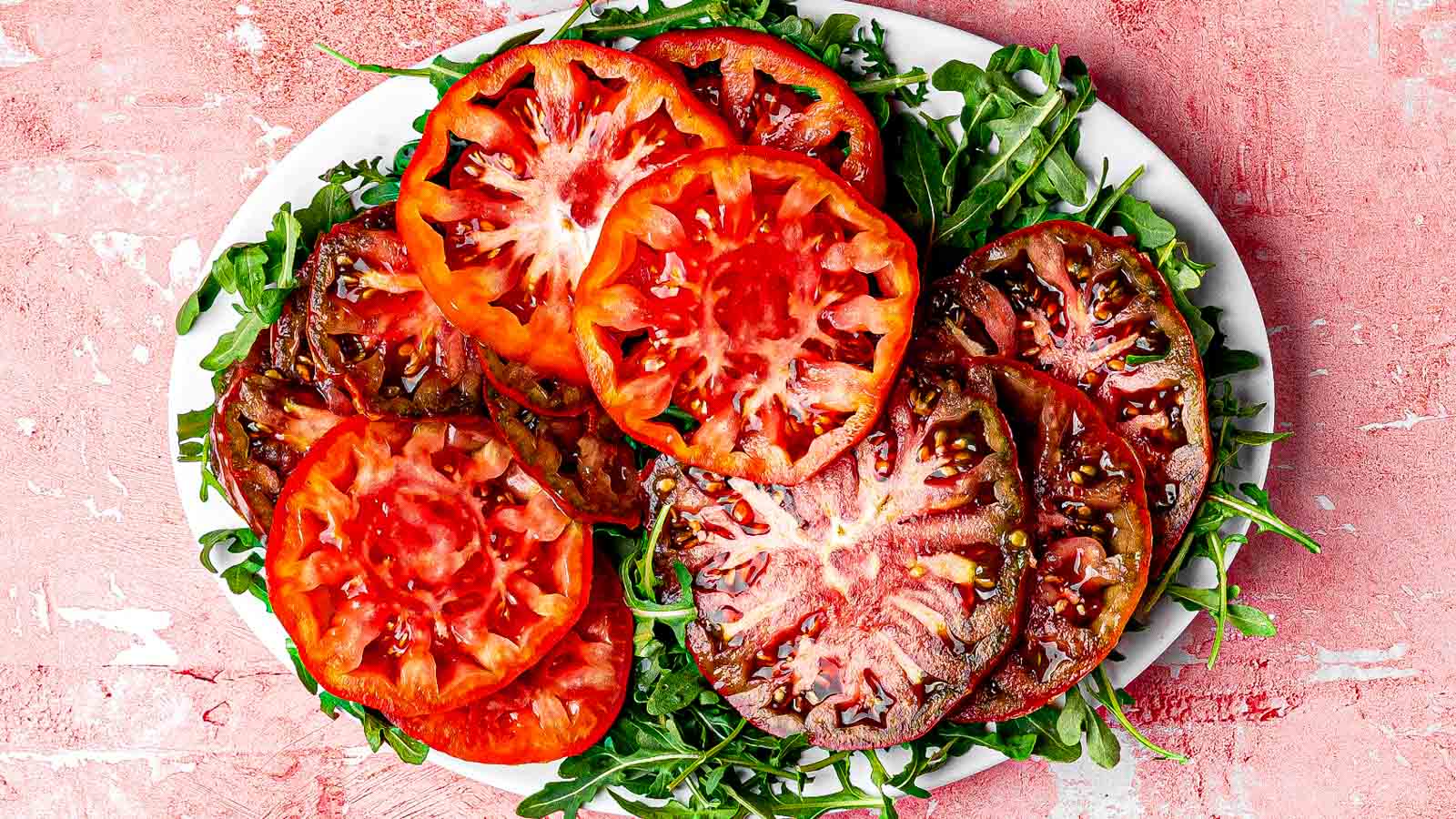
The Real Tomato Timeline
Tomatoes are warm-season fruits (yes, botanically a fruit, fight about it in the comments) that need consistent heat and sunshine to develop their signature sweetness and acidity. That means the calendar actually matters here more than with almost any other produce item.
If you live somewhere with mild winters, like parts of Florida, Texas, or California, you can stretch that window even further, sometimes getting decent field-grown tomatoes into November or extending the front end into April.
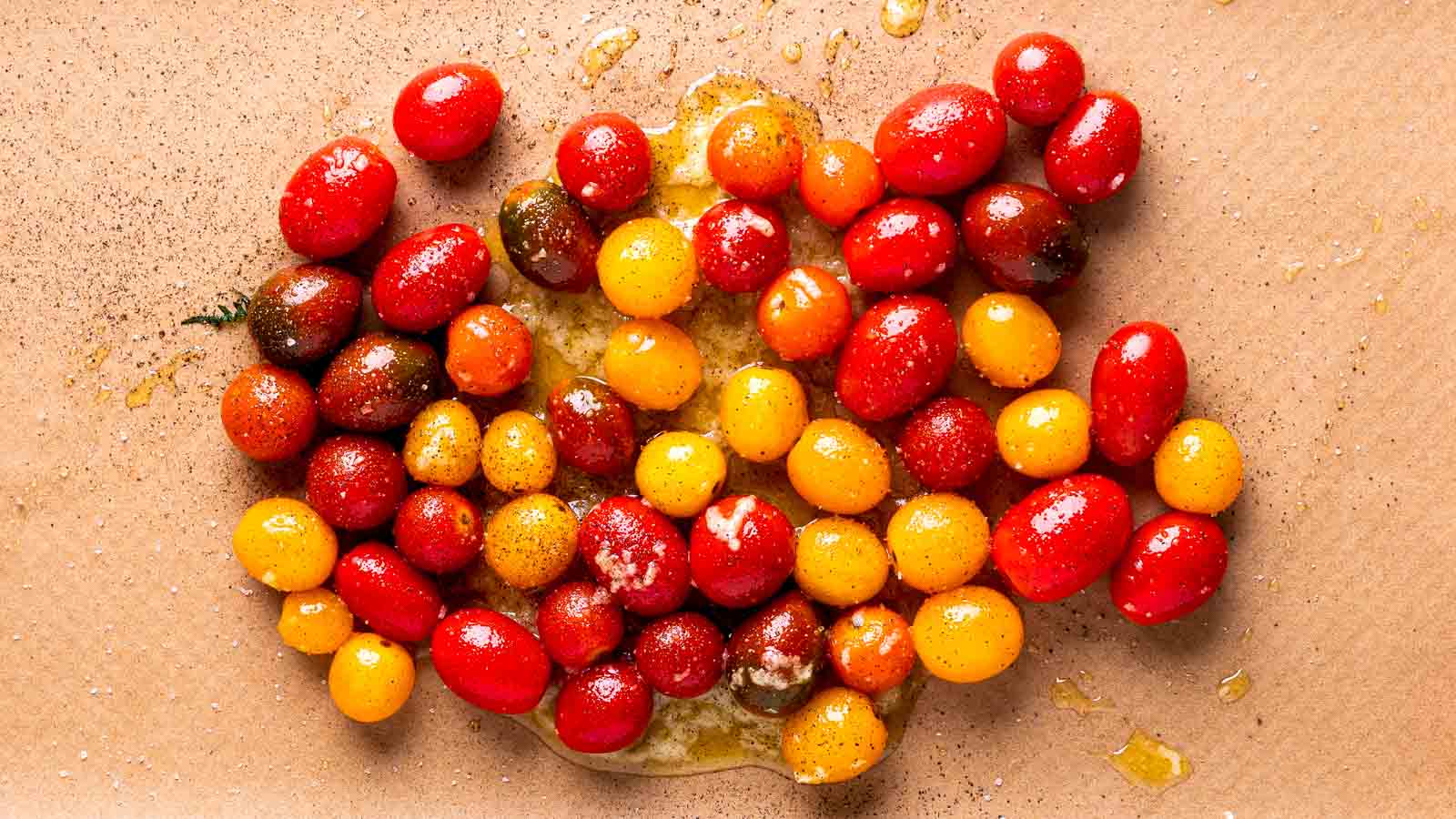
Here's how the season typically unfolds:
- May to June: Cherry and grape tomatoes lead the charge, since smaller fruits ripen faster than big ones. In warmer climates and greenhouses, they can show up even earlier. I personally cluster cherry tomatoes in pasta recipes such as Creamy Chicken Pasta With Spinach And Cherry Tomatoes.
- Late June to mid-July: Early Girl and other quick-maturing slicers start appearing at farmers markets, alongside the first heirlooms in milder regions.
- Late July through August: This is peak tomato season nationwide - beefsteaks, heirlooms, and San Marzanos all hit their stride at once, and farm stands basically turn into tomato shrines.
- September to October: The harvest keeps rolling until the first hard frost, which is why so many canning and salsa recipes cluster in early fall.

Why Store-Bought Tomatoes Taste Like Nothing
Here's the uncomfortable truth about that "vine-ripened" sticker on your grocery store tomato: it's mostly marketing. Most fruit, tomatoes very much included, gets picked before it's actually ripe so it can finish ripening in transit. That's not just about timing either - ripe produce is soft and fragile, which means it bruises and gets crushed far more easily during the long haul from farm to truck to warehouse to store shelf. Picking it hard and green is basically insurance against a truckload of mush.
So growers pick tomatoes green and firm, then finish the job with artificial ethylene gas once they arrive. Worse, many supermarket varieties are actually missing the genetic mechanism that lets tomatoes fully develop their natural sugars, which is why they can look perfect and taste like wet cardboard. Farmers market tomatoes, on the other hand, get picked at or near peak ripeness - often at that 50 to 60% "blush" stage where the fruit can safely detach from the vine and finish ripening with nearly all of its flavor potential intact. That's the difference between a tomato that tastes like sunshine and one that tastes like regret.
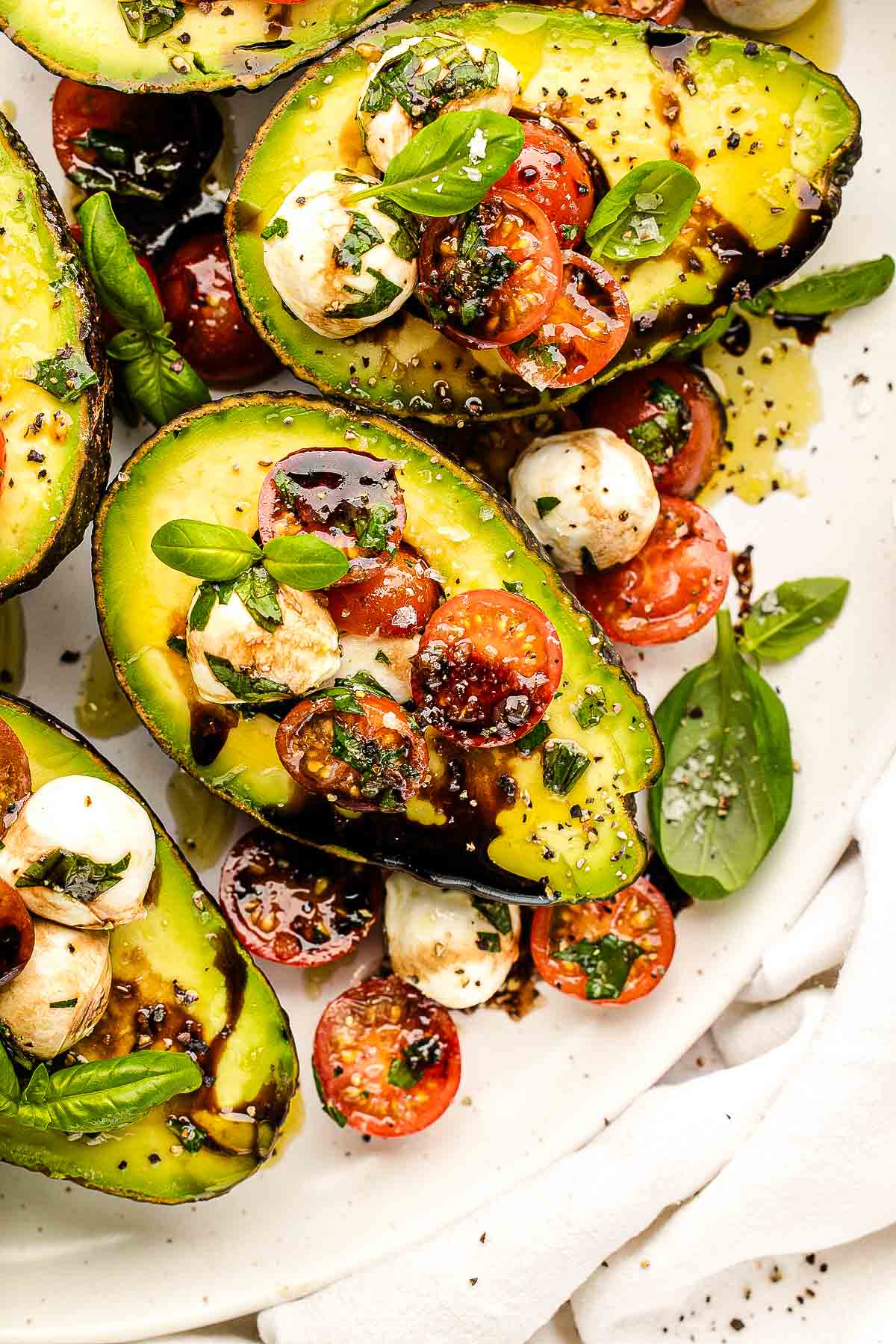
Now here's the part that breaks people's brains: the better you treat a tomato plant, the worse the tomatoes can actually taste. Tomatoes pump out sugar as a stress response, a defense mechanism that kicks in when the plant is short on water, sunlight, heat, or nutrients. Industrial tomato operations are engineered to avoid that stress entirely. Growers keep the day-to-night temperature swing tight, often around a 5-degree delta, because that's the setup that maximizes plant growth. Bigger temperature swings stress the plant and slow growth down, which is bad for yield but great for flavor. Home gardeners, without climate-controlled greenhouses, end up exposing their plants to much colder nights and rougher conditions almost by accident. That stress is exactly what spikes the sugar content and makes backyard and farm-grown tomatoes taste so much better than the climate-coddled ones grown for maximum size and shelf life. Case in point: Caprese Stuffed Avocados (Ready in 10 Minutes) taste so much better with right-off-the-vine tomatoes.
How to Actually Pick a Good One
Whether you're at a farm stand or stuck at the grocery store, a few sensory checks will save you from a bad tomato experience.
- Weight check: A good tomato should feel heavy for its size. Light tomatoes are usually hollow or underripe.
- Gentle give: It should yield just slightly to gentle pressure, not feel rock-hard or squishy.
- The sniff test: Ripe tomatoes smell sweet, earthy, and almost herbal near the stem. No smell usually means no flavor.
- Skip the blemished ones: Avoid hard pale patches near the stem or deep cracks, though a scratch-and-dent tomato is fine if you're making sauce or gazpacho that day.
- Color consistency: Uniform, vivid color beats patchy green-and-red skin, which usually signals it was ripened off the vine rather than on it. See for yourself: Vivid fresh tomatoes on Authentic Italian Bruschetta.

Heirlooms Worth Hunting Down
August is unofficially heirloom tomato season, and if you've never branched out beyond the standard red globe, this is your sign. Heirlooms are old varieties whose seeds have been saved and passed down for generations, and they tend to be far more genetically diverse and flavorful than modern hybrids bred mainly for shelf life.
| Variety | Flavor Profile | Best Use |
|---|---|---|
| Brandywine | Rich, complex, balanced | Slicing, salads |
| Cherokee Purple | Smoky, sweet | Slicing, caprese |
| Black Krim | Slightly salty, smoky | Slicing, roasting |
| Green Zebra | Zesty, tart-sweet | Salads, salsa |
| Mortgage Lifter | Mild, sweet, meaty | Sandwiches |
| San Marzano | Rich, low-moisture | Sauces, canning |
Pink and orange heirlooms tend to run sweetest, black and purple varieties bring a smoky depth, and bright reds lean more acidic and robust, so mixing colors on a plate (or Tomato Garlic Focaccia) is as much about flavor balance as visual drama.

Making the Season Last
Peak tomato season is glorious but brutally short, which is exactly why so many home cooks go into canning mode come August. If you're swimming in a tomato surplus, freezing whole tomatoes, roasting and freezing sauce, or oven-drying extras are all far easier than a full canning setup, and they let you unlock a little bottled sunshine in the middle of winter when the grocery store only offers you those sad, hard imposters again.
The bottom line: if a tomato recipe is calling your name right now in mid-August, there's no better time to answer it. This is peak season, the tomatoes are as good as they're going to get, and it will be over faster than you think.

Comments
No Comments