
I've been cooking with chipotle peppers for years, and for a long time, I treated them as a one-dimensional ingredient. A can of chipotles in adobo, a spoonful stirred into something, done. It wasn't until I started developing recipes more seriously that I realized just how much depth this one ingredient holds. Chipotle isn't just "smoky heat." It's one of the most complex, versatile, and frankly underappreciated flavors in the American pantry - and once you truly understand it, you'll reach for it constantly.

What Exactly Is a Chipotle Pepper?
A chipotle is simply a ripe jalapeño that has been smoke-dried - that's it. But that process transforms something fresh and grassy into something entirely different: leathery, deep, mahogany-dark, with a smokiness that builds slowly rather than hitting you upfront. The heat lands between 2,500 and 8,000 Scoville Heat Units, which puts it in the medium range. Warm, not punishing.
The key thing to understand is that ripeness matters. Chipotle peppers are made from red jalapeños - fully mature, with more sugar content - which is why the smokiness has a slightly sweet undercurrent. A green jalapeño dried the same way would taste completely different. That natural sweetness is part of what makes chipotle such a good pairing with honey, brown sugar, citrus, and slow-cooked meats.
Chipotle Meco vs. Chipotle Morita: Know the Difference
This is where most home cooks have a blind spot, and I think it's worth clearing up. There are two main types of chipotle peppers, and they are genuinely different ingredients.
Chipotle Meco - sometimes called the "gray" chipotle - is smoked for a significantly longer time. The result is a tan-to-brownish pepper with an intensely earthy, tobacco-like, almost nutty flavor. The smoke is assertive. Meco chipotles are common in Mexican cooking, often used whole or ground, and they're harder to find in standard grocery stores. When I use meco, I'm usually making a deeply flavored dry rub or a complex sauce that can stand up to that intensity.
Chipotle Morita is what you almost certainly have in your pantry right now in that small can. Morita chipotles are smoked for a shorter time, which preserves more of the pepper's fruity, jammy character. They're smaller, dark red to purple, and have a sweetness that makes them ideal for adobo sauces, salsas, and marinades. When a recipe calls for "chipotles in adobo," it's morita peppers you're working with.
For most of the recipes in this guide, you'll be working with morita - either canned in adobo or as a ground powder.
The Three Forms of Chipotle (And When to Use Each)
Understanding which form of chipotle to use is the difference between a recipe that tastes intentional and one that tastes muddy. Here's how I think about it:
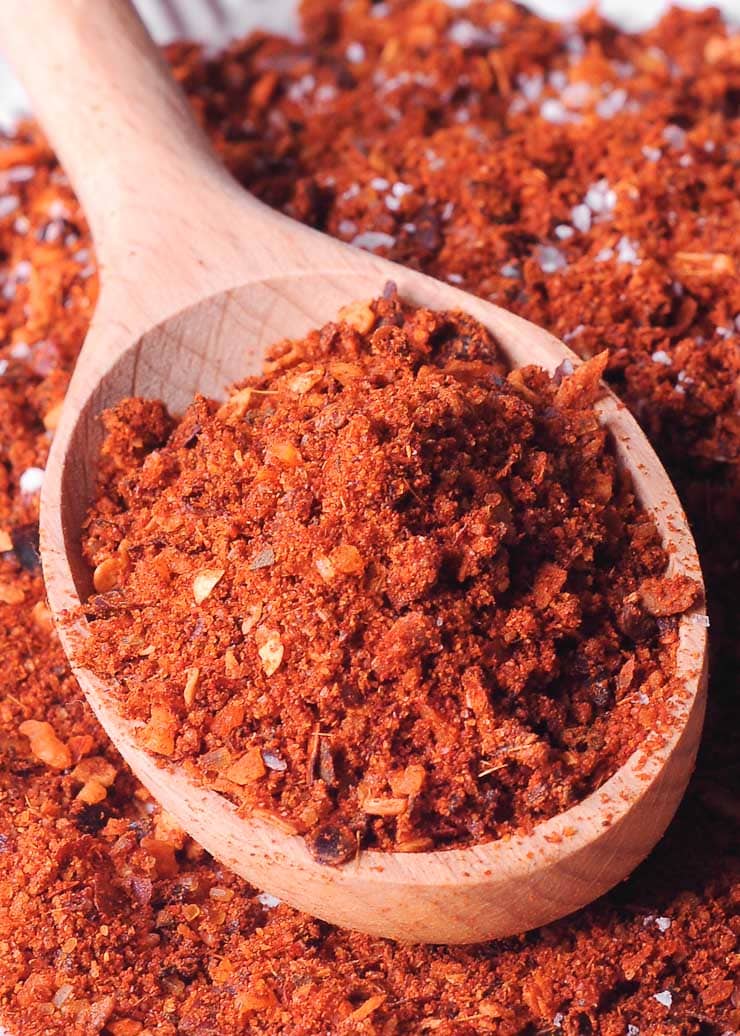
Chipotle Powder / Chipotle Seasoning
This is my go-to for dry rubs, spice blends, and any recipe where you want smoky heat distributed evenly without adding liquid. I developed my own chipotle seasoning blend that I use across dozens of recipes - it balances the smokiness with garlic, cumin, and a touch of oregano. Ground chipotle is also the most controllable form; you can add it by the pinch and build up.
Canned Chipotles in Adobo
This is the workhorse that I use extensively in meat and pasta dishes, such as Slow Cooker Chipotle Honey Chicken and Creamy Chipotle Chicken Pasta. The canned version gives you both the pepper itself - which you can chop, mince, or blend - and the adobo sauce it's packed in, which is deeply flavorful on its own. I always have at least two cans in my pantry. One thing I learned early: don't throw away the leftover sauce from the can. Freeze it in an ice cube tray, and you have ready-to-use chipotle flavor in measured portions for months.

Whole Dried Chipotle Peppers
These require a bit more technique - you'll typically toast them briefly in a dry skillet, then rehydrate in hot water before blending into a sauce. The flavor payoff is exceptional. If you're making a mole, an enchilada sauce from scratch, or a slow-cooked braise, whole dried chipotles give you a rounded depth that the powdered form can't fully replicate.
How to Store Chipotle Peppers
- Chipotle powder: Store in an airtight container away from heat and light. Properly stored, it holds its potency for about a year - though in my kitchen, it never lasts that long.
- Canned chipotles: Once opened, transfer the remaining peppers and sauce to an airtight glass jar and refrigerate for up to two weeks. For longer storage, freeze them as described above.
- Whole dried chipotles: Keep in an airtight container or zip-lock bag in a cool, dry place. They'll last several months, or up to a year in the freezer.
How to Build Flavor with Chipotle
After years of cooking with this pepper, here are the principles I keep coming back to:
- Fat carries the smokiness. Whether it's olive oil in a marinade, butter in a sauce, or the fat from slow-cooked pork, chipotle flavor blooms best when it hits fat first. If I'm making a chipotle sauce, I'll often sauté a minced chipotle in butter or oil before adding the liquid.
- Acid brightens it. A squeeze of lime, a splash of apple cider vinegar, or a spoonful of tomato - acid cuts through the smokiness and keeps the dish from tasting heavy. This is why chipotle and citrus are such a natural pairing.
- Sweet balances the heat. Honey, brown sugar, or even roasted sweet potato amplifies chipotle's natural sweetness while taming its sharpness. My slow cooker honey chipotle chicken is built entirely on this principle.
- Don't rush it. Chipotle flavor develops over time. A marinade left overnight tastes dramatically better than one applied and cooked immediately. A braise that simmers for three hours will have a depth you simply can't achieve in thirty minutes.
Chipotle Chicken Recipes
Chicken is the most natural vehicle for chipotle, and it's where I've done the most recipe development. The smokiness pairs perfectly with the mild fat of chicken thighs, and the marinade possibilities are nearly endless.
Chipotle Chicken Pasta - This is one of the most popular recipes on the site, and for good reason. The chipotle gets bloomed in the pasta sauce, creating a creamy, smoky base that clings to every strand. It's weeknight-fast and genuinely impressive.

Slow Cooker Honey Chipotle Chicken - Low and slow is where chipotle thrives. The honey tempers the heat, the slow cooker renders the chicken fall-apart tender, and the sauce reduces into something glossy and deeply flavored. I've made this recipe more times than I can count.

Pollo Asado Tacos (Achiote and Chipotle Grilled Chicken Tacos) - Inspired by the Turkish Adana kebab tradition but built around chipotle seasoning, these tacos are a study in how the pepper works across different culinary contexts. Smoky, herby, and a little charred - everything a great taco should be.

Chipotle Seafood Recipes
Seafood and chipotle is a combination I think is wildly underappreciated. The smoke doesn't overpower delicate proteins the way you might expect - instead, it creates a contrast that makes the dish more interesting.
Chipotle Salmon Tacos - The richness of salmon stands up to chipotle better than almost any other fish. I use a dry rub built on my chipotle seasoning blend, sear the fillets hot and fast, and serve them with a simple lime crema. The result is bold without being overwhelming.

Chipotle Shrimp Tacos - Easy 30 minute taco recipe with Chipotle and Paprika. Fast, vibrant, and endlessly satisfying. Shrimp cook in minutes, which means the chipotle marinade does most of the flavor work ahead of time. I always make extra because they disappear immediately.

Chipotle Sauces, Condiments & Sides
A well-developed chipotle content library needs more than just proteins. These are the supporting recipes that complete the picture - chipotle sauce, chipotle ranch, chipotle butter, chipotle black beans, and chipotle corn salsa. Each one serves as both a standalone recipe and a building block for the dishes above.
I'll be adding each of these to this guide as they're published.
The Chipotle Seasoning Blend That Started It All
Before I built any of these recipes, I developed the spice blend that ties them together. My homemade chipotle seasoning is the foundation - balanced, deeply smoky, and flexible enough to work across chicken, beef, seafood, and vegetables.
It's currently one of the most-searched recipes on this site, and it's the best place to start if chipotle is new territory for you.
Once you have that blend in your pantry, everything else in this guide becomes significantly easier.
This guide is updated regularly as new recipes are developed and tested. Bookmark it and check back.

Comments
No Comments