
There's nothing more disappointing than pulling a tray of beautiful muffins out of the oven, only to bite into one and find it dry, crumbly, or a little too dense. The good news is that dry muffins are usually caused by a few very fixable issues, like too much flour, overmixing, or baking a little too long. With a few smart adjustments, you can get the kind of soft, tender crumb you want in homemade muffins every time.
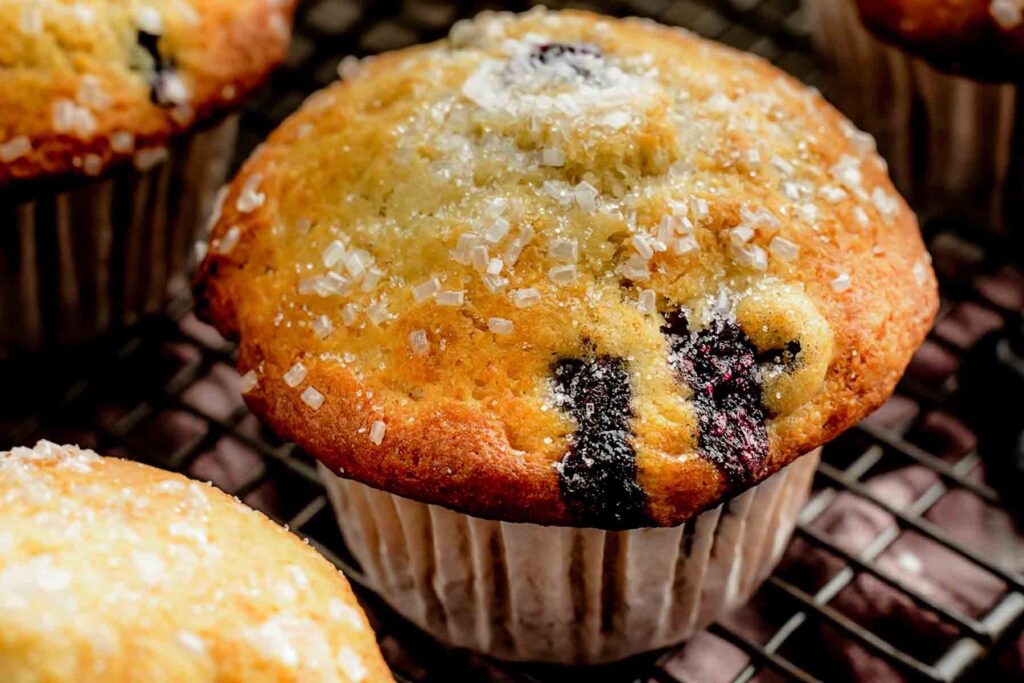
Moist muffins usually have the same things going for them: enough fat, enough sugar to hold onto moisture, and a batter that's mixed gently and baked just until done. That's exactly why recipes like these Blueberry Muffins with Tall Domes and a Crunchy Sugar Top, Pumpkin Pecan Muffins, and Banana Pecan Muffins work so well - each one uses ingredients and techniques that help create a soft, flavorful muffin instead of a dry one.

Use Enough Fat
Fat plays a key role in how soft your muffins feel, especially the next day. Butter gives great flavor, but it firms up as it cools, which can make muffins seem a bit drier after they sit. Oil stays liquid at room temperature, so muffins made with oil, or a mix of butter and oil, tend to stay softer for longer.
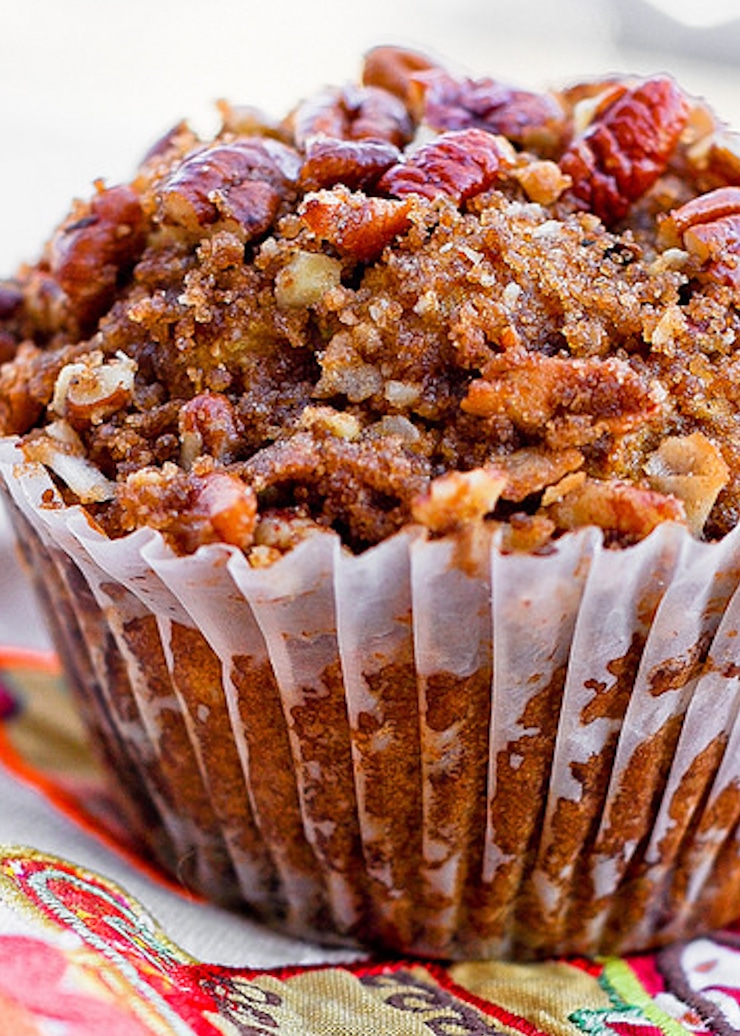
You'll notice this even more in recipes that include fruit or purées. My Pumpkin Pecan Muffins stay tender because pumpkin adds moisture directly to the batter, while Banana Pecan Muffins get their soft texture from ripe bananas. These ingredients work with the fat to keep the crumb from drying out.
If your muffins are coming out a bit dry, try replacing part of the butter with a neutral oil like vegetable or canola. Start with swapping about half - that's usually enough to improve texture without losing that buttery flavor. It's a small adjustment, but it makes a noticeable difference in how the muffins hold up over time. If you look at my Pumpkin Pecan Muffins, you can even see the moisture in the crumb and around the wrapper, which is exactly what you're aiming for.
Let Sugar Do Its Job
Sugar gets underestimated in muffin recipes because most people think of it as just a sweetener. It actually attracts and holds onto moisture in the crumb, which is why muffins with very little sugar can taste dry even when everything else was done right. I noticed this when I tried cutting sugar significantly in a test batch - the muffins came out of the oven looking fine but felt dry and a little tough by the time they cooled.
You can absolutely layer in extra flavor with spices, vanilla, or citrus zest, but keeping a reasonable amount of sugar in the batter is what keeps the texture soft after baking. If you want less sweetness, reduce it gradually rather than cutting it in half all at once. In recipes where fruit or spice is already doing a lot of flavor work - like my Bakery-Style Blueberry Muffins - you can pull back on sugar without the muffins tasting flat. And the coarse sugar on top isn't just for looks - it adds a little crunch and sweetness right where you taste it first, so the muffin can afford to be slightly less sweet inside.

Use Moisture-Rich Ingredients
Some ingredients just get muffins in a way that others don't - and once you know what they are, you'll never go back to a dry, crumbly muffin again. Thick dairy like sour cream, yogurt, and buttermilk are my go-to moisture boosters because they add richness, tenderness, and a soft crumb all in one ingredient. And then there are fruit and vegetable purées - mashed banana, pumpkin purée, applesauce - which I personally consider a cheat code for keeping muffins soft long after they come out of the oven.
Bananas are my personal favorite secret weapon, and I mean that after years of actual kitchen testing. The natural sugars in really ripe bananas - the ones with the dark, spotty peels that look like you've waited too long - attract and hold onto moisture at a molecular level. That's the real reason my Banana Pecan Muffins are still soft and tender on day three sitting on your counter.
Pumpkin does the exact same thing. I've done the side-by-side test myself: a basic vanilla muffin versus a banana muffin, both stored uncovered for 48 hours. The vanilla muffin? Dry and a little sad. The banana muffin? Still tender with that perfect crumb. The difference is genuinely striking and completely changed how I approach muffin recipes. If you don't have bananas or pumpkin on hand, even swapping half the milk for buttermilk or yogurt - a trick I use in my Bakery-Style Blueberry Muffins with Tall Domes and a Crunchy Sugar Top - gives you noticeably better texture without complicating the recipe at all.

Measure Flour Carefully
Can we talk about flour for a second? One of the easiest ways to accidentally dry out muffins is by adding too much flour. Flour is very easy to overmeasure if you scoop straight from the container, because that packs more flour into the measuring cup than the recipe likely intended. Even a little extra flour can throw off the balance and leave you with a thicker batter and a drier muffin.
The fix is almost embarrassingly simple. Fluff your flour first with a spoon, then spoon it into your measuring cup, and level it off with a straight edge. That one change alone can completely transform your results. If you have a kitchen scale, even better - weighing flour takes all the guesswork out entirely, and I genuinely wish I had started doing it sooner. When people tell me their muffins always come out dry no matter what they try, accurate flour measurement is the very first thing I have them check. Nine times out of ten, that's the culprit.

Don't Overmix the Batter
Overmixing is so easy to do without realizing it, and it took me ruining a few batches before I finally connected the dots. The moment flour hits liquid, gluten starts developing - and the more you stir, the more it builds. Too much gluten means a tougher, denser crumb, and muffins that come out chewy or dry instead of soft and tender. I used to stir until the batter was completely smooth because that's what felt right, and my muffins were consistently disappointing.
Mix your wet and dry ingredients separately, then combine them with as few strokes as possible. Stop the moment you no longer see dry streaks of flour, even if the batter looks lumpy and rough. That lumpy batter is exactly right. My Pumpkin Pecan Muffins batter looks almost shaggy going into the pan, and they bake up perfectly tender every time.

Bake Just Until Done
Even a well-mixed batter turns dry if muffins stay in the oven a few minutes too long. I learned this the hard way with an oven that ran about 25 degrees hot - I followed timing to the letter and my muffins came out dry every single time until I bought an oven thermometer and started checking early.
Set your timer a few minutes before the recipe says they're done. The tops should spring back when lightly pressed, and a toothpick in the center should come out with a few moist crumbs - not wet batter, not totally clean. If your muffins are consistently dry, check your oven temperature before changing anything else in the recipe.

Store Them the Right Way
Let muffins cool completely before storing. I once packed them up still warm and ended up with sticky, gummy tops by morning - the trapped steam does real damage to the texture. Once fully cool, place them in an airtight container lined with a paper towel and lay another paper towel on top. The paper towels absorb excess surface moisture without pulling it out of the muffins themselves.
Room temperature works well for two to three days. After that, freeze them - don't refrigerate. The fridge actually dries muffins out faster than leaving them on the counter, which catches most people off guard. Freezing keeps the texture much closer to fresh-baked.
A Simple Moist Muffin Formula
Soft, tender muffins come down to a pattern more than any single recipe. Once I started thinking about it this way, my results became much more consistent. Moist muffins almost always include enough fat, enough sugar, and at least one ingredient that actively holds moisture - yogurt, buttermilk, mashed banana, pumpkin, or applesauce. They're mixed just until combined, pulled from the oven at exactly the right moment, and stored properly once they cool.
That framework changed how I troubleshoot, too. When a batch comes out dry, I'm not guessing anymore - I look at the ingredient list and method and can usually spot the problem in about thirty seconds. Too much flour, no moisture-boosting ingredient, overmixed batter, or two extra minutes in the oven. One of those four things is almost always the answer.

Store Them the Right Way
Once baked, storing muffins properly helps protect all that moisture you worked for. Let them cool completely first, because storing warm muffins traps steam and can make the tops sticky. After they're cool, place them in an airtight container lined with a paper towel, and add another paper towel on top. This helps absorb extra moisture while keeping the muffins from drying out. Room-temperature storage in an airtight container lined with paper towels is a recommended approach for short-term freshness.
For longer storage, freezing is usually the better option. Here's exactly How to Freeze Muffins So They Taste Fresh.
More Muffin Recipes from What's in the Pan
Now that you know the secrets to perfectly moist muffins, put them to work in one of these tried-and-tested recipes:
- Bakery-Style Blueberry Muffins - tall domed tops, crunchy sugar crust, and an ultra-tender crumb that stays moist for days.
- Pumpkin Pecan Muffins with Crumble Topping - pumpkin puree is one of the best moisture-locking ingredients you can add to a batter.
- Banana Pecan Muffins - ripe bananas do double duty here: natural sweetener and built-in moisture.
- Blackberry Crumb Muffins with a Chilled Crumb Topping and Lemon Glaze
Keep Your Muffins Fresh After Baking
Baking them moist is only half the battle - storing them right keeps them that way.
- How to Store Muffins - the paper-towel method that stops condensation from turning your muffins soggy or stale.
- How to Freeze Muffins So They Taste Fresh - freeze a full batch and reheat individual muffins that taste just-baked.
- Can You Make Muffin Batter Ahead of Time? - yes, and resting the batter overnight can actually improve moisture.

Comments
No Comments