

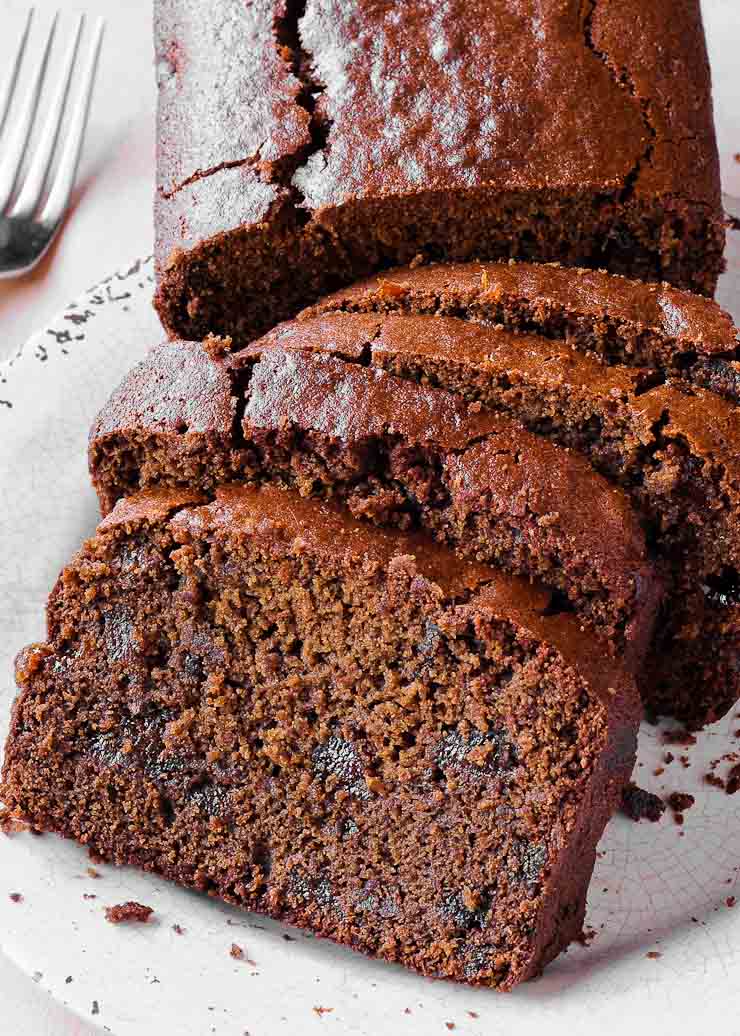
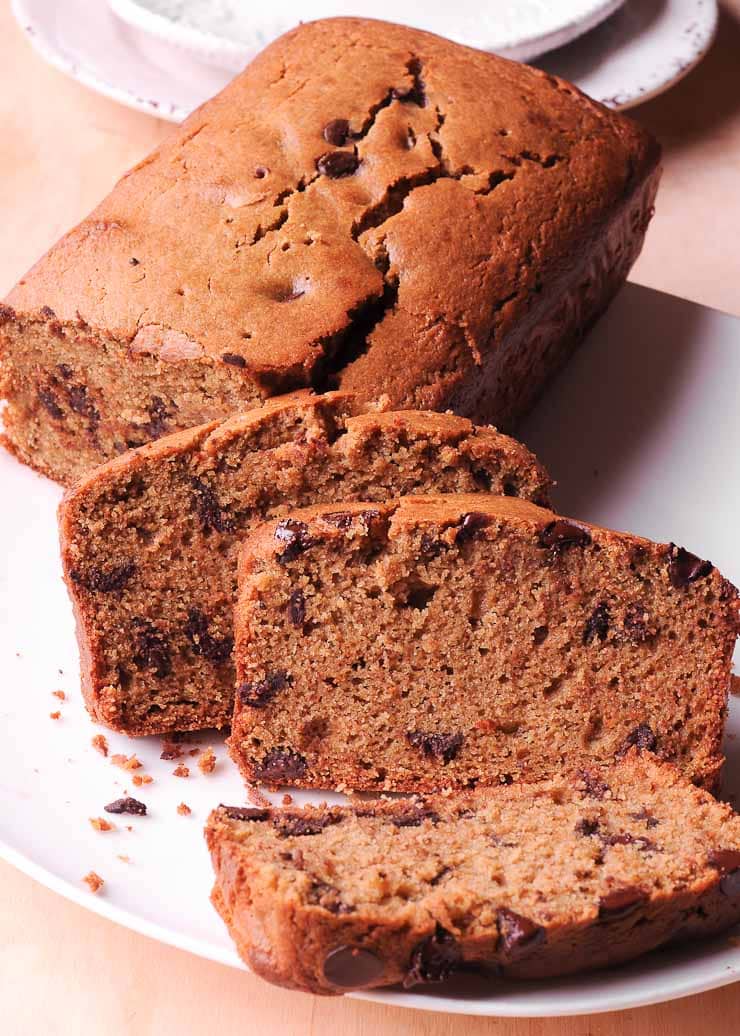
This green banana flour bread recipe turns quinoa flour, dark brown sugar, and citrus into a moist, gluten-free loaf you can bake tonight, no ripe bananas required. I kept tweaking this mix-and-bake method until the batter stayed pourable, the rise stayed even, and the loaf stayed soft for days. Resistant starch, dried apricots, and a tall crumb make it more than another banana bread copy - it's my go-to gut-friendly breakfast and snack loaf.
This green banana flour bread recipe is my go-to when I want a gluten-free banana bread without ripe bananas, resistant starch benefits, and a moist bread that holds up for days.
The very first time I saw "green banana flour" on a label, I assumed it was just another gluten-free flour blend trying too hard. Turns out it's its own thing entirely - made from unripe bananas dried and milled into a starchy, mild flour that has almost nothing in common with the mashed, overripe bananas most banana bread recipes depend on. That's actually what makes this loaf different: there's no waiting around for spotted bananas to soften on your counter, and you still get that cozy banana flavor, plus a boost of resistant starch that's genuinely good for your gut. Once I figured out the right liquid balance (green banana flour drinks up moisture like nothing else), this became one of my favorite gluten-free breads to make on a whim.
The other thing I love about this recipe is how the rise actually happens. Instead of relying on ripe bananas for sweetness and moisture, this bread gets its lift from orange and lemon juice reacting with baking soda, and its structure from a quinoa flour base that adds a subtle, nutty flavor without any weird gluten-free aftertaste. Dark brown sugar is the secret ingredient here - it's doing real work, caramelizing into moisture and holding the crumb together, so don't be tempted to swap it out. Fold in a handful of chopped dried apricots and you get natural sweetness and extra moisture without leaning on more sugar or actual bananas. It's simple, it's a little unconventional, and healthy.
Ingredients
Quinoa flour is the backbone of this loaf. I like it because it gives the bread enough structure to slice cleanly without turning into crumbs, but it stays light and a little nutty instead of heavy. The one time I swapped it for a random gluten-free blend, the crumb went cakier and the batter needed more liquid, so if you change the flour, be ready to adjust the juice by a tablespoon or two.
Green banana flourr is the whole reason this recipe exists. It doesn't behave like mashed banana at all - the first version I tried without extra liquid baked up so dry I needed tea just to swallow it. Here, the banana flour is paired with citrus and oil so it actually stays moist, carries gentle banana flavor, and adds resistant starch. If you bump it up for extra gut benefits, just add a splash more orange juice so the batter still falls off the spoon instead of clinging to it.
Dark brown sugar earns its place. When I tested white sugar here, the crumb turned sandy and the slices broke apart; the molasses in dark brown sugar is what melts into moisture and holds everything together. It also gives the loaf that caramel note you expect from great banana bread. Light brown sugar will work in a pinch, but you'll lose some of that richness and a bit of the soft texture.
Vegetable oil keeps this loaf from acting like a dry, "worthy" health bread. With butter, the texture felt heavier and the crumb dried out by day two, while neutral oil kept it soft all week. I stick to a mild vegetable or canola oil so the flavor stays in the banana and citrus lane, not in the "why does my bread taste like olive oil?" lane.
Eggs do the lifting and the holding here. Quinoa flour and green banana flour have no gluten, so without eggs my early versions baked up dense in the middle and crumbly at the edges. If you prefer egg-free, the chia seed version absolutely works, but I reduce the quinoa flour and skip the orange juice or the batter turns into paste instead of something you can pour.
Orange juice is moisture and science in one. It gives a gentle citrus note, but more importantly it reacts with the baking soda to help the bread rise. When I tried plain water instead, the loaf baked shorter and the texture felt a little flat. Any mild orange juice works here, fresh or from a carton, as long as it has enough acidity.
Lemon juice is a small but important supporting actor. That tiny splash sharpens the flavor and gives the baking soda a second boost, which is why the crumb feels lighter than most gluten-free breads. If you don't have fresh lemons, bottled juice is fine; I've used it plenty of times and the bread still rises and tastes balanced.
Baking soda is the gas pedal. It needs the orange and lemon juice to wake it up, and when you get that balance right, the loaf rises tall instead of sitting stubbornly in the pan. When I tried baking powder here, the texture went oddly spongy and the crust browned differently, so I stick with baking soda for this recipe.
Sea salt is small but makes a big difference. Without it, the banana flavor tasted dull and the sweetness felt flat. A good pinch of fine sea salt pulls everything into focus - the citrus, the banana flour, the caramel from the brown sugar. Any fine salt will do; if you only have flaky salt, crush it so it disperses properly in the batter.
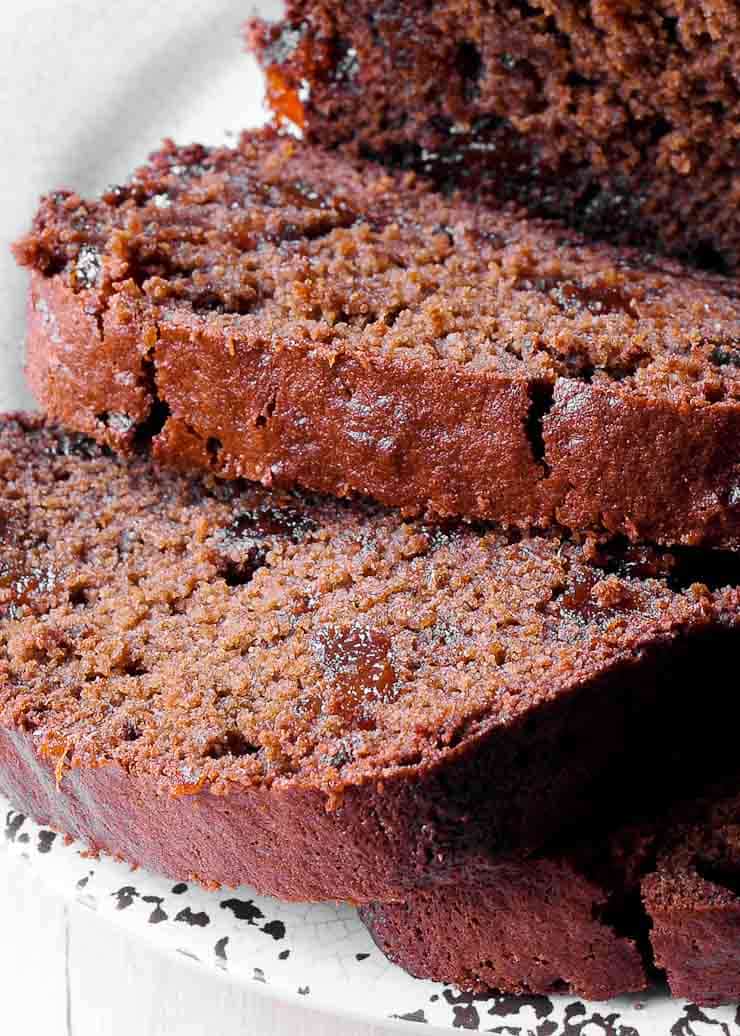
Dried apricots (optional): Chopped dried apricots are my favorite add-in here. They bring little pockets of gentle sweetness and extra moisture, which is especially helpful with thirsty green banana flour. Raisins or chopped dates work too, and if I'm in a more "banana bread as dessert" mood, I throw in walnuts or chocolate chips for crunch and richness.
How to Make Green Banana Quinoa Bread
Mixing the wet and dry ingredients
I start by grabbing my biggest mixing bowl and whisking together the eggs, vegetable oil, dark brown sugar, orange juice, and lemon juice until the mixture looks smooth and glossy. This is where the flavor and moisture begin, so I make sure there are no streaks of egg or clumps of sugar left. In a separate bowl, I combine the quinoa flour, green banana flour, baking soda, and sea salt, then stir them together so the baking soda doesn't end up in one fizzy pocket. Once both bowls are ready, I tip the dry ingredients into the wet in two or three additions, whisking gently so everything comes together without turning the batter into glue.
The batter consistency checkpoint
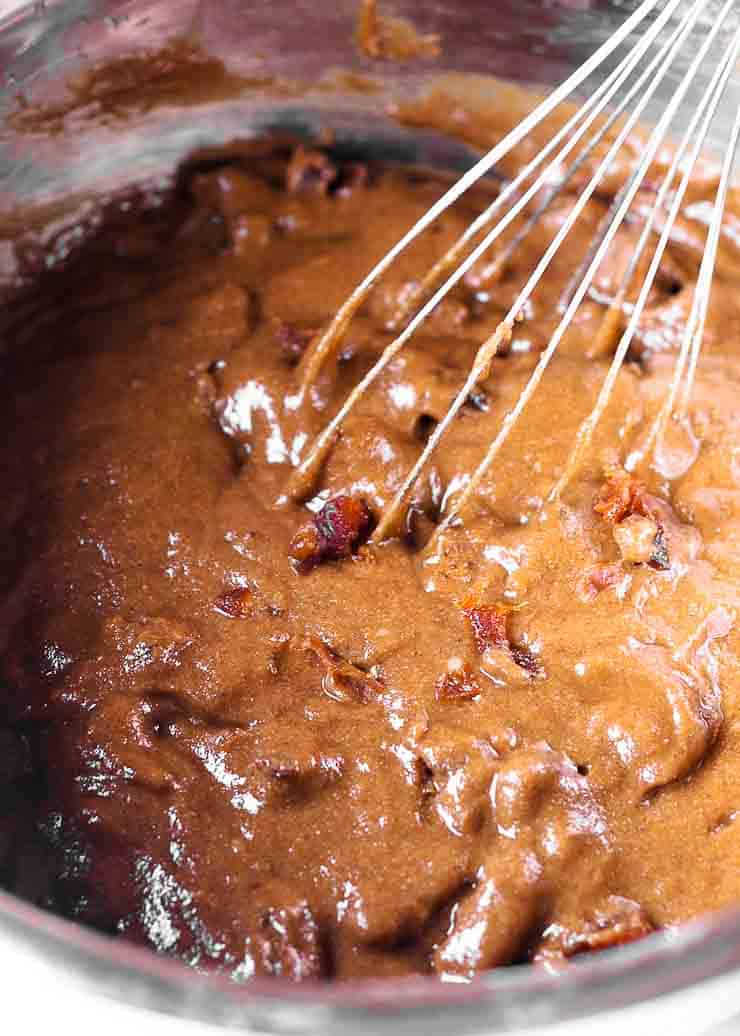
Before the batter goes anywhere near the oven, I always do a quick consistency check. With green banana flour, it's very easy to end up too thick; if the batter clings stubbornly to the spoon and needs to be pushed into the pan, it's going to bake dense. What I'm looking for is a pourable batter that slides off the spoon in a slow ribbon and settles into the loaf pan on its own. If it looks too heavy or dry, I add a tablespoon of extra orange juice or water and whisk again. Once it feels right, I fold in the chopped apricots (or whatever mix-ins I'm using) with a spatula so they're evenly scattered through the batter, not all sitting at the bottom.
Baking and cooling
I pour the batter into a greased loaf pan, smoothing the top just enough to even it out without deflating anything. The bread goes into a 350°F oven and I set a timer for 40 minutes so I can start checking early. When a toothpick inserted in the center comes out mostly clean, with just a few moist crumbs, it's done; if there's wet batter, I give it another 5-10 minutes, but I never go past about 55 minutes or the crust gets too dark. After baking, I let the loaf rest in the pan for 5 minutes so it sets up, then carefully lift it onto a wire rack. It needs to cool completely before slicing, and yes, that's the hardest part - cutting into it too soon can make even a perfectly baked loaf look gummy.

Green Banana Flour Bread with Apricots
Ingredients
- 1 cup dried apricots (5 oz.)
- ⅓ cup vegetable oil
- 2 eggs (large)
- ⅔ cup dark brown sugar
- ⅔ cup orange juice
- 1 teaspoon lemon juice (fresh)
- 1 ¼ cups quinoa flour
- ½ cup green banana flour
- 1 teaspoon baking soda
- ½ teaspoon sea salt
Instructions
- Preheat the oven to 350 F.
- Prepare 8 ⅕ x 4 ⅕ inch loaf pan and line it with parchment paper.
- Chop your dried apricots coarsely. Set aside.
- Wet ingredients: In a large bowl, beat together oil, eggs, dark brown sugar, orange juice, lemon juice. Set aside.
- Dry ingredients: Add quinoa and green banana flours, baking soda and sea salt together in a bowl. Mix.
- Add dry ingredients to the bowl with the wet ingredients and mix well. Add apricots and mix into the batter.
- Spoon the mixture into the prepared pan and bake for 40-50 minutes, or until a toothpick inserted in the middle of the cake comes out clean.
- Let cool in the pan for 5 minutes before turning out onto a wire rack to cool completely.
Pro Tips for a Moist, Structured Loaf
Green banana flour likes to drink up liquid, so don't be shy about checking the batter and adding a spoonful of extra orange juice or water if it looks thick and heavy. Quinoa flour and green banana flour together need a bit of help to hold their shape, which is why I rely on dark brown sugar and eggs for structure; skipping or reducing either tends to give you a crumbly, less cohesive loaf. I also avoid overmixing once the dry ingredients are in - a few gentle turns with the whisk or spatula is enough, and it keeps the crumb tender instead of tough. In the oven, start checking at the 40-minute mark and trust what you see on the toothpick more than the clock. And finally, if you want extra moisture insurance and a little sweetness, the dried apricots do a great job of keeping the loaf soft for days without adding more sugar or actual bananas.
Troubleshooting Common Issues
Dense bread
If your loaf comes out dense, it usually means one of three things happened: the batter was too thick, the flour was packed into the measuring cup, or the batter was overmixed. Green banana flour is especially good at turning a "bit thick" into "solid brick," so I always fluff the flours before scooping and level them off with a knife. The batter should slide off the spoon, not plop like cookie dough; if it looks heavy, add a splash of orange juice or water and whisk just until it loosens up. Next time, be gentle with the mixing once the dry ingredients go in and avoid the electric mixer here - a whisk or spatula is more than enough.
Bread not rising
A flat loaf is almost always a baking soda problem. Baking soda needs acid to wake up, which is why the orange juice and lemon juice are doing more than just adding flavor. If your bread didn't rise, check that your baking soda is fresh (a tired box does very little) and that you didn't skip or drastically reduce the citrus. Also make sure your oven is fully preheated to 350°F; putting the batter into a cool or lukewarm oven will give you a slow rise and a heavier texture.
Dry bread
Dry bread can happen if the batter starts too thick, if the loaf stays in the oven a bit too long, or if the sugar or oil is cut back too much. Dark brown sugar and oil are both pulling their weight here - they help create that soft crumb that stays moist for days. If your loaf turned out dry, try baking it just until the toothpick shows a few moist crumbs instead of waiting for it to come out completely clean. Adding dried apricots or another moist mix-in also helps keep the texture softer, especially by day two or three.
Variations
Egg-free / chia seed version
For an egg-free loaf, I swap the eggs for soaked chia seeds. I mix chia seeds with water and let them thicken into a gel, then stir that into the wet ingredients in place of the eggs. Because chia adds a lot of thickness, I reduce the quinoa flour and skip the orange juice in that version, keeping the batter at that same pourable stage instead of letting it set up like paste. The result is a loaf that holds together nicely without eggs, still stays moist, and works well for anyone avoiding them.
- Chia seed/water ratio: ⅓ cup chia seeds + 1 cup water.
- Flour ratio: I then reduced quinoa flour about from 1.5 cups to 1 cup and did not use orange juice.
Higher resistant-starch version
If you're baking mainly for gut benefits and want more resistant starch, you can increase the green banana flour. When I do this, I nudge the amount up and match it with a little extra liquid so the batter doesn't go dry. A touch more orange juice or water usually does the trick. The crumb will feel a bit more substantial, but as long as you keep the batter loose enough to pour, it still bakes up moist.
Chocolate chip and mix-in options
This bread is wonderful with add-ins. For a more dessert-style loaf, I stir in chocolate chips and sometimes a handful of chopped walnuts for crunch. Raisins, figs, or dates bring extra sweetness; seeds bring a bit of texture without making it feel heavy. Whatever you choose, fold them in gently at the end so they're evenly distributed and don't all sink to the bottom of the pan.
Storage Instructions
Once the loaf is completely cool, I slice it and store the slices in an airtight container. At room temperature, it keeps well for about three days; after that, I move it to the fridge for up to a week. For longer storage, I freeze slices with parchment between them so they don't stick together - they thaw quickly on the counter or can go straight into a toaster oven. The texture holds up beautifully, which makes this a great make-ahead breakfast or snack bread.
Storage
Store the bread in an airtight container at room temperature for up to 3 days or refrigerate for up to a week. Slice and freeze for longer storage.
More Gluten-Free Quinoa Bread Recipes
If you're in a "gluten-free bread" mood and this green banana flour loaf hits the spot, I have a few more recipes you might like to bake next. When I want something a little heartier and seed-forward, I go for my Quinoa Bread with Sunflower and Pumpkin Seeds - it's the one I slice thick and pile with avocado or hummus for lunch.
On days when I'm craving more texture, the Red Quinoa and Chia Bread is my go-to: lots of seeds, a bit of crunch, and it toasts beautifully. And if you're firmly in the "bread should feel like dessert" camp, the Chocolate Chip Quinoa Loaf is the one I reach for - soft crumb, melty chocolate, still gluten-free but absolutely snack-worthy.
Anna says
Delicious!
Em says
What can I use as a substitute for the quinoa flour?
Olya says
You can use almond flour
Bruce Zayne says
Is there a particular reason you didn’t include overripe bananas. I understand the green banana flour is a resistant start but cooking it may remove some benefit so why not add some for added moisture & taste. Also why use vegetable oil over butter?
Olya says
Overripe bananas are overused in recipes. They would also oversoak the bread in this particular recipe. Butter can definitely be used instead of oil. I usually use olive oil for health benefits.
Lee says
what’s the difference between banana flour and green banana flour?
Olya says
They are the same, Lee - both made from unripe bananas.
Liz says
Isn’t green banana flour supposed to be kept under 140 degrees for the resistant starch to remain?
Olya says
Yes, cooking changes the molecules of course. The starch will become highly digestible and lose its resistance.
Pooja says
Can we only use the banana flour instead of adding quinoa flour...Will it make it more dense?
Olya says
I think it will be too moist and too dense.
RS SR says
What's a substitute for orange juice?
Olya says
I used peach juice instead as well as a mix of juices called C-Boost (not sure if you have it in your stores) - but basically anything that looks orange or yellow in color and is a juice -I used it all!