
Pork loin has a terrible PR problem: we buy it because it's affordable and lean, then swear it off after one dry, forgettable dinner. If we stop guessing and treat it like a cut that deserves a plan: exact temperature, smart use of the fat cap, and a rest it actually respects. In the next few minutes, I'll walk you through the same blueprint I use in my own kitchen so your next pork loin comes out juicy on purpose, not by accident.
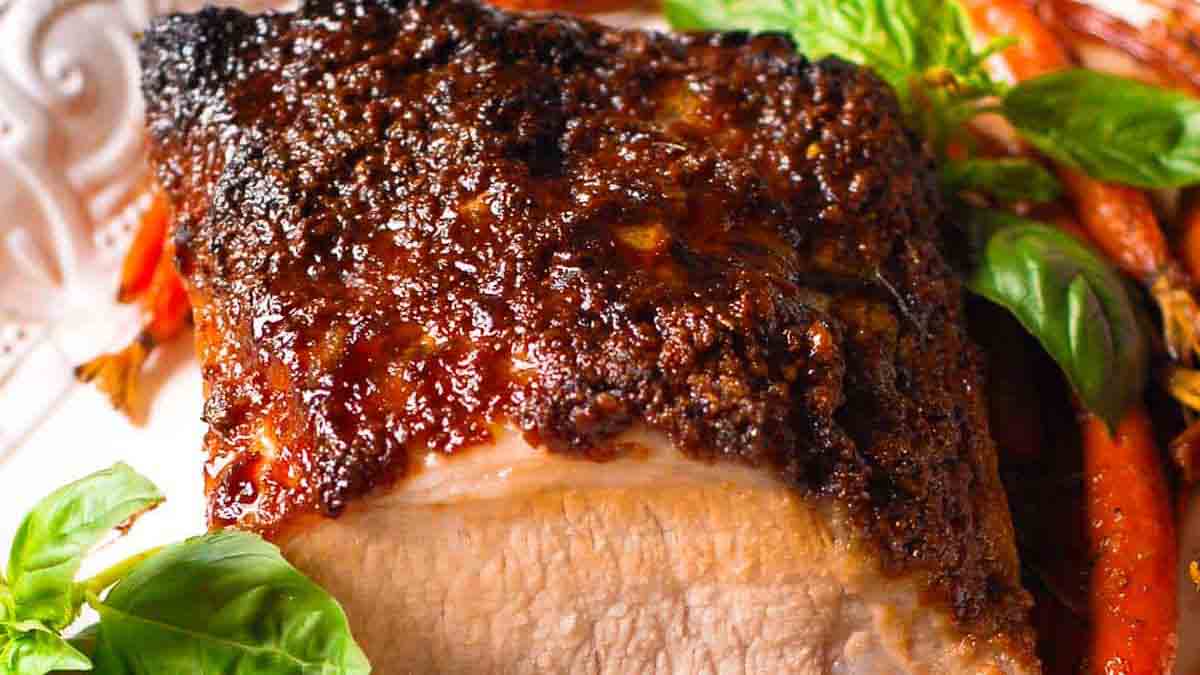
Most people only cook pork loin once or twice a year - and usually walk away thinking, "Well… that was a little dry." I did too, until I started treating it more like a steak and less like a mystery hunk of meat.
The truth is, pork loin is one of the most forgiving, affordable, and genuinely impressive cuts you can put on a weeknight dinner table. It slices beautifully, feeds a crowd without much effort, and takes on flavor like a dream. The problem isn't the meat - it's a couple of outdated habits that quietly ruin it every time.
Exact temperature, timing, and small prep moves are the secret that turn that supermarket pork loin into juicy, sliceable, actually-worth-making-again dinner. No brining tubs, no complicated gear - just a clear path from plastic wrap to perfect roast.
What Pork Loin Is (and Why It's Not the Same as Tenderloin)
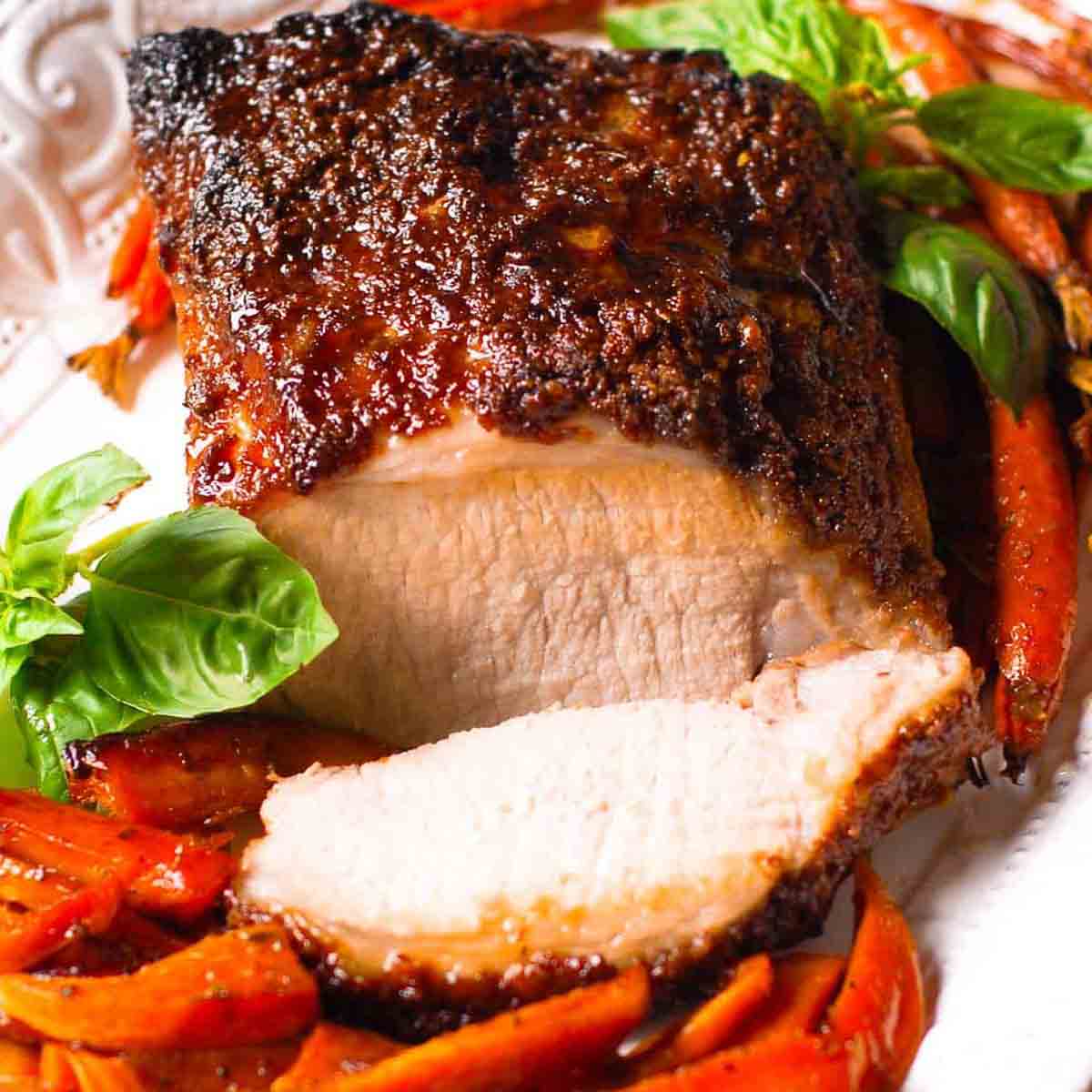
Pork loin is the large, lean roast that usually comes as a long rectangular or cylindrical piece with a fat cap on one side. It's cut from the back of the pig, typically weighs between 2 and 5 pounds, and is designed for oven roasting. It's the cut you see piled up in the supermarket, often on sale, and criminally underappreciated.
Pork tenderloin is something else entirely. It's much smaller - usually under a pound - much thinner, and cooks in a fraction of the time. Using pork tenderloin instructions on a pork loin roast (or vice versa) is one of the fastest ways to end up with dry, chewy, disappointing meat.
Because pork loin is naturally lean, it has very little internal fat to protect it from heat. That means if you blast it to well-done or forget to rest it after cooking, all those juices rush out onto your cutting board instead of staying where they belong - in the meat. That's exactly why this method leans on three things: reasonable oven heat, a built-in fat baste, and a strict internal temperature target. Get those three right and you genuinely cannot mess this up.
Quick note: Pork tenderloin is a completely different cut - much smaller, thinner, and much faster‑cooking than pork loin. If you're not sure which one you grabbed, my Pork Loin vs Pork Tenderloin: They're Not the Same Cut guide walks you through how to tell them apart and which one to use for which recipe.
The Temperature That Changes Everything
Here's the single most important fact in this entire article: you do not need to cook pork loin to 160°F or higher.
That old guidance - held over from decades of food safety messaging - is the main reason so many home cooks think they "just don't like" pork loin. Cooked to 160°F, pork loin is firm, pale, and dry. Current USDA guidelines allow whole pork cuts to be safely enjoyed at 145°F with a proper rest period, and that makes an enormous difference in the texture and juiciness of the finished roast.
At 145-150°F internal temperature, pork loin slices are tender, slightly pink in the very center, juicy, and deeply flavorful. If you prefer less pink, aim for 150-155°F. If you're cooking for someone who wants well-done, 160°F is fine - just know that the meat will be drier, and that's expected, not a failure on your part.
The most important thing you can do is buy an instant-read thermometer and use it. Insert it into the thickest part of the roast, avoiding the center if there's a bone. Pull the roast from the oven at your target temperature, because carryover cooking during the rest period will raise it a few more degrees on its own.
What temperature should pork loin be cooked to?
For juicy, tender slices, pull pork loin from the oven when the thickest part reaches 145-150°F, then let it rest 10-15 minutes before slicing.
Want a foolproof, juicy roast? Try my Brown Sugar Dijon Glazed Roasted Pork Loin in the oven‑temp section.
How Long to Cook Pork Loin (By Weight and Oven Temperature)
Oven temperature and roast weight both affect your total cooking time, but the thermometer is still your most reliable guide. Use this as a starting point, not a hard rule.
At 350°F (conventional oven):
- 2 lb pork loin: approximately 40-50 minutes
- 3 lb pork loin: approximately 60-75 minutes
- 4 lb pork loin: approximately 80-100 minutes
- 5 lb pork loin: approximately 100-120 minutes
At 375°F:
- Roughly 20-22 minutes per pound
Two-stage method (recommended): Start at 400°F for 10-15 minutes to build a crust, then drop to 350°F for the remainder. This gives you a better exterior without drying out the inside.
Always start checking the temperature about 10-15 minutes before your estimated finish time. Ovens vary, and a slightly smaller or thicker roast can cook faster or slower than the chart suggests.
The 5 Things That Actually Make Pork Loin Juicy
Instead of a long list of dos and don'ts, I want to focus on five moves that matter more than anything else - more than what seasoning you use, more than what pan you pick, more than whether you add broth to the bottom of the pan.
1. Start with dry, room-temperature meat
Take your pork loin out of the refrigerator about 20-30 minutes before you plan to cook it and let it sit on the counter while your oven preheats. This takes the chill off the center so the roast cooks more evenly from edge to edge.
While it's sitting out, pat it thoroughly dry with paper towels. This is not optional. Wet meat doesn't brown - it steams. And a cold, wet roast will overcook on the outside while the center is still trying to catch up. Two minutes with paper towels is one of the highest-return prep steps you can take.
2. Season with a simple dry rub (not just salt and pepper)
A dry rub accomplishes two things: it flavors the meat and it helps form a lightly crisped, gorgeous crust as it roasts. You don't need a complicated blend. A solid all-purpose pork loin rub is:
- 1 teaspoon kosher salt
- ½ teaspoon black pepper
- 1 teaspoon garlic powder
- ½ teaspoon onion powder
- 1 teaspoon smoked or sweet paprika
- ½ teaspoon brown sugar (optional, but it encourages browning)
Mix that together, rub it all over the surface of the pork loin - including the ends - and press it in gently so it adheres. If you have time to do this an hour ahead and leave it uncovered in the fridge, even better; the surface dries out a bit more and you get an even better crust. But even a quick rub right before it goes in the oven is worthwhile.
3. Always roast fat side up
This is non-negotiable. The fat cap on top of your pork loin is there to do a job: as it slowly renders in the oven heat, it bastes the meat underneath it, adding moisture and flavor from the top down throughout the entire cook.
Roasting fat side down just glues the fat cap to the pan and does absolutely nothing for the meat. You lose the self-basting benefit and the fat doesn't render cleanly.
If your pork loin has a very thin fat cap or almost none at all, drizzle the top lightly with olive oil or rub on a thin layer of softened butter before it goes in the oven. It replicates the same effect.
4. Use a two-stage oven temperature
Start your oven at 400°F and roast the pork loin for 10-15 minutes. You'll start to see the surface browning and tightening up - that's the Maillard reaction doing its thing, developing flavor on the outside of the roast.
Then, without opening the oven door, drop the temperature to 350°F and continue roasting until the internal temperature hits your target. The high start builds flavor and crust; the moderate finish lets the interior cook through gently without squeezing out all the moisture.
You get a beautiful exterior and a juicy interior. It's the same principle as reverse-searing a steak, just applied to a larger cut.
5. Rest the meat before you slice it
I know it's hard to wait when your kitchen smells incredible. But if you slice into a pork loin the moment it comes out of the oven, the juices that have been pushed toward the center by the heat will immediately flood out onto your cutting board. The meat will taste drier, because it literally is drier - you just drained it.
Rest the roast for 10-15 minutes, loosely tented with foil. That time allows the juices to redistribute back throughout the meat. When you slice it, your board stays relatively clean and the slices are moist and tender all the way through.
This step costs you nothing. Don't skip it.
My Go-To Oven Method for Pork Loin, Step by Step
Here's exactly what I do on a regular weeknight - not recipe-testing, just making dinner.
What you need:
- 2-4 lb boneless pork loin roast
- Dry rub (recipe above, or your own blend)
- Olive oil or cooking spray
- Instant-read thermometer
- Roasting pan, cast iron skillet, or oven-safe baking dish
Steps:
- Remove the pork loin from the refrigerator 20-30 minutes before cooking. Preheat your oven to 400°F. Lightly oil your roasting pan or skillet.
- Pat the pork loin completely dry with paper towels. Trim any loose bits of fat or silverskin from the sides, but leave the main fat cap intact on top.
- Coat the pork loin all over - top, bottom, and both ends - with your dry rub, pressing it in gently so it sticks.
- Place the pork loin in the pan fat-side-up. If you want to roast vegetables in the same pan, scatter them in a single layer around the roast. (Carrots, sweet potatoes, apples, and halved Brussels sprouts all work beautifully here.)
- Roast at 400°F for 10-15 minutes, until the surface starts to brown. Then reduce the oven to 350°F - without opening the door - and continue roasting until the thickest part of the roast reaches 145-150°F on an instant-read thermometer. For a 3 lb roast, this typically takes 60-75 minutes total.
- Transfer the pork loin to a cutting board. Tent loosely with foil and rest for 10-15 minutes. If you roasted vegetables, stir them in the pan drippings while the meat rests.
- Slice against the grain into ½-inch slices and serve immediately.
On busy weeknights, I'll whisk a quick pan sauce from the drippings - a splash of chicken broth, a spoon of Dijon, maybe a bit of cream - and it turns this simple roast into something that feels like a proper Sunday dinner, in 90 minutes flat.
3 Easy Flavor Spins on the Same Method
Once you have this method down, you don't need a new recipe every time - you just need a new personality for the same cut of meat. The core technique stays exactly the same; only the seasoning changes.
Garlic-Herb Pork Loin
Swap out the paprika and brown sugar in the rub for dried rosemary, thyme, dried sage, and an extra hit of garlic powder. Add a squeeze of lemon over the top before roasting. Pairs beautifully with roasted potatoes and green beans, and feels like something straight out of a French countryside kitchen.
Smoky BBQ Pork Loin
Add smoked paprika, cumin, a pinch of chili powder, and a touch of cayenne to the rub. Brush on a thin layer of your favorite BBQ sauce during the last 15 minutes of roasting for a caramelized, lightly smoky crust. Serve with coleslaw and cornbread for a crowd.
Sweet-Savory Glazed Pork Loin
This is my personal favorite. Use the basic dry rub, then during the last 15-20 minutes of roasting, brush on a glaze made from brown sugar, Dijon mustard, and a splash of apple cider vinegar. The glaze caramelizes into a glossy, sweet-tangy crust that makes the roast look like it belongs on a restaurant menu.
If that last one sounds like exactly what you're after, my Brown Sugar Dijon Glazed Pork Loin walks you through the full sweet-savory pan dinner - with carrots and apples roasted right alongside the meat and a glaze that clings to every slice. It's one of the most popular recipes on this site for good reason.
Other Ways to Cook Pork Loin (When You Don't Want to Turn on the Oven)
The oven is my default, but the same cut works across several other methods - each with a slightly different result in terms of texture and effort.
Slow Cooker Pork Loin: Low and slow turns pork loin into fall-apart, shred-able comfort food. It won't slice cleanly the way an oven-roasted loin does, but it's incredibly moist and practically hands-off. Great for meal prep and tacos.
Instant Pot Pork Loin: Pressure cooking a pork loin takes about 15 minutes of actual cook time (plus pressurize and release time). The result is tender and juicy, with more of a braised texture than a roasted one. Best when you want it fast and don't care about a crust.
Air Fryer Pork Loin: Smaller loins (under 2 lbs) do surprisingly well in the air fryer at 360-375°F. The circulating heat creates a good crust quickly, and because the cook time is shorter, it's easier to hit the right internal temperature without overshooting.
Grilled Pork Loin: For warmer months, a pork loin roast on a two-zone grill (indirect heat to cook through, direct heat at the end for the crust) is one of the best things you can put on a grill. The smoke adds another layer of flavor that you just can't replicate indoors.
Quick Answers to Common Pork Loin Questions
Why does my pork loin always turn out dry?
Almost always one of three things: cooking it past 160°F internal temperature, skipping the rest period after it comes out of the oven, or roasting with the fat cap facing down instead of up. Fix those three things and you'll have a completely different result.
Should I cover pork loin while it's roasting?
For a proper crust, roast it uncovered. If the top is browning too aggressively before the center is done, tent it loosely with foil for the last portion of cooking. A good two-stage temperature method (high start, lower finish) usually eliminates this problem.
Can pork loin be a little pink inside?
Yes, absolutely. Pork loin cooked to 145°F with a proper rest will often show a faint blush of pink in the very center - that's not undercooked meat, that's correctly cooked meat. The USDA updated its guidelines on this specifically.
Do I have to sear pork loin in a skillet before roasting?
You don't have to. A high-heat start in the oven (the 400°F first stage) creates a solid crust without the extra pan and stovetop cleanup. That said, if you want deeper, more caramelized browning on all four sides, a quick sear in a hot cast iron before it goes in the oven does give you a better result - it's just optional, not mandatory.
What's the best size pork loin to buy?
For a family of 4-6, a 3-pound boneless pork loin is the sweet spot. It's manageable in a standard roasting pan, cooks in a reasonable amount of time, and gives you good leftover potential. Anything over 5 pounds is better suited for a slow roast at a lower temperature.
Gaylene says
Never posted on a recipe but this was delicious and will make this again
Olya Shepard says
Thank you Gaylene - I'm so gad you liked this!
Frosty says
Very tender. But I’m scralomthe rub off. It’s the paprika. It would do a lot better with sweet flavors or bourbon or something.
Olya Shepard says
You scrumbled the rub off?! Well, I do like the suggestion of bourbon! Will have to experiment with that.
Pra Gwendolyn says
Can a tenderloin be cooked on a roaster ??
Olya Shepard says
Yes!! You can slow-cook it in a roaster at 300–325°F for about 45–60 minutes per pound, until it reaches an internal temperature of 145°F (with some recipes going up to 190°F for a more fall-apart texture).
Jackie says
Keeping the fat cap is the trick to juicy tenderloin.