
Big, bright lemon flavor does not come from dumping in more juice and hoping for the best. It comes from understanding where lemon's flavor actually lives, how acid behaves in batters and fillings, and how to balance sharpness with enough sweetness and fat. The result is a lemon dessert that tastes fresh, bold, and intentional instead of merely sour.
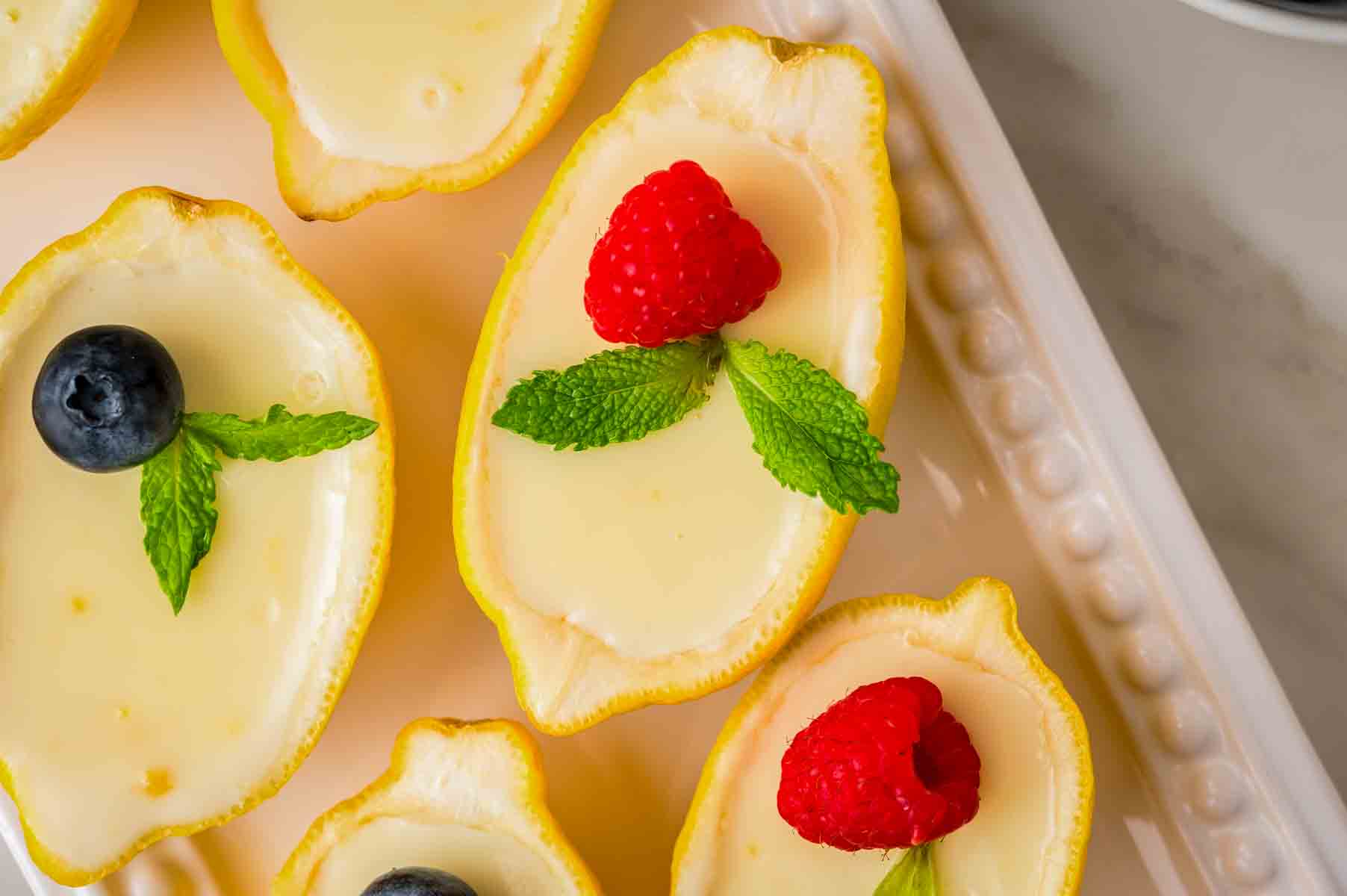
If you ask me, lemon makes everything better. It's one of those
ingredients that instantly brightens a recipe-not just the flavor, but
the whole mood of it. A simple bar, a soft cupcake, a creamy no-bake
pie-add lemon and suddenly it feels fresh, cheerful, and a little bit
special.
I've been baking with lemon for years, and I always come back to it because it's so versatile and so reliably delicious. It pairs beautifully with
berries like raspberries and blueberries, plays well with cream cheese
and ricotta, and works in everything from a quick weeknight dessert to a
showstopper layer cake for a birthday or brunch table.
In this guide, I'm sharing everything I know about baking with lemon-how
to get strong, bright citrus flavor without bitterness, which types of
desserts lemon works best in, and the small tips that make a real
difference.
You'll also find links to all of my favorite lemon recipes, from the ridiculously easy 2-Ingredient Lemon Bars and creamy No-Bake Lemon Pudding Cream Pie to the beautiful Lemon Blueberry Layer Cake and tangy Lemon Curd Cake. Whether you're just getting comfortable in the kitchen or you bake every weekend, there's a lemon recipe here for you.Let's get into it.

Start With the Peel
Most of the flavor people associate with a truly lemony dessert comes from the aromatic oils in the peel, not from the juice alone. Juice brings acidity and brightness, but zest brings the fragrance and depth that make a dessert smell lemony before it even reaches the table.
That is why the first fix for a flat-tasting lemon dessert is usually not "add more juice." It is "add more zest." Zest boosts flavor without adding extra liquid, which means it can strengthen a lemon cake, cupcake, bar, or pancake batter without making it thinner or risking structural problems.
For cakes like Easy Lemon Curd Cake and Moist Lemon Blueberry Layer Cake, zest gives the crumb a round, fragrant lemon backbone, while juice adds the tart edge that keeps the flavor lively. In Lemon Raspberry Cupcakes, zest in the cake base and a tart filling such as lemon curd create a stronger, more layered citrus profile than juice alone ever could.
Rub the Zest Into the Sugar
One of the simplest ways to get more lemon impact is to rub the zest directly into the sugar before mixing the batter or filling. This breaks open the zest and releases its oils, coating the sugar so the flavor is distributed more evenly throughout the dessert.
It is a small step, but it works especially well in cakes, cupcakes, and pancakes. For Lemon Ricotta Pancakes with Blueberries, rubbing zest into the sugar helps carry lemon flavor through the whole batter instead of leaving it trapped in visible flecks. The same trick gives Raspberry Swirl Lemon Bars and 2-Ingredient Lemon Bars a more pronounced citrus aroma before a single bite is taken.
Balance Sharpness With Sweetness and Fat
Strong lemon flavor is not just about high acidity. If a dessert is too lean or not sweet enough, lemon can taste harsh instead of bright. Sugar and fat round out the edges of acidity, which is why the best lemon desserts usually combine tartness with butter, cream, ricotta, eggs, or whipped topping.
That balance is easy to see across different styles of lemon desserts. Easy No-Bake Lemon Pudding Cream Pie works because creamy elements soften the lemon and keep it from tasting aggressive. Lemon Ricotta Pancakes with Blueberries use ricotta to add richness, so the citrus reads as fresh and delicate rather than sharp. In a richer bake like Easy Lemon Curd Cake, butter and eggs give the curd and cake enough body to support a bolder lemon note.
If a lemon dessert tastes shrill, the answer is often not less lemon. It is a better balance of lemon, sweetness, and richness.
You can't safely copy paragraphs straight from that Reddit thread, but you can fold the best tips into original, on-brand explanations. Here's an updated section you can plug into your "How to Get Big Lemon Flavor" article that channels the same advice, in your Serious Eats-style voice.
How Do I Get Really Intense Lemon Flavor in Baked Desserts?
My little secret is treating zest like gold and being smart about how I use it.
First, when you want more lemon flavor, increase the zest, not just the juice. Zest is all flavor with no extra liquid, so it won't throw off the structure of a cake batter or bar filling the way doubling the juice can. I will ALWAYS happily add the zest of an extra lemon or two to a recipe I am experimenting, then leave the juice amount alone. As a result, I get brighter, bolder lemon notes without risking a collapsed cake or runny bars.
Second, don't just toss zest into the bowl and move on-massage it into the sugar until it looks like slightly damp sand and smells intensely aromatic. This is one of the easiest ways to boost citrus flavor. The sugar crystals scrape against the zest, releasing fragrant oils and infusing every grain. When you then cream that lemon sugar with butter for a cake, or whisk it into eggs for lemon bars, the flavor is already evenly built into your base.
Finally, if you truly want to push lemon as far as it will go, think in terms of concentration, not just quantity. That might mean brushing a warm lemon cake with a simple lemon syrup and finishing it with a lemon glaze, or pairing zest‑heavy batter with a tangy curd or pudding‑style filling. Many intensely lemony "fan favorite" cakes and loaves do exactly this: zest and juice in the batter, a soak with lemon syrup, then a lemon glaze on top for a triple hit of flavor. You can apply the same logic to your own recipes-zest + juice in the base, plus a lemony finishing element-whenever you want the lemon to truly stand out.
How to Make Lemon Bars Actually Taste Lemony
Do you often run into the same problem with lemon bars: they look perfect, but the flavor is underwhelming? The good news is that you don't need a brand‑new recipe to fix that-small, smart adjustments can make a huge difference in how bright and "lemony" your bars taste.
One of the simplest upgrades is to use zest in more than one place. Instead of limiting lemon to the custard layer, work some zest into the crust as well. Rubbing zest into the sugar for the base (or directly into the flour-sugar mixture) perfumes the crust itself, so you're tasting lemon from the moment your teeth hit the bottom layer. You can then add additional zest to the filling, effectively doubling up the aromatic oils without adding any extra liquid that might throw off the set.
Next, think about flavor boosters that don't rely solely on juice. I love to use pure lemon oil or a tiny amount of citric acid when I want to dial the lemon flavor up to eleven without flooding the custard. A drop or two of high‑quality lemon oil in the filling for your 2‑Ingredient Lemon Bars or Raspberry Swirl Lemon Bars can make them taste noticeably brighter.
A small pinch of citric acid (think ¼-1/2 teaspoon in a full pan) intensifies the tartness and makes the lemon taste "fruitier," similar to how a squeeze of lemon wakes up a finished dish.
Finally, consider concentrating the filling rather than just adding more liquid. If you simply pour in extra juice, the custard can turn runny or bake up with a strange texture. Instead, follow well‑tested ratios and focus on building flavor with zest, lemon oil, and careful sugar balance. Pre‑cooking or gently thickening the filling on the stovetop before baking lets you include plenty of juice and zest while still hitting that soft, sliceable texture. Combined with a crust that's also carrying lemon, you end up with bars that taste boldly citrusy from top to bottom, not just vaguely "yellow."
How to Make Lemon Bars More Tart Without Wrecking the Texture
If your lemon bars look perfect but don't taste nearly tart enough, you're not alone. When bakers troubleshoot this online, the same fixes keep coming up: adjust the balance of juice, sugar, and concentrated lemon boosters instead of just throwing in "more lemon" at random.
The first lever is juice vs sugar. Lemon juice is what actually delivers that sharp, mouth‑watering tartness in bars, so modestly increasing the juice-say, going from the juice of 2 lemons to 3 or 4-can make a noticeable difference. At the same time, slightly reducing the sugar (often by about 10-20%) lets the lemon come through more clearly without sending the sweetness completely out of balance. This is a good tweak for recipes like my 2‑Ingredient Lemon Bars and Raspberry Swirl Lemon Bars, where the filling is simple and every adjustment counts.
I always use a small amount of pure lemon extract or lemon oil to reinforce the lemon note, especially if they've already maxed out zest and juice. Think of these as seasoning: start with a tiny amount (a pinch of citric acid or a few drops of extract), taste, and only then decide if you need more.
Zest is still the backbone of flavor, so don't overlook it just because you're chasing tartness. Finely grated zest from all the lemons you're juicing, worked into both the crust and the filling, gives you a deeper, more rounded lemon taste from top to bottom. I recommend avoiding Meyer lemons if you specifically want punchy, tart bars-they're naturally sweeter and less sharp than regular lemons, so even a well‑balanced recipe can come off as too gentle. When you put all of this together-generous zest, slightly increased juice, a small sugar reduction, and, if needed, a pinch of citric acid-you end up with lemon bars that finally taste as bold and tangy as you imagined when you pulled them from the oven
Choose the Right Lemon Tool
Different lemon ingredients do different jobs. Fresh juice gives a brighter and more complex flavor than bottled juice, especially when lemon is the star of the dessert. Bottled juice can work in the background, but in recipes that live or die by their citrus character, fresh juice plus fresh zest is the stronger choice.
Zest is best anywhere extra liquid would be a problem, such as in cake batter, frosting, whipped cream, or pancake batter. Juice is especially useful in curds, glazes, custards, and creamy no-bake fillings, where the texture is designed to accommodate it. Lemon curd itself is one of the best ways to concentrate lemon flavor in a cake or cupcake, which is exactly why it fits so naturally into Easy Lemon Curd Cake and Lemon Raspberry Cupcakes.
Respect the Chemistry
Lemon juice is not just flavoring; it is also an acidic ingredient that changes structure. In cakes and pancakes, too much extra juice can thin batters, interfere with the balance of dry ingredients, or interact too aggressively with leaveners. That is why adding more zest is usually safer than adding more juice when the goal is stronger flavor.
In bars, curds, and custard-style fillings, lemon juice is part of the setting system, so random changes can throw texture off in the other direction. Extra juice can turn a filling loose or prevent it from baking up with that soft, sliceable consistency people want in a lemon bar. For Lemon Possets and Raspberry Swirl Lemon Bars, the goal is not simply more liquid. It is more flavor built with zest and, when needed, more concentrated flavor boosters.
Build Flavor in Layers
The lemon desserts that taste the most memorable usually use lemon in more than one way. Instead of relying on a single note, they stack flavor across the dessert: zest in the batter, juice in the glaze, curd in the middle, or zest in the crust and filling.
That layered approach is easy to apply to the recipes already in this lemon collection. Moist Lemon Blueberry Layer Cake can carry lemon in the cake, the buttercream, and even a light syrup brushed onto the layers. Lemon Raspberry Cupcakes can deliver lemon through the cupcake base and the curd filling. Easy No-Bake Lemon Pudding Cream Pie gets a boost when zest is used in the filling and fresh lemon is added as a finishing element on top.
The point is not to make every bite painfully tart. It is to make sure lemon shows up in more than one register, so the flavor feels full and lasting instead of faint and one-dimensional.
Learn From Real Bakers
When bakers talk about how to intensify lemon flavor, the same practical advice comes up again and again: treat zest like gold, use it generously, and do not assume that more juice is always the answer. Many experienced bakers will increase zest by one or two lemons in a recipe they already trust, while leaving the liquid ratios mostly alone.
Another common lesson is that concentration beats excess. A lemon syrup brushed over warm cake, a lemon glaze added after baking, or a sharply flavored lemon curd folded into the finished dessert often creates a bigger flavor payoff than simply increasing juice in the batter. That is why a recipe like Easy Lemon Curd Cake can taste more deeply lemony than a plain loaf with more juice but no filling.
Making Lemon Bars Taste Truly Lemony
Lemon bars are a special case because people usually want two things at once: stronger lemon flavor and a filling that still sets properly. The smartest way to get there is to add flavor in concentrated forms rather than flooding the filling with extra liquid.
Start by using zest in more than one place. Lemon bars become much more aromatic when the crust carries lemon flavor too, not just the custard layer on top. Rubbing zest into the sugar for the crust or mixing it directly into the dry ingredients helps create a dessert that tastes lemony from the first bite through the finish.
Then focus on tartness separately from aroma. Juice contributes tartness, but only up to the point where the filling can still hold its shape. Slightly increasing juice and slightly reducing sugar can help the lemon stand out more clearly, but beyond that, concentrated boosters tend to work better.
When You Need Even More Lemon
If zest and fresh juice are still not enough, there are a few stronger tools that many bakers use in tiny amounts. Pure lemon oil or lemon extract can reinforce aroma without adding much liquid, and citric acid can intensify tartness without diluting the filling. Used carefully, they can make lemon bars taste brighter and fruitier rather than merely sweeter or more sour.
These boosters are especially useful in bars and simple fillings, where texture matters and there is not much room for extra liquid. A few drops of lemon oil or a small pinch of citric acid can make 2-Ingredient Lemon Bars and Raspberry Swirl Lemon Bars taste much bolder without turning the filling runny. They are best treated like seasoning: start small, taste, and stop as soon as the lemon comes into focus.
Pair Lemon With Ingredients That Help It Shine
Lemon rarely works alone. It becomes more expressive when paired with ingredients that either soften its edges or highlight its brightness. Berries are a natural example, which is why Lemon Raspberry Cupcakes, Moist Lemon Blueberry Layer Cake, Raspberry Swirl Lemon Bars, and Lemon Ricotta Pancakes with Blueberries feel so balanced. The berries add sweetness, color, and a softer fruit acidity that rounds out the citrus.
Creamy ingredients do similar work. Ricotta, whipped topping, butter, and curd-based fillings all help lemon read as bright and rich rather than thin or biting. That is a big part of why Easy No-Bake Lemon Pudding Cream Pie tastes refreshing instead of overly sharp.

Comments
No Comments