
I'm in the middle of bodybuilding meal prep plan, so I need to eat very high-protein beef with relatively low fat. Right now, I've been eating strip steak, which has roughly 23 grams of protein and 6 grams of fat per 3.5-ounce serving, depending on the trim and whether you measure it raw or cooked.


But I'd really like a little more freedom in my diet-and the chance to try other cuts for different flavors and textures. My research has been surprisingly contradictory: some sites say filet mignon is insanely fatty, while others call it one of the leanest steaks you can buy. I honestly don't know who to believe, so I figured I'd do my own research.
And what's the scoop on Korean barbecue cuts? At the Korean grocery store near me, I see chuck flap tail, lifter meat, top blade, short ribs, and plenty of other names I've never even heard before. Which of these cuts fit a high-protein, lower-fat diet-and which ones are better saved for a less macro-conscious meal?
The answer is a little more complicated than simply declaring one steak "lean" and another "fatty." Nutrition can vary based on USDA grade, visible fat trimming, portion size, and whether a cut is weighed before or after cooking. Still, some cuts are consistently better choices when you want plenty of protein without using up most of your daily fat allowance in one meal.
Below, I am breaking down the leanest cuts of beef, how they compare to strip steak and filet mignon, and the best ways to cook them without turning a low-fat steak into a dry, chewy disappointment.
Lean Cuts Have Less Margin For Error
After a decade of smoking briskets and reverse-searing tri-tips for a living, I know exactly how forgiving a fatty cut can be. Lean cuts are a different animal entirely - less margin for error, but way more reward once you know what you're doing.
So a few weeks into a new weight-lifting habit and a genuine push to eat more protein without living on chicken breast, I went back to the meat counter with fresh eyes. I bought nearly every cut labeled "round" or "loin," cooked through the whole lineup, and cross-checked everything against USDA fat data so I wasn't just guessing based on vibes. Here's what I actually found - and how to cook each one so it tastes like something you'd order, not something you're enduring.
What "Lean" Actually Means, According to the USDA
Before we get to the cuts, it's worth knowing the actual rule, because "lean" gets thrown around loosely on packaging. The USDA defines a lean cut of beef as a 3.5-ounce (100 g) cooked serving with less than 10 grams of total fat, 4.5 grams or less of saturated fat, and under 95 mg of cholesterol. Extra-lean tightens that further to under 5 grams of total fat.
Nearly 40 beef cuts qualify as lean under that standard, including familiar names like sirloin, strip, and tenderloin - it's a bigger list than most people assume. The easiest shortcut at the store: look for "loin" or "round" in the name. That's not a marketing gimmick, it's an actual anatomical tell, since those cuts come from the hardest-working, least-marbled muscles on the animal.
The Leanest Cuts, Ranked
I leaned (no pun intended) on USDA-sourced fat data (3-ounce cooked, trimmed, visible fat removed) to rank these, because "lean" between a top round and a strip steak can swing by several grams of fat - enough to matter if you're tracking macros.
| Cut | Saturated Fat | Protein (approx.) |
|---|---|---|
| Top Sirloin steak | 1.4 g | ~26 g |
| Eye of Round roast/steak | 1.5 g | ~25 g |
| Top Round roast | 1.6 g | ~26 g |
| Top Round steak | 1.7 g | ~26 g |
| Bottom Round roast | 2.1 g | ~25 g |
| Round Tip (Sirloin Tip) roast/steak | 1.9 g | ~25 g |
| Chuck Shoulder steak | 1.9 g | ~26 g |
| Top Loin (Strip) steak | 2.6 g | ~26 g |
| Flank steak | 2.3 g | ~23 g |
| Bottom Round steak | 2.5 g | ~25 g |
| Tenderloin roast/steak | 2.7 g | ~24 g |
| Tri-Tip roast/steak | — | ~24 g |
| 93% Lean Ground Beef patty | 4.5 g | ~22 g |
Data compiled from Certified Angus Beef's USDA-based nutrition guide and USDA FoodData Central averages. Numbers are approximate and will shift slightly with exact trim and cooking method.
For reference, skinless chicken breast sits around 3 g of fat per 3-ounce serving - so the leanest beef cuts genuinely get you into that territory while still tasting like beef, which is the whole point.
Can You Cook Some of the Fat Out of Beef?
Yes-but how much fat cooks out depends heavily on the cut and cooking method. Fat on the outside of a steak, or fat that renders into the pan, can be trimmed, drained, or left behind. The fine white marbling running through the meat, however, is much harder to remove.
This matters most with fattier cuts and ground beef. When you grill, broil, or roast meat on a rack, rendered fat can drip away rather than stay in the finished dish. With ground beef (as with Beef Kofta), draining it after cooking can meaningfully reduce its fat content; blotting it or rinsing fully cooked crumbles with hot water can lower it further.
What I do is blot each steak with double layer of paper towels after cooking it 3 times.
That said, cooking is not a macro loophole. A heavily marbled ribeye, short rib, or Korean barbecue cut will still be considerably fattier than a trimmed sirloin or eye of round, even after some fat renders. For bodybuilding prep, it makes more sense for me to start with a lean cut and treat rendered fat as a small bonus-not a reason to log a fatty steak as though it were filet mignon.

How to Keep More Fat Off Your Plate
- Trim thick exterior fat caps before cooking; they add fat but do little for a lean, macro-focused portion.
- Grill, broil, or roast on a rack so rendered fat can drip away instead of pooling beneath the meat.
- Avoid basting steak with butter or finishing it in a pan full of rendered beef fat when low-fat macros are the goal.
- For ground beef, drain it well after browning; rinsing is most helpful when you need to make a higher-fat package work for a lower-fat meal.
The Cuts Worth Building a Dinner Around
Top Sirloin: the everyday MVP
This is the cut I use for most, and the data backs it up - it edges out even eye of round for total fat while staying tender enough to grill hot and fast. It doesn't need a marinade, just a hard sear and a rest. Slice it against the grain into thin strips for salads or grain bowls, or leave it whole for a weeknight steak dinner that doesn't feel like a diet compromise. Here's my recipe: Pan Seared Sirloin Steak.

Eye of Round: the roast that fools people
Eye of round is the leanest roast on this list, and it's also the one people mess up most, because it looks like a mini prime rib and cooks nothing like one. Treat it low and slow - a reverse sear or a low oven roast to a precise 125-130°F internal, then a hot pan or torch sear at the end - and it slices into something genuinely impressive for a Sunday dinner. Skip the grain, and it turns to jerky fast.
Sirloin Tip / Round Tip: the budget Cut
This one rarely gets menu-star treatment, but it's a great cubed-steak or stir-fry candidate. Because it's lean and a little tighter-grained, I like it marinated for at least a few hours - something acidic with olive oil helps tenderize it before it hits a hot grill or skillet. My recipe is for Reverse-Sear Smoked Top Sirloin Steak that works great with a marinade.
Flank Steak: the marinade lover
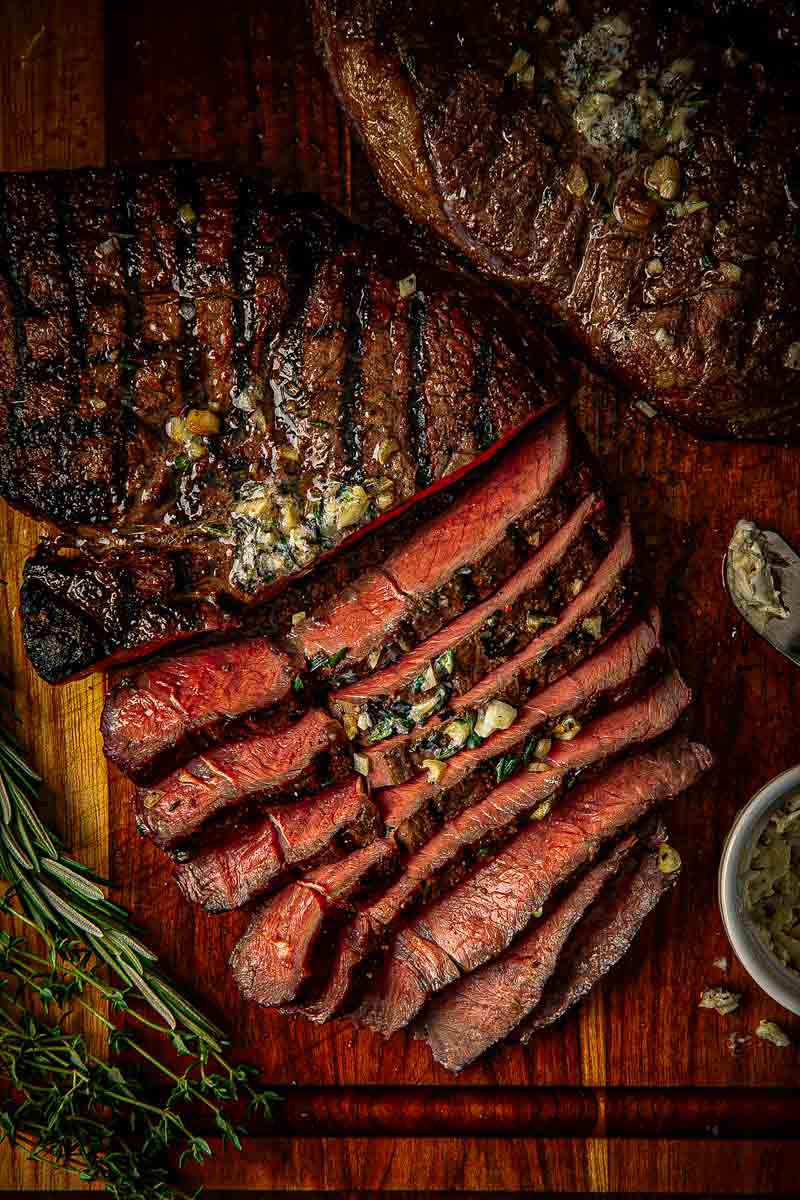
Flank isn't the absolute leanest on the list, but it earns its spot because it takes flavor better than almost anything else here. A soy-citrus or chimichurri marinade for a few hours, a fast hot grill, then thin bias-cut slices against the grain - this is the lean cut that never tastes like a compromise.

Tenderloin: the splurge that's secretly healthy
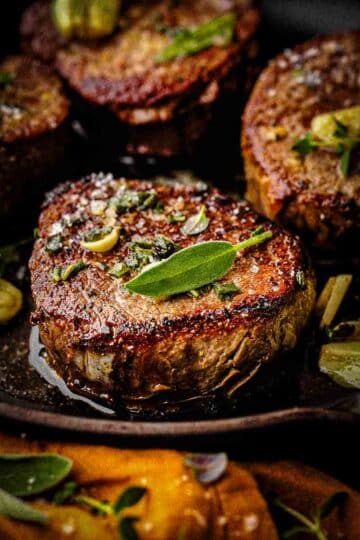
People buy tenderloin for texture, not health, but it turns out it's a legitimately lean cut too - just don't smother it in bacon and butter if that's the goal. A simple herb-butter baste at the end of cooking keeps it rich-tasting without piling on saturated fat.
Why Lean Cuts Go Tough (and How to Stop It)
Lean cuts have almost no intramuscular fat to baste themselves as they cook, which means the margin between perfectly cooked and dry is much narrower than with a ribeye or brisket. A few things I've learned that consistently make a difference:
- Pull earlier than you think - lean cuts carry over more residual heat relative to their mass, so pulling 5°F below your target and resting covered gets you there without overshooting.
- Marinate cuts like flank, round tip, or skirt for at least 2 hours; the acid helps break down tough muscle fibers that have nothing else going for them.
- Always slice against the grain - on a cut with minimal fat, grain direction is the difference between tender and chewy.
- Reverse sear thicker roasts (eye of round, top round) instead of blasting them with high heat the whole way through; a slow ramp to temp keeps more moisture in.
- Rest longer than you'd rest a fattier cut - at least 10 minutes for steaks, 20+ for roasts - since there's less fat to keep juices suspended once you cut in.
Quick FAQ
Is ground beef ever considered lean?
Yes - 93% lean ground beef qualifies, sitting right at the 10-gram fat threshold per 3-ounce cooked patty, though it's the fattiest option on this particular list.
What's the single leanest cut of beef you can buy?
By most USDA-based comparisons, top sirloin and eye of round consistently come out on top, both landing under 4.5 grams of total fat per cooked 3-ounce serving.
Do lean cuts have less protein than fattier cuts?
Not meaningfully - most lean cuts actually deliver slightly more protein per ounce than fattier cuts, since fat is displacing lean muscle tissue, not protein.
More Resources on Beef Cuts
6 Cheap Beef Cuts That Taste Better Than Ribeye ($7 Steak Night)
Best Cuts of Steak for Pan Searing
How to Cook Steak: Complete Guide to Cuts, Doneness, and Methods
Comments
No Comments