
There's no single "right" way to cook a steak - but there are a lot of wrong ones. Whether you're working with a well-marbled ribeye, a lean flank steak, or a budget-friendly sirloin, the difference between a memorable steak and a disappointing one almost always comes down to three things: choosing the right cut for the right method, understanding heat and doneness, and knowing when to keep it simple. This guide covers all of it.
How to Choose the Right Cut
Not all steaks are created equal, and the cut you choose should be dictated by how you plan to cook it. Broadly speaking, steaks fall into two camps: tender, high-fat cuts from the loin and rib sections (ribeye, NY strip, tenderloin) that are best cooked with dry, high heat and minimal fuss - and tougher, more flavorful cuts from the chuck, flank, and plate (flank, skirt, hanger) that benefit from marinades, thinner slicing against the grain, or lower, slower heat.
For pan-searing specifically, cut selection matters enormously. The best cuts share a few traits: even thickness for consistent cooking, enough intramuscular fat to self-baste and stay moist under high heat, and a surface area that makes solid contact with a hot pan. This breakdown of the best cuts for pan-searing walks through exactly which steaks perform best on the stovetop and why - including a few underrated budget options that punch well above their price point.
- Ribeye - The undisputed king of pan searing. The generous fat marbling bastes the steak from the inside as it cooks, delivering a rich, buttery crust and an intensely flavorful interior. If you're only pan searing one steak in your life, make it a bone-in ribeye.
- New York Strip - Leaner than a ribeye but with a thick fat cap along one edge that crisps up beautifully in a hot pan. It has a firm, chewy texture that holds up perfectly to high heat and develops one of the best crusts of any cut.
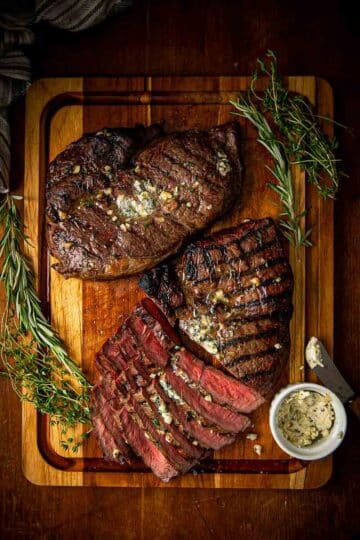
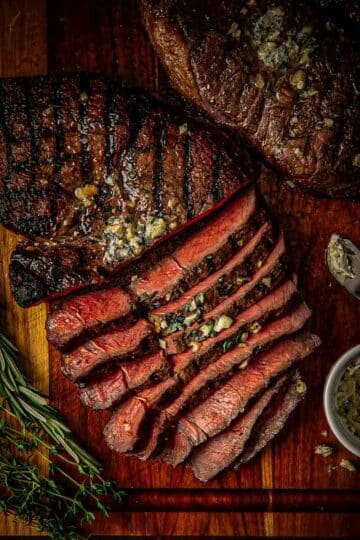
- Sirloin - The everyday hero of the steak world. Top sirloin is lean, affordable, widely available, and surprisingly flavorful for the price - making it the best entry point for anyone learning to pan sear steak. It doesn't have the marbling of a ribeye, so don't overcook it; medium-rare to medium is its sweet spot, and a finishing pat of garlic butter takes it from weeknight dinner to something genuinely special.
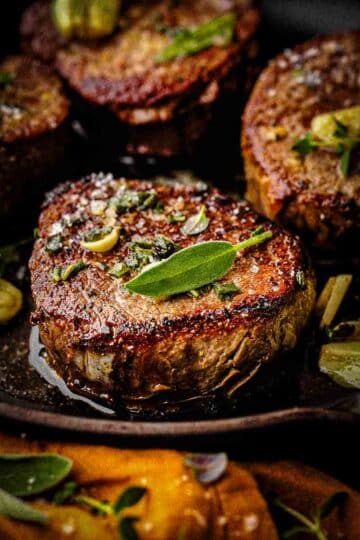
- Filet Mignon - Incredibly tender, very lean, and best cooked to no more than medium-rare. Because it has so little fat, it benefits from a butter baste during searing - a generous spoonful of herb butter spooned over the top while it sizzles makes this cut absolutely extraordinary.
- T-Bone and Porterhouse - Two steaks in one: a strip on one side, a filet on the other, separated by a bone. They're dramatic, impressive, and delicious - but tricky to cook evenly in a pan because the bone conducts heat differently. For thick T-bones (1.5 inches or more), this is actually where the reverse sear method becomes genuinely brilliant - starting low and slow in the oven first means you get edge-to-edge doneness before the final high-heat sear in the pan, eliminating that dreaded gray ring of overcooked meat entirely.
- Flat Iron - Underrated and underused. Cut from the shoulder, it's one of the most tender and flavorful affordable cuts available, and it sears beautifully in a cast iron skillet. Look for it at a good butcher - it's a sleeper hit.
- Skirt and Flank Steak - Best for high-heat, fast searing only. These thin, fibrous cuts go from raw to perfectly charred in 2-3 minutes per side - any longer and they turn tough and chewy. Always slice against the grain for maximum tenderness.
If you want to go even deeper into marbling, look for well-marbled Black Angus ribeye as your "everyday special" steak, or splurge on Black Wagyu ribeye for a once-in-a-while, ultra-rich version. I explain the differences between the two in more detail here: what is Black Angus beef? and what is Black Wagyu beef?
Pan-Searing: The Everyday Method That Delivers Restaurant Results
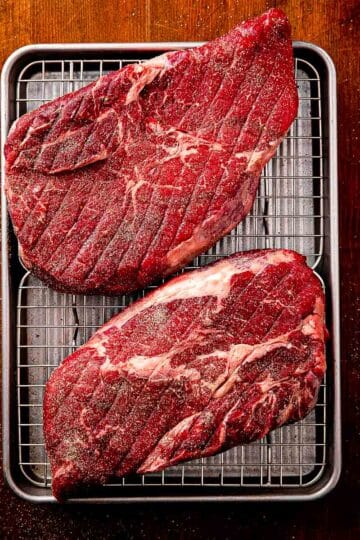
Pan-searing is the single most practical steak technique in the home cook's arsenal. A heavy pan - cast iron is ideal - preheated until it's genuinely screaming hot, a high-smoke-point fat like avocado oil or ghee, and a steak that's been properly dried and seasoned: that's your foundation.
The goal is the Maillard reaction, the chemical browning process that creates the crust responsible for most of a sear's flavor. It only happens efficiently above 300°F, which is why a lukewarm pan is the most common reason home-cooked steaks steam rather than sear.
The full step-by-step process - from how to prep the pan to when to add butter and aromatics - is covered in detail in how to cook steak perfectly every time using the pan-sear method. Follow that method once and it becomes second nature. A few recipes that showcase the technique at its best:
- Peppercorn Steak - a classic French steakhouse preparation with a cracked black pepper crust and a rich cognac cream sauce
- Sirloin Steak - proof that a leaner cut, cooked correctly, delivers serious flavor without the premium price tag
- Steak Diane - a retro pan-sauce showpiece that demonstrates exactly how to deglaze and build layers of flavor in the same pan you seared in
- Garlic Butter Steak Bites - a weeknight-friendly format that maximizes crust-to-interior ratio by cutting into pieces before searing
If you are into reverse searing, then I break it all down in The Ultimate Reverse Sear Steak Method: How to Cook Any Thick Cut Perfectly.
Steak and the Grill: Inseparable Friends
Grilling is one of those essential rites of passage in steak life, right up there with your first perfectly pan-seared ribeye and the moment you finally trust a thermometer more than your instincts.
If pan-searing is the reliable, everyday workhorse of steak cooking, grilling is its louder, smokier cousin-the one that shows up in the summer, drinks your beer, and still somehow makes everything better.
At some point, if you care about steak, you need to know how to take it outside, build a hot-and-cool zone on the grill, and coax the same deep browning and precise doneness you'd expect from your favorite skillet.
On the Grill, You're Still Chasing the Maillard Reaction
Even on a blazing-hot grill, you're not just "burning" the outside of the steak-you're driving the same Maillard reaction you rely on in a cast iron pan, which is why a dry surface and serious direct heat matter just as much outdoors as they do on the stovetop.
On the grill, the key is still a dry surface plus sufficient heat: moisture needs to evaporate first before the surface can climb above water's boiling point, which is why patting the steak dry and allowing some surface dehydration helps you get better browning and flavor. Once that surface is dry and the grate or flame is hot enough, you get rapid Maillard browning-the crust and grill marks that signal you're in the right zone-not just caramelization of sugars alone.
The Reverse Sear: When Conventional Wisdom Gets It Backwards
The reverse sear - cooking low and slow first, then finishing with a high-heat sear - isn't a gimmick. It's a fundamentally smarter approach for thick-cut steaks, and the science behind it is rock solid. By bringing the internal temperature up gradually in a 225-250°F environment before the sear, you eliminate the "bullseye" problem: that grey ring of overcooked meat surrounding a too-small window of proper doneness that plagues conventionally seared thick steaks.
When you finally sear, the surface is already dry, the interior is already close to target temp, and carryover cooking becomes almost negligible.
That said, the reverse sear isn't a universal upgrade - it's the right tool for specific jobs, and using it on a thin New York strip is a waste of time. This deep dive into why reverse searing is actually brilliant (and when it's not worth it) lays out exactly which cuts and thicknesses benefit most, and where the traditional sear still wins.
Don't Skip the Pan Sauce
One of the most overlooked aspects of cooking steak at home is what happens after the steak comes out of the pan. Those browned bits stuck to the bottom - the fond - are concentrated flavor, and deglazing them with wine, stock, or even water is the foundation of a pan sauce that can transform a straightforward weeknight steak into something that tastes genuinely restaurant-caliber.
A great pan sauce takes under five minutes and uses what's already in the pan. Pan Sauces 101 covers the core technique - building on fond, choosing your liquid, finishing with butter - and explains the ratio logic so you can improvise confidently without a recipe.
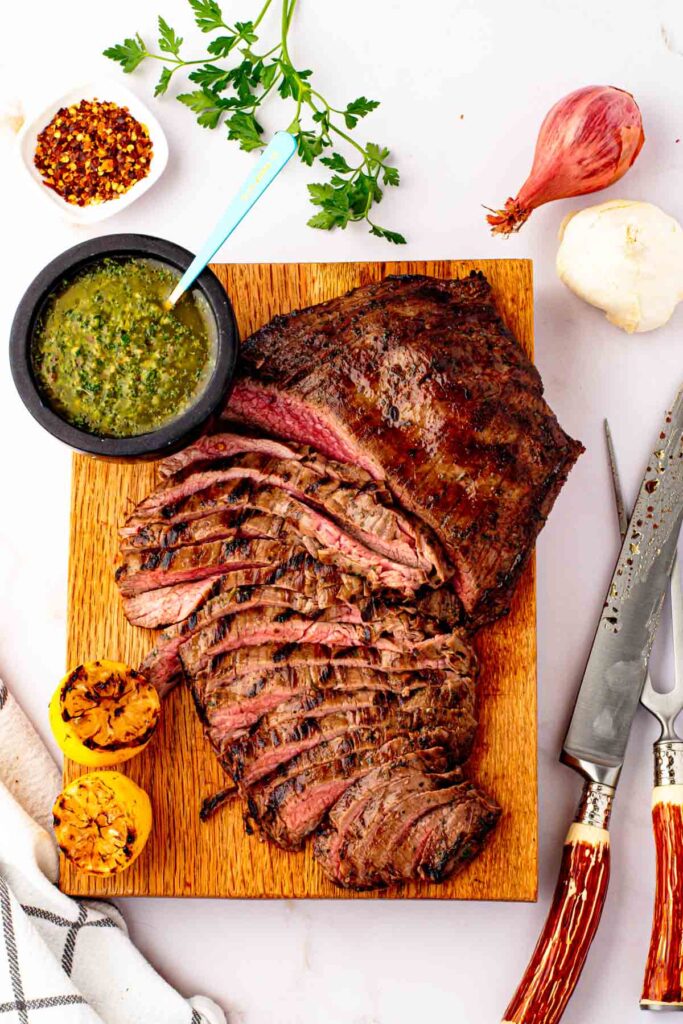
For a ready-to-go example, Chimichurri Marinated Flank Steak takes a different route entirely, pairing a bright herb sauce with a leaner cut that benefits more from an acid-forward marinade than a rich pan sauce.
Steak Doneness: Internal Temperature Is the Only Thing That Matters
Prodding a steak with your finger and comparing it to the fleshy part of your palm is a technique passed down through generations of cooking lore - and it's unreliable enough that you should abandon it entirely. An Instant Read Thermometer removes all ambiguity. More importantly, it accounts for the real variables that change from cook to cook: the thickness of the cut, the starting temperature of the meat, the heat output of your specific burner or grill, and the amount of carryover cooking that will continue after the steak leaves the heat.
Pull temperatures, target temperatures, and what each doneness level actually looks and tastes like are all mapped out in the steak doneness temperatures guide. The key number to internalize: pull your steak 5°F below your target for thin cuts, 10°F below for thick cuts and reverse-seared steaks, where carryover is more significant.
Dry Brining: The One Prep Step Worth Doing Every Time
Dry brining - salting your steak generously and letting it rest uncovered in the refrigerator - is one of the highest-return steps in the entire process.
Salt initially draws moisture to the surface through osmosis, but given enough time (at least 45 minutes, ideally overnight), that moisture is reabsorbed along with the dissolved salt, seasoning the meat from the inside out and improving its water-retention during cooking. The desiccated surface that results also dramatically improves browning. It costs nothing but time and refrigerator space.
Putting It All Together
The progression from competent steak cook to consistently excellent one isn't about mastering an exhaustive list of techniques - it's about understanding why the core principles work, so you can make smart decisions when variables change. Start with the pan-sear method on a reliable cut like sirloin or NY strip. Get your doneness temps dialed in. Add a pan sauce. Then, once thick-cut steaks are on the menu, explore the reverse sear.
For a full collection of recipes organized by method and cut, the steak dinner recipes roundup is a good starting point - everything from weeknight-fast to weekend-project, all built on the same foundational technique covered in this guide.
Ready to Cook Steak?
- Steak Diane for Two - Silky Cognac Cream Sauce, Ready in 25 Minutes
- How to Cook Sirloin Steak (Pan-Seared, Juicy Every Time)
- Chimichurri Marinated Flank Steak
- Peppercorn Steak (Steak Au Poivre Without Cognac)
Steak resources you might like
If you want to go deeper on steak beyond this recipe, here are some of my favorite guides:
- How to Cold Sear a Steak (Step-by-Step Guide) - Start in a cold pan for an even interior, gorgeous crust, and less smoke. Especially good for ribeye and strip.
- What Is Black Angus Beef? A Cook's Guide to Better Steak - What "Angus" actually means, and how to shop smarter for better flavor and texture.
- 5 Common Steak-Cooking Mistakes - The biggest pitfalls that ruin otherwise great steak-and how this recipe quietly avoids all of them.
- How to Cook Sirloin Steak (Pan-Seared, Juicy Every Time) - My go-to method for thick sirloin: hard sear, juicy center, pan sauce in the same skillet.
- Reverse Sear Steak Method: How to Cook Any Thick Cut Perfectly - The technique I use for extra-thick cuts that need gentle heat first, crust second.
- How to Cook Steak Perfectly Every Time on the Stove Top (Pan-Sear Method) - A full walkthrough of the stove-top pan-sear from start to finish.
- What to Use NY Strip Steak For: 7 Ways to Cook This Cut - Ideas for getting more mileage out of NY strip, from weeknight dinners to "company's coming" meals.
Comments
No Comments