
Steak fat is one of those topics where people have genuinely strong opinions - you're either eating every last bit of that fat cap with pure joy, or you're cutting it off and pushing it to the side like it offended you. Steak fat: love it or hate it?


Crispy fat mixed in with a bite of steak? Amazing. Restaurants clearly agree - even as they trim and portion steaks, they always leave a little fat on, since so many people love it, while trimming off the excess. Personally, I take it a step further: I'll stick the trimmed fat in the oven until it's fully rendered and crispy, season it with salt, and snack on it the rest of the day.
Fat Is Not Flavor-It's a Carrier
Intramuscular fat, or marbling, is often credited with giving steak its rich, beefy taste. In reality, fat itself has very little inherent flavor. What it does do exceptionally well is carry flavor-specifically, fat-soluble aromatic compounds that develop during cooking.
When a steak hits a hot pan or grill, the Maillard reaction kicks in. This complex series of chemical reactions between amino acids and reducing sugars produces hundreds of new flavor compounds-the savory, browned, deeply "meaty" notes we associate with a great steak. Fat helps distribute and amplify these compounds across your palate, giving the impression of richness.
But here's the catch: if the underlying meat lacks flavor to begin with, fat has very little to amplify.
The Real Source of Beef Flavor
The primary drivers of beefy flavor are not fat, but muscle composition and post-slaughter handling. Several factors matter far more than marbling:
- Breed and diet: Grass-fed cattle often develop more complex, mineral-forward flavors, while grain-fed beef tends to be milder and sweeter. I cover more on cow breeds and types of beef in both What Is Black Angus Beef? and What Is Black Wagyu Beef? articles.
- Aging: Dry-aged beef develops concentrated, nutty, and umami-rich notes through moisture loss and enzymatic breakdown.
- Muscle usage: Hard-working muscles (like chuck or skirt) develop more flavor than tender, underused muscles like tenderloin. You might be surprised to find out When You're Eating Meat, What Are You Actually Eating.
This is why a well-aged skirt steak or hanger steak-cuts with relatively modest marbling-can deliver far more intense flavor than a heavily marbled filet mignon.
Tenderness vs. Flavor
Marbling does play an important role, but it's often misunderstood. Its primary contribution is tenderness, not flavor.
As fat melts during cooking, it lubricates muscle fibers, making each bite feel softer and juicier. This is especially important in cuts from less active muscles, where tenderness is prized. However, that same tenderness can come at the cost of flavor intensity.
Tenderloin is the clearest example. It's one of the most tender cuts on the animal, yet it's also one of the least flavorful. Even with moderate marbling, it lacks the robust beefiness found in more fibrous cuts.
When Fat Helps-and When It Doesn't
There is a point where fat improves the eating experience. A completely lean steak can taste dry and one-dimensional, even if it has good underlying flavor. Some marbling provides balance, helping retain moisture and enhance mouthfeel.
But beyond a certain threshold, more fat doesn't mean more flavor-it often means less.
Highly marbled steaks, such as certain wagyu cuts, can taste rich to the point of monotony. The fat dominates the experience, muting the distinct mineral and savory notes that define beef. Instead of complexity, you get uniform richness.
This is why many chefs prefer moderately marbled cuts over the most extreme examples. They offer a better balance between texture and flavor.
Why some people are obsessed with it
If you're a fat-lover, you're onto something real. Properly cooked, that fat cap goes golden and slightly crisp, with a rich, almost caramelised flavor that a lot of people reckon is the best bite on the entire plate. And there's a good reason it tastes so good - fat acts like a flavor reservoir. As the steak cooks, it slowly melts and bastes the meat from the inside, which is exactly why a well-marbled steak tastes noticeably richer than a lean cut. It's not just sitting there for texture, it's actually doing something.
Why some people can't stand it
Here's the thing though - the people who hate steak fat usually aren't objecting to the taste. It's almost always about texture. Even the biggest fat-haters will admit it tastes fine - they just can't get past the mouthfeel of biting into a solid piece of pure fat. It's been compared to chewing on rubber, which, fair, once you hear that comparison it's hard to un-think it.
And it gets worse if the fat isn't cooked properly. If it hasn't had enough time or heat to render down, it stays chewy and waxy instead of turning crisp - which is basically the worst version of steak fat you can serve someone who's already on the fence.

The real secret: it's all in the cooking
So much of this debate isn't actually about fat itself - it's about whether you've cooked it properly.
Slow-render that fat cap first over lower heat, then finish with a hard, hot sear, and you'll get something crisp and almost bacon-like. That's the version that wins people over. But if you throw it straight onto high heat without giving it time to render, you'll end up with gummy, chewy fat - and nobody's a fan of that. Genuinely, the difference between "best bite of the meal" and "immediately discarded" comes down to those extra few minutes of cooking it right.
Quick note: marbling and fat cap aren't the same thing
Worth clearing up, because it explains a lot of the confusion. Marbling is the fine veins of fat running through the meat itself - it melts gently as it cooks, keeping everything moist and giving you that melt-in-the-mouth quality in a good ribeye. Nobody really has a problem with marbling; it's just part of what makes the cut good.
The fat cap is different - it's that solid strip of fat along the edge of the steak, separate from the meat. And that's where all the actual drama happens. Some treat it as the best part of the steak. Others treat it as something to trim off entirely, regardless of flavour.
So, is there a right answer?
Not really, and that's fine. Fat genuinely improves tenderness, juiciness, and flavor in beef - that's backed by real food science, not just opinion. But how much you personally want to eat comes down to your own sensitivity to that particular texture, not whether you've got "good" or "bad" taste.
So eat the fat cap, skip it, whatever works for you - you're not doing it wrong either way. Just one rule from me: if that fat isn't rendered properly, nobody's going to enjoy it. Get the technique right, though, and you might just convert a few skeptics along the way.
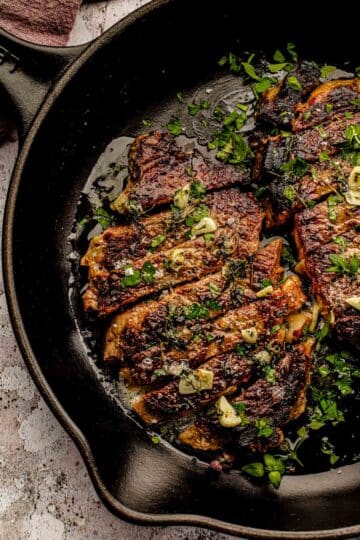
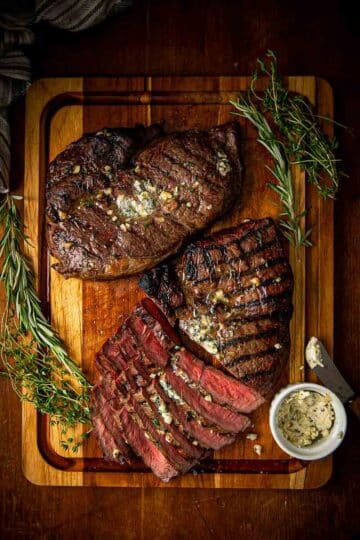
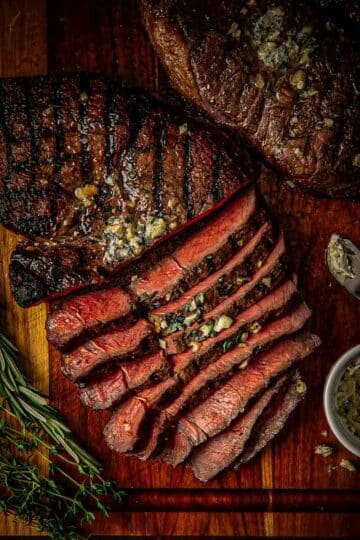
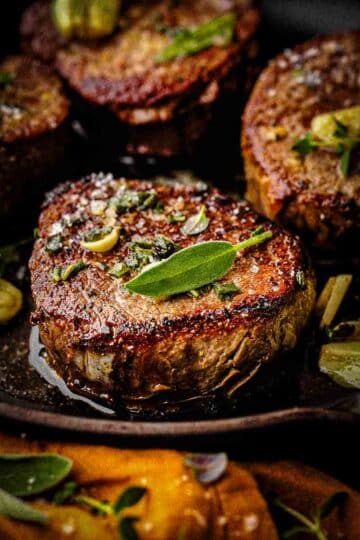
If You're Ready to Cook Your Own Steak
Now that you know what to do with the fat, here's how to get the rest of the steak just as right:
Comments
No Comments