

If you've ever tried to baste a steak in butter and ended up with a burnt, bitter pan, you're not alone. Always start with a high smoke point oil to get that deep, golden crust, then lower the heat before introducing any butter. That simple shift keeps the butter from scorching and gives you that rich, nutty flavor you actually want. It's one of those small technique tweaks that instantly makes your steak feel more restaurant-quality at home.
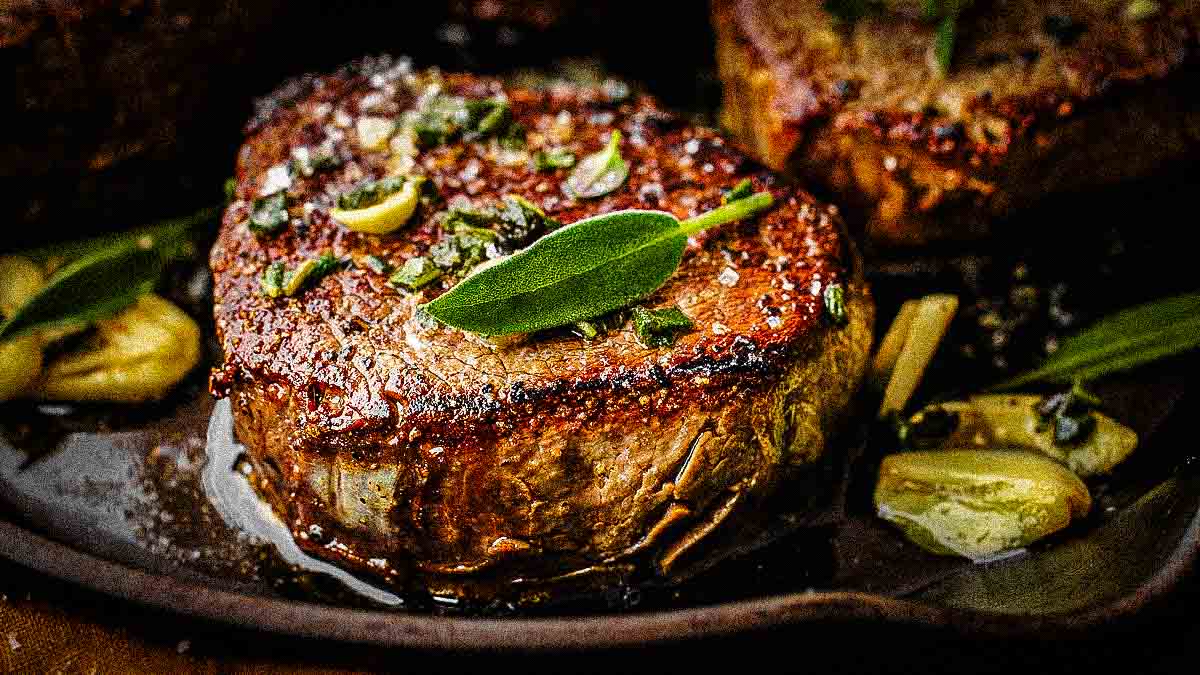
There Are Two Approaches To Basting
You can (1) baste the steak right in the pan, or skip it entirely and (2) make a quick pan sauce after searing-I've done both numerous times, and the flavor is nearly identical. What matters most is controlling the heat and building flavor in stages. Once the pan cools slightly (with oil and fond still in it), I add butter, garlic, and rosemary and let everything gently bubble into a fragrant sauce before finishing the steak. It's simple, reliable, and gives you that juicy interior with a beautifully crisp crust-no gray band, no burnt butter, just a really solid steak every time.
I'm going to add that there's no taste difference between basting and adding the pan sauce while resting.
Lower The Heat Before Adding Butter
At any rate, the big mistake is searing and then basting after searing while the pan is still smoking hot. You want to sear at 400-500 F with a high smoke point oil in your pan - no butter. That's what gives you the crust. Once you have your crust, remove the steak.
Now lower the pan's heat to medium low. Do not add butter to the pan until it has cooled down, because butter burns at 350 F, meaning you can never safely sear with it. THEN add butter, garlic with the paper on, and rosemary if you like it, let it bubble, and make sure it doesn't turn darker than nutty brown. After 2-3 minutes, add the steak, and baste 30-60 seconds on each side, with garlic gloves with the paper on and rosemary. Remove the steak, and continue to cook that garlic for 3-4 minutes with the rosemary. After slicing, pour the sauce on it, too. You don't have to add that extra cook time, but I like to smear the soft, roasted garlic on steak slices.

The Step-by-Step Method
1. Start with Oil
Heat a heavy skillet-preferably cast iron or carbon steel-over high heat until it just begins to smoke. Add 1 to 2 tablespoons of a neutral, high-smoke point oil like avocado or canola. Do not use butter or olive oil at this stage; both contain solids that will burn before the steak has a chance to properly sear.
2. Get a Proper Sear
Place your well-seasoned steak in the pan and press it down gently to ensure full contact. Let it cook undisturbed until a deep brown, crisp crust forms, about 3 to 4 minutes. Flip and repeat on the second side. This is where flavor is built-don't rush it.
3. Lower the Heat
Once both sides are seared, immediately reduce the heat to medium-low. This step is critical. Give the pan 30 to 60 seconds to come down in temperature; you want to maintain a steady sizzle without aggressive smoking. This temperature shift is what prevents the butter from burning.
4. Add Butter and Aromatics
Add 3 to 4 tablespoons of unsalted butter along with smashed garlic cloves and hardy herbs like thyme or rosemary. As the butter melts, it will begin to foam. That foam is your signal that the temperature is in the right range for basting.
5. Baste Continuously
Tilt the pan slightly so the butter pools at the edge. Using a large spoon, scoop the foaming butter and pour it repeatedly over the steak. Flip the steak every 20 to 30 seconds to encourage even cooking and better heat distribution. The butter should smell nutty and aromatic-not sharp or burnt.

What to Watch For
Butter moves quickly from perfect to burnt, so visual and aromatic cues matter more than timing.
- Proper butter: pale golden foam, gentle bubbling, nutty aroma.
- Too hot: dark brown milk solids, aggressive smoking, bitter smell.
- Too cool: fully melted butter with little to no foaming; ineffective basting.
If the butter starts to darken too fast, pull the pan briefly off the heat or reduce the flame further. Control comes from managing heat, not rushing the process.
Why This Works
Searing and basting rely on two different temperature zones. The initial high heat drives the Maillard reaction, creating the crust. Butter, on the other hand, performs best at lower temperatures where its milk solids can toast slowly without burning.
Separating these phases-first sear, then baste-lets you maximize both flavor and control.
A Quick Example
If you add butter at the beginning, it will burn before your steak even browns. If you wait until after the sear and lower the heat, the same butter transforms into a rich, foaming glaze that carries garlic and herb flavor into every crevice of the crust.
I find that this simple rule is the difference between a bitter, smoky pan and a steakhouse-quality finish.
Steak Recipes This Works On
Steak Diane for Two - Silky Cognac Cream Sauce, Ready in 25 Minutes
A classic pan-seared steak finished with a silky cognac cream sauce, using high-heat searing in oil and gentle butter basting so the butter never burns.
How to Cook Sirloin Steak (Pan-Seared, Juicy Every Time)
Step‑by‑step guide to pan‑seared sirloin that stays juicy, starting with a hot oil sear and then lowering the heat to add butter for controlled basting.
Peppercorn Steak (Steak Au Poivre Without Cognac)
Crusted peppercorn steak with a rich pan sauce, seared in high‑smoke‑point oil and basted with butter over lower heat to keep the flavors nutty, not burnt.
The Best Garlic Butter Steak Bites in Rich Herb Butter Sauce
Quick, bite‑size steak pieces seared in oil, then coated in a garlic‑herb butter sauce added off high heat so the butter and aromatics stay golden and fragrant.
More steak resources you might like
If you want to go deeper on steak beyond this recipe, here are some of my favorite guides:
- How to Cook Steak: Complete Guide to Cuts, Doneness, and Methods - Best cuts, pan vs. grill, reverse sear basics, and a doneness temperature chart for every level.
- How to Cold Sear a Steak (Step-by-Step Guide) - Start in a cold pan for an even interior, gorgeous crust, and less smoke. Especially good for ribeye and strip.
- What Is Black Angus Beef? A Cook's Guide to Better Steak - What "Angus" actually means, and how to shop smarter for better flavor and texture.
- 5 Common Steak-Cooking Mistakes - The biggest pitfalls that ruin otherwise great steak-and how this recipe quietly avoids all of them.
- How to Cook Sirloin Steak (Pan-Seared, Juicy Every Time) - My go-to method for thick sirloin: hard sear, juicy center, pan sauce in the same skillet.
- Reverse Sear Steak Method: How to Cook Any Thick Cut Perfectly- The technique I use for extra-thick cuts that need gentle heat first, crust second.
- How to Cook Steak Perfectly Every Time on the Stove Top (Pan-Sear Method) - A full walkthrough of the stove-top pan-sear from start to finish.
- What to Use NY Strip Steak For: 7 Ways to Cook This Cut - Ideas for getting more mileage out of NY strip, from weeknight dinners to "company's coming" meals.
Comments
No Comments