
I have a bottle of red wine🍷 in my kitchen right now that has never once made it into a glass. It exists purely to go into a pot. My mom thinks this is hilarious, mostly because I will absolutely spend twelve dollars on a Chianti I'd never order at a restaurant, then guard it like it's a fine Barolo the second a saucepan is involved.

That's the thing nobody tells you about cooking Italian food at home: the wine matters just as much as the tomatoes. Get it wrong and your bolognese tastes flat, or worse, boozy and sharp in a way that never cooks out. Get it right and the sauce tastes like it's been simmering in someone's nonna's kitchen for three hours, even if you started it forty minutes ago.
📝 Quick Reference
🍅 For tomato-based sauces (marinara, puttanesca): Chianti or other dry Sangiovese
🥩 For meat sauces (bolognese, ragù): dry white for the traditional version, or Sangiovese di Romagna / Montepulciano d'Abruzzo for a beef-heavy, tomato-forward version
🧈 For cream sauces (Alfredo, cacio e pepe): Vermentino, Pinot Grigio, or dry white
🦐 For seafood pasta: crisp Italian white - Pinot Grigio, Soave, or Vermentino
❌ Skip: anything labeled "cooking wine" on the grocery shelf
✅ Rule of thumb: if you wouldn't pour it into a glass and drink it, don't pour it into your pot
🍇 Why the Wine You Cook With Actually Matters
Here's what I didn't understand for years of making red sauce on autopilot: wine isn't in an Italian recipe to get you tipsy while you stir. It's there for the acid. Tomatoes are sweet and acidic at the same time, and wine's job is to sharpen that acidity, cut through fat from olive oil or pancetta, and pull out flavors that would otherwise sit flat on the tongue.
The bottles labeled "cooking wine" that show up near the vinegar aisle at the grocery store are not your friend here. They're loaded with salt and preservatives specifically so they don't spoil sitting on a shelf for a year, and that salt throws off the seasoning in your whole dish before you've even added your own. The advice that keeps surfacing from actual sommeliers and chefs is refreshingly simple: cook only with wine you'd actually drink.
That doesn't mean you need a splurge bottle. It means a $12-$18 bottle of something drinkable, not something manufactured to survive on a pantry shelf indefinitely.
🍅 Tomato Sauce: Chianti Is the One
If your pasta night starts with garlic hitting hot olive oil and a can of San Marzanos going in next, you want a Chianti. Wine Spectator tested this exact pairing with chef Scott Conant's simple spaghetti and fresh tomato sauce, and the answer landed on a fruity, medium-bodied Chianti - a Sangiovese from Tuscany with bright cherry and strawberry notes that swims alongside the tomato's natural sweetness and acidity instead of stepping on it.
This is also where Redgold's tomato experts land: a high-acid, medium-bodied red like Chianti or Barbera complements the acidity already sitting in the tomatoes rather than fighting it. You don't need a fancy Chianti Classico Riserva for the pot - save that bottle for your glass at dinner. A basic Chianti Classico or Chianti Superiore works fine simmered into the sauce for twenty minutes.
For puttanesca specifically, with its olives, capers and anchovies, reach for a Primitivo from Southern Italy instead - its bright red fruit and herbal edge stand up to the salty, briny punch of that sauce without getting lost.
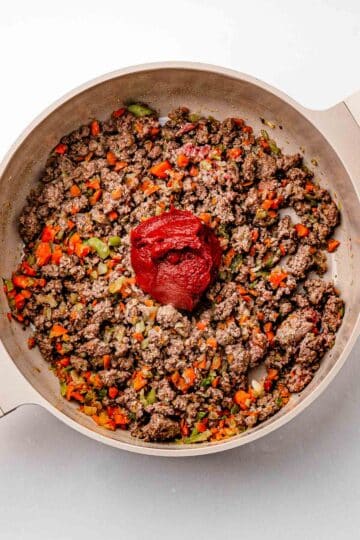
A rich beef bolognese asks for something with more shoulders. The meat, the long simmer, the tomato paste cooked down until it's almost caramelized - all of that can handle a fuller red without disappearing under it. Sangiovese di Romagna or a Montepulciano d'Abruzzo both bring enough tannin and dark-fruit weight to hold up next to browned beef, and the acidity still cuts through the fat the way it needs to. Pour in about half a cup once the meat has browned and let it cook down until it's nearly gone before you add the tomatoes - that step alone changes how the whole pot tastes, pulling out a depth plain tomato and beef can't get to on their own.
Cooking With Red Wine Checklist
- Avoid High-Tannin Bottles: A wine with heavy, grippy tannins - think young Cabernet Sauvignon, Barolo, or big Nebbiolo - gets more concentrated as it reduces, not less, which is what turns a sauce bitter or metallic instead of rich.
- The Low-Tannin Rule: Sangiovese-based reds like Chianti and lighter options like Pinot Noir carry enough acid to cut through fat without the coarse tannin that gets worse under heat, which is why they show up so often as the default cooking red across Italian and French sauces alike.
- Italian Cooks Go Beyond Chianti: Sangiovese (Italy's most widely planted red wine grape) gets most of the attention, but it's not actually low in tannin - it earns its spot by pairing that tannin with enough acid to keep a reduced sauce bright instead of flat. That's the same reason Montepulciano and Primitivo work in a pot even though neither one is a "safe," low-tannin wine on paper - acid, not softness, is what actually protects a sauce from turning bitter.
- Protein Softens the Tannin: Tannins bind to protein, so a sauce with ground meat, seared beef, or even a dairy finish absorbs some of that tannin before it reaches your mouth - it's part of why a bolognese or braise can handle a bolder red than a simple pan sauce can.
- When it Works: For long-simmering sauces, braises, and stews, wine goes in early, right after the meat browns, and reduces down before other liquid joins the pot - added too late, it just tastes like raw alcohol instead of rounding into the dish.
🥩 Bolognese: This Is Where People Get Surprised
I used to assume bolognese needed red wine, same as I laid out above - it's a meat sauce, and meat sauce feels like a red-wine food. Turns out the traditional Bologna method skips red on purpose. White wine's low tannin content means it won't turn bitter or metallic once it reduces for an hour next to milk and pancetta fat - red can get a little grippy in that same slot, especially with dairy already softening the sauce. Traditional ragù alla bolognese calls for a dry white wine - Pinot Grigio and Sauvignon Blanc are the easiest to find - without adding weight to a sauce that's already carrying beef, pork, and cream.
But the red-wine camp isn't wrong either - they're usually just making a different dish. A heavier, tomato-forward beef bolognese, the kind built more around a rich ragù than a delicate white sauce, actually wants the backbone a red brings, which is exactly why I prefer Sangiovese di Romagna or Montepulciano d'Abruzzo for that version. This Beef Bolognese with Red Wine and Parmesan is a good example of that camp - red wine deglazing the pot, a Parmesan rind, milk added later to round out the acidity instead of replacing the wine entirely. Two different sauces, two different wine rules, both called "bolognese" by people who've never met each other's recipe.

🥛 My actual approach: I keep a bottle of cheap Pinot Grigio specifically for the classic white-wine bolognese, and a bottle of Sangiovese or Montepulciano for the beef-heavy, tomato-forward version. Which bottle I open depends on which bolognese I'm actually making that night, not on some rule I'm supposed to follow.
And then there's the version that skips wine's argument entirely: Sausage Bolognese à la Vodka trades the whole white-versus-red debate for a splash of vodka and cream instead, which tells you something - once you're this deep into bolognese variations, "traditional" stops being the point and "what tastes good in your kitchen tonight" takes over.

🧈 Cream Sauces & Cacio e Pepe: Go White, Stay Light
Alfredo, cacio e pepe, and other cheese-forward sauces need a wine with enough backbone to stand up to the richness, but not so much oak or body that it turns the whole dish heavy. Wine Spectator's testers landed on Vermentino for a lemon-and-pea Alfredo - an Italian white from Sardinia or Liguria with a citrusy, almost salty minerality that cuts straight through cream.
For cacio e pepe, where the sauce is really just cheese, butter, and pepper coaxed into silkiness with pasta water, the same logic holds: a medium-bodied white with fresh acidity, like Verdicchio, Trebbiano, or an Orvieto blend, keeps the dish from feeling like a bowl of butter. Pinot Grigio and Pinot Bianco do the job too, and they're a lot easier to find at a regular grocery store than Verdicchio.
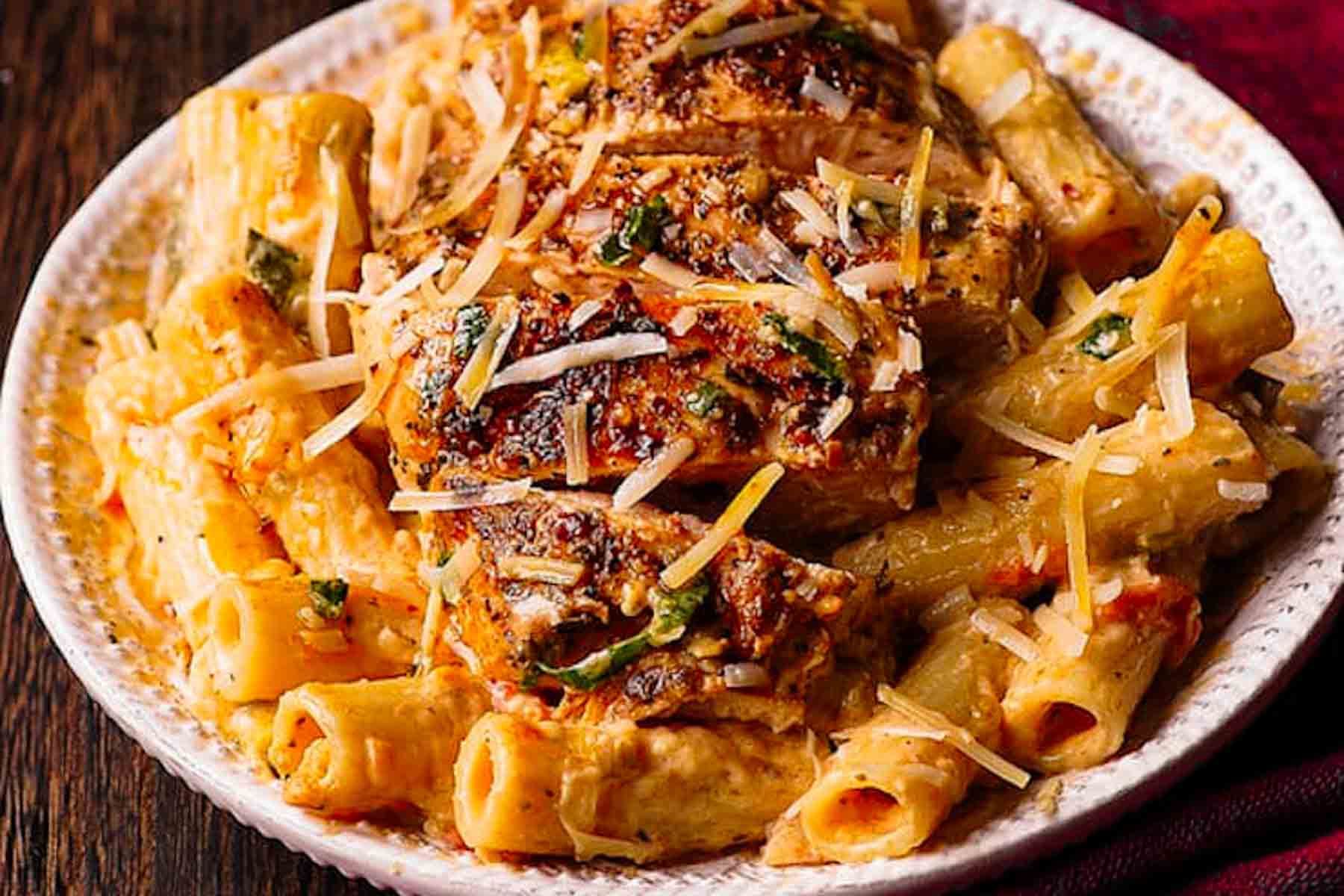
My favorite recipes where I used Pinot Grigio: Chicken Pesto Pasta in Creamy White Wine Sauce and Creamy Chicken Pasta with White Wine Parmesan Sauce.

🧈 Why Some Cooks Skip Chardonnay Entirely
Here's the part that actually explains the Chardonnay hesitation: it's not really about oak. A Chardonnay grape grown in a cool climate starts out plenty acidic - sometimes more acidic than people expect. What strips that acid down is a winemaking step called malolactic fermentation, where bacteria convert the sharp malic acid into softer, creamier lactic acid, which is also what gives oaked Chardonnay that buttery, rounded mouthfeel everyone associates with it. Pinot Grigio and Sauvignon Blanc almost never go through that process, so their acid stays sharp and intact from bottle to pan - which is the actual reason they cut through cream and fat more reliably than a big, buttery Chardonnay does.
An unoaked Chardonnay that's skipped malolactic fermentation will cook closer to a Sauvignon Blanc than to the Chardonnay most people picture - crisp, green-apple acidity instead of a soft, tropical roundness. That's the bottle to look for if Chardonnay is what's already open on the counter. But if the label doesn't say unoaked or doesn't mention stainless steel aging, assume it's gone through malolactic fermentation, and the acid you're counting on to balance the cream just isn't there anymore.
This Seared Chicken Pasta in Chardonnay Wine Sauce is a good example of that: a full cup of Chardonnay goes in right after the flour, cooking down for a few minutes before cream and chicken stock join the pan, so the wine's fruit softens into the sauce gradually.

Cooking With White Wine Checklist
Skip Sweet or Oaky Bottles: A wine with residual sugar (Riesling labeled "off-dry," Moscato) throws off the balance of a savory sauce, and heavily oaked whites bring the same flat, buttery weight you'd want to avoid in a Chardonnay - neither one lets the acid do its job.
The High-Acid Default: Pinot Grigio and Sauvignon Blanc reduce cleanly because their acid stays sharp under heat, which is why they're the wines most cream and seafood sauces are built around in the first place.
Go Regional for More Backbone: Vermentino and Verdicchio carry even more acidity than Pinot Grigio, plus a mineral, slightly saline edge that plain Pinot Grigio doesn't have - worth reaching for when a sauce needs to stand up to something briny, like capers, anchovies, or shellfish.
Watch the Reduction Time: White wine has less structure than red to begin with, so it reduces faster and can turn thin or overly sharp if it's left on high heat too long - a few minutes at a simmer right after deglazing is usually enough before cream or stock goes in.
When it Works: For pan sauces, risottos, and anything finished with butter or cream, wine goes in early, deglazing the pan right after the aromatics soften, so its acidity has time to mellow before the richer ingredients join it.
🦐 Seafood Pasta: Never Red, Always Crisp
Why White Wine Wins Here
Seafood like clams, mussels, and shrimp carries subtle, delicate flavor that red wine overpowers before it even gets a chance to shine. Tannins are the bigger issue, though - they clash directly with the proteins in fish and shellfish, leaving behind a metallic or harsh edge that undercuts what should be a clean, light dish.
That's why a splash of crisp white wine, something like Pinot Grigio or Vermentino, has become the traditional base for deglazing the pan and building a light sauce underneath shrimp scampi or a crab and cherry tomato pasta.
Where the Rule Bends
Tomato changes the equation. If a seafood dish leans on a heavy tomato base - Garlic Basil Shrimp Pasta in Tomato Wine Sauce - some cooks use a very light, low-tannin red or a rosato instead, since the tomato's acidity gives a red wine more to work with than delicate shellfish alone ever would.
And a few niche regional dishes go further still, boiling pasta directly in red wine (pasta al Chianti is the best-known example), though that's a genuine outlier rather than a standard seafood preparation - it shows up more as a curiosity than a rule anyone's actually following on a Tuesday night.
📊 Wine-to-Dish Cheat Sheet
| Pasta or Sauce Type | Best Wine to Cook With | Why It Works |
|---|---|---|
| Marinara / fresh tomato | Chianti (Sangiovese) | Bright red fruit matches tomato's sweetness and acid |
| Puttanesca | Primitivo | Stands up to olives, capers, anchovies |
| Bolognese / meat ragù | Dry Pinot Grigio or light Pinot Noir | White brightens without adding tannin weight |
| Alfredo / cream sauce | Vermentino or Pinot Grigio | Citrus and minerality cut through cream |
| Cacio e pepe | Verdicchio or Pinot Bianco | Fresh acidity balances butter and cheese |
| Seafood pasta | Soave, Friulano, or Pinot Grigio | Crisp whites avoid clashing with delicate proteins |
| Spicy arrabbiata / fra diavola | Verdicchio or Nero d'Avola | Citrus or soft tannins tame the heat without amplifying it |
🧠 A Few Things I Wish I'd Known Sooner
You don't need the expensive bottle. Once wine hits a hot pan and reduces for twenty minutes, subtle tasting notes that a sommelier would notice mostly cook away. What matters more is picking the right category - red versus white, dry versus sweet - not the price tag.
Open bottle, closed window. Leftover wine from cooking should get used within about four days in the fridge, whether you're drinking it or cooking with it again later in the week. I've started keeping a small bottle just for cooking so I'm not sacrificing a good pour I actually wanted to drink.
If you don't drink alcohol, you're not stuck. A splash of chicken stock with a squeeze of lemon juice or a little vinegar can replicate the acidity wine brings to a sauce, without the alcohol. It won't taste identical, but it gets you most of the way there.
Add wine early, not at the end. Wine needs time on heat to cook off its raw, boozy edge. Add it when you're building the base of the sauce - right after the garlic and onions soften - so it has time to reduce and mellow before the tomatoes or cream go in.
Next time you're standing at the stove wondering whether to reach for the Chianti or the Pinot Grigio, just ask what's actually going into the pot. Tomatoes want red. Cream and seafood want white. Meat sauce, despite what feels intuitive, usually wants white too. Once that clicks, the rest of Italian cooking gets a whole lot easier to get right. 🍝✨
Carla says
I always use Pinot Grigio.