
This Pan-Seared Chicken Breast recipe makes perfectly juicy, tender chicken every time, seasoned simply and cooked quickly in a hot skillet for maximum flavor. Say hello to crunchy crust and rich flavor!
For thicker chicken breasts, try Juicy Chicken Breast.
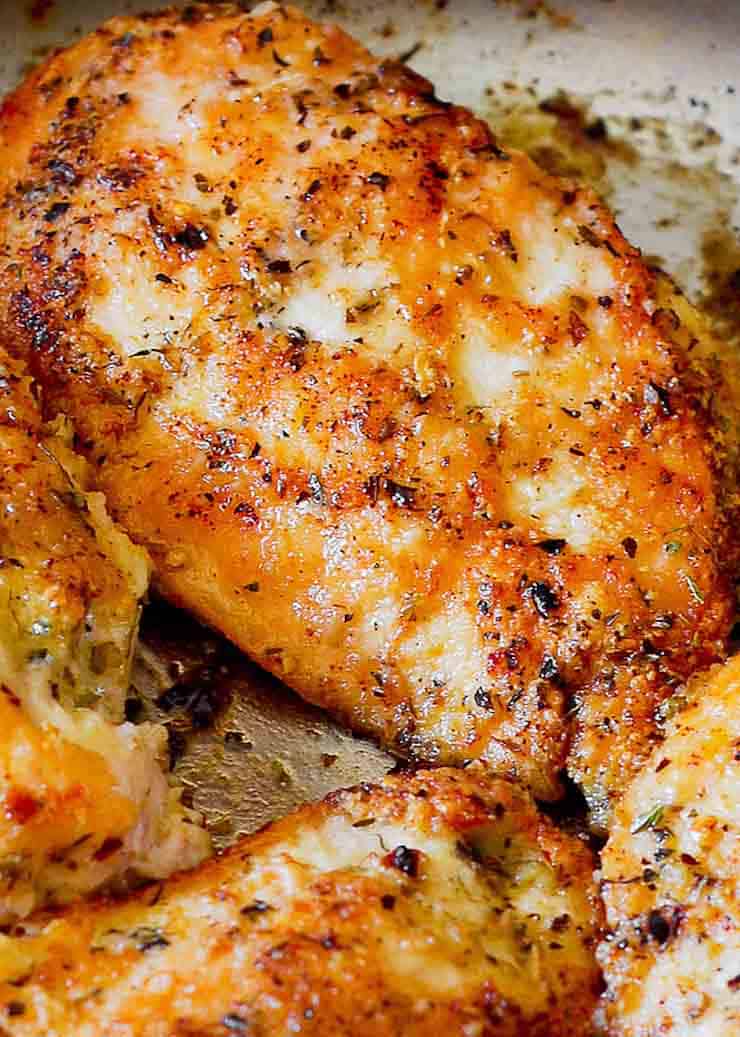
Easy pan-seared chicken breasts is one of my favorite ways to make chicken. It''s an excellent way to cook boneless and skinless chicken breasts when you are short on time so that you can enjoy perfectly juicy chicken and flavorful recipe with minimal effort.
Other examples of how to cook chicken breasts: parmesan crusted chicken, chicken tenders, how to bake chicken thighs.
Why Choose Pan-Seared Chicken Breasts?
- Quick and Easy: Pan-searing chicken breasts is fast and simple, making it ideal for weeknight meals or batch cooking for lunches. It only takes about 8 to 10 minutes to prepare perfectly cooked chicken breasts.
- Juicy, Flavorful Results: The pan-searing technique ensures the chicken stays moist and gets beautifully browned on the outside, delivering superior flavor compared to gentle oven roasting. A light flour dredge combined with quick searing achieves a golden, crispy exterior.
- Highly Adaptable: You can swap in your favorite seasoning blend-think Italian, Cajun, lemon pepper, or even taco spices-for endless flavor variations and different cuisines.
- Meal Prep Friendly: Make several breasts at once and slice for salads, sandwiches, bowls, or wraps throughout the week. Versatile enough for countless meal ideas from a single batch.
- Affordable and Approachable: This recipe is budget-friendly, uses easy-to-find ingredients, and is approachable even for beginner cooks. Butter finishing is optional for extra richness.
Ingredients you'll need
- Chicken: Thin chicken breasts cook evenly and quickly, making it easier to develop a golden crust without overcooking the inside. If your chicken breasts are thick, consider butterflying or pounding them flat for consistent thickness.
- Flour: A simple flour dredge lends both flavor and texture to otherwise bland chicken breasts.
- Seasonings for dredging the chicken: Sea salt, black pepper, garlic and onion powders, and Italian seasoning.
Equipment Needed
- Hard anodized non-stick fry pan: These pans retain and distribute heat evenly for a superior crust. Nothing sticks to these pans & they are a breeze to clean.
- Instant Read Thermometer: Digital Meat Thermometer, but if you are really want to be a bit more scientific with your cooking, then use this professional meat thermometer.
- Silicone Solid Turner: Non Stick Slotted Kitchen Spatulas, high heat resistant and BPA Free.
- Stainless Steel Kitchen Tongs: With silicon tips to prevent scratching pans and they are high heat resistant. Perfect for handling chicken during dredging and cooking.
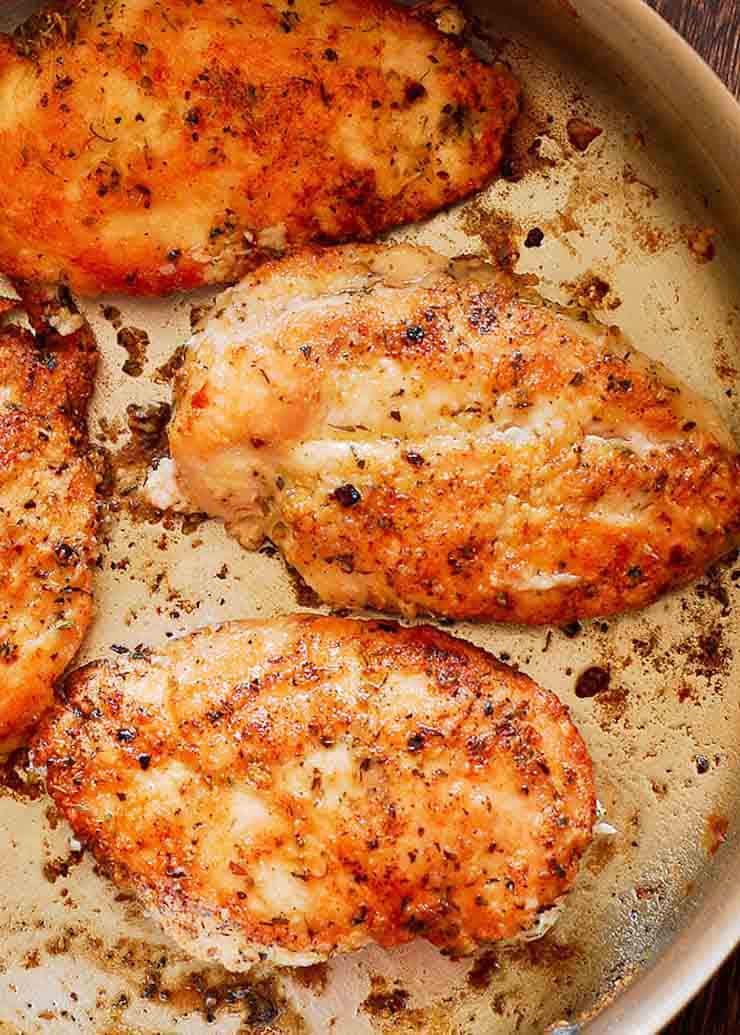
How to pean sear chicken to perfection
- Prepare the chicken: Thoroughly pat chicken breasts dry with paper towels to remove excess moisture, which prevents browning.
- Mix the chicken coating: In a large bowl, combine flour, salt, pepper, garlic powder, onion powder, and Italian seasoning. Stir to blend evenly.
- Coat the chicken: Using tongs or forks, dredge each chicken breast in the dry mixture until evenly coated. You can also coat the chicken by tossing it with the flour. Use either a plastic bag, a paper bag or a plastic container with a lid. Shake off excess flour.
- Heat the pan: Warm 2 tablespoons of olive oil in your skillet over medium-high heat until hot but not smoking.
- Cook the chicken: Place coated chicken breasts in the skillet and cook for 4 to 5 minutes without moving them. Flip once and cook for another 4 to 5 minutes until golden brown and fully cooked through. Internal temperature should reach 165°F (74°C).
- Rest before serving: Remove chicken from the skillet and allow to rest for a few minutes to seal in juices.
Easy Pan-Seared Chicken Breast
CLICK on STARS to REVIEW the RECIPE, then CLICK OK
Ingredients
- 4 chicken breasts (thin, boneless and skinless)
- ½ cup flour
- 1 teaspoon sea salt
- ¼ teaspoon black pepper
- 1 teaspoon garlic powder
- 1 teaspoon onion powder
- 2 teaspoons Italian seasoning
- 2 tablespoons olive oil
Instructions
- Paper towel dry your thin chicken breasts (if you bought thick ones, make sure to butterfly each one). In a large bowl, combine flour, salt, black pepper, garlic powder, onion powder and Italian Seasoning. Stir well to blend.
- Using a fork or tongs, coat the chicken breasts in the flour mixture and set aside.
- Heat 2 tablespoons of olive oil in a large skillet over medium-high heat. Once the skillet is hot, place flour coated chicken breasts in the skillet and cook for 4 to 5 minutes on each side, until golden brown on both sides and cooked through, turning once between cooking, about 8-10 minutes.
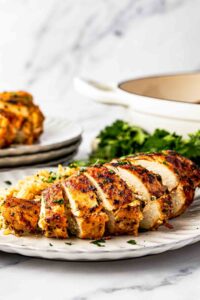
- Remove chicken from pan and serve warm with pasta or vegetables.
Tips for Success
- Maintaining medium-high heat helps achieve a crisp crust without burning.
- Avoid overcrowding the skillet to ensure even cooking.
- Flip the chicken only once to retain crispiness.
- For thicker chicken breasts, consider searing without flour or slow cooking after sear.
Why is my chicken breast dry or overcooked?
- Overcooking is the most common issue. Thin breasts cook faster, ideally just 4-5 minutes per side on medium heat, while thicker ones need 8 minutes per side on medium-low. Always use an instant-read thermometer-stop cooking as soon as the center hits 165ºF for juicy results.
- Slicing or pounding thick chicken to even thickness reduces dry spots.
- Pro Tip: After cooking, add a pat of butter and flip the chicken for a extra-luscious finish.
What if the chicken breast is undercooked (still pink in the middle)?
Cooking time varies depending on thickness and pan heat. Always check the internal temp; if still under 165ºF in the thickest part, return to pan and cook gently on low.
For very thick chicken, lower heat and cover briefly to help the center cook through without burning the outside. Resting chicken after cooking allows juices to redistribute and the temperature to finish rising.
Eating undercooked chicken can cause food poisoning-never eat pink chicken; always verify with a instant-read thermometer!
The outside is burnt, but the inside is raw!
- Heat may be too high for the thickness. Lower to medium-low for thick meats, and avoid overcrowding the pan.
- Pound or slice chicken thinner for more even cooking.
My chicken seems rubbery-what went wrong?
- Under- or overcooking chicken can lead to a rubbery texture. Ensure the pan is hot enough to sear, but cook at a temperature that lets the inside reach 165ºF without rushing or drying out the meat.
FAQ
- Can I use bone-in chicken breasts? Yes, but adjust your method. Sear in the pan, then finish in the oven. Bone-in cuts need more time to cook through safely.
- What oil is best for pan-cooked chicken breast? Use any neutral, high-heat oil: canola, avocado, or vegetable oil. Olive oil works for lower-heat searing.
- How do I keep chicken from sticking to the pan? Ensure the skillet and oil are fully heated before adding chicken. Avoid moving the chicken for 4-8 minutes to allow for a good sear (it will release naturally when browned).
- Can I make ahead for meal prep? Yes! Cook, slice, and refrigerate for up to 3-4 days. Great for salads, pasta, or bowls.
- What's an easy seasoning substitute? Use any of the following: store-bought steak, Cajun, taco, or lemon pepper seasoning.
- How do I prevent uneven cooking? Pound to an even thickness (½-1 inch), or slice thicker breasts horizontally before cooking.
- Can I add vegetables to the same pan? Yes, but sauté separately or after chicken for best results. Cooking both at the same time can steam the chicken or make veggies soggy.
Gluten-Free and Alternative Flour Options
If gluten is a concern, substitute all-purpose flour with:
- Rice flour
- Almond flour (nutty flavor)
- Corn flour
- Potato starch flour
- Gluten-free specialty flour blends
Each imparts a slightly different texture and color but maintains that crisp exterior.
Troubleshooting Common Issues
- Soggy crust after cooking: Avoid covering warm chicken with lids or foil which traps steam.
- Chicken is dry: Likely overcooked or too high heat. Use a meat thermometer to avoid this.
- Coating falls off: Ensure chicken is dry before dredging and don't overcrowd the pan.
- Undercooked inside: Pound to even thickness and monitor internal temperature carefully.
Serving Suggestions
- Toss with Garlic Butter Spaghetti, Spaghetti carbonara or Creamy garlic potatoes
- Serve alongside roasted or steamed vegetables, such as Honey Roasted Carrots or Skillet green beans.
- Slice over fresh Avocado Tomato Salad, grain bowls, or rice.
- Top with herb butter, Balsamic glaze or mustard-wine sauce for extra flavor.
How to Store Pan-Seared Chicken Safely and Maintain Freshness
- Cool Before Storing: Allow the cooked pan-seared chicken breasts to cool for no more than 1 to 2 hours at room temperature before refrigerating. This helps prevent bacterial growth and maintains quality.
- Refrigeration: Store the chicken in the refrigerator at or below 40°F (4°C). Properly stored, pan-seared chicken will stay fresh for 3 to 5 days in the fridge.
- Reheating: Reheat refrigerated or thawed chicken gently on the stovetop over medium-low heat or in the microwave in short intervals to avoid drying it out.
- Use Airtight Containers: Place the chicken in an airtight container or resealable plastic bag to lock in moisture and prevent exposure to air, which can dry out the meat and cause odors.
- Freezing: For longer storage, freeze the chicken in airtight containers or freezer bags. Wrap the chicken tightly in plastic wrap or foil before placing it in the bag or container to protect against freezer burn. Frozen pan-seared chicken can be stored for up to 3 months while retaining optimal flavor and texture.
- Thawing: Thaw frozen chicken safely in the refrigerator overnight. Avoid thawing at room temperature to prevent bacteria growth.



GArmento says
The absolutely best chicken!!!
Sharon says
I added lemon pepper seasoning to my chicken and air fried it. sooo delicious!
Alexa says
So good with broccoli and mushrooms
John says
Used this recipe for years now. I like to have simple recipes on hand for busy nights when I don't have to think or shop for tons of ingredients. this fits perfectly.