

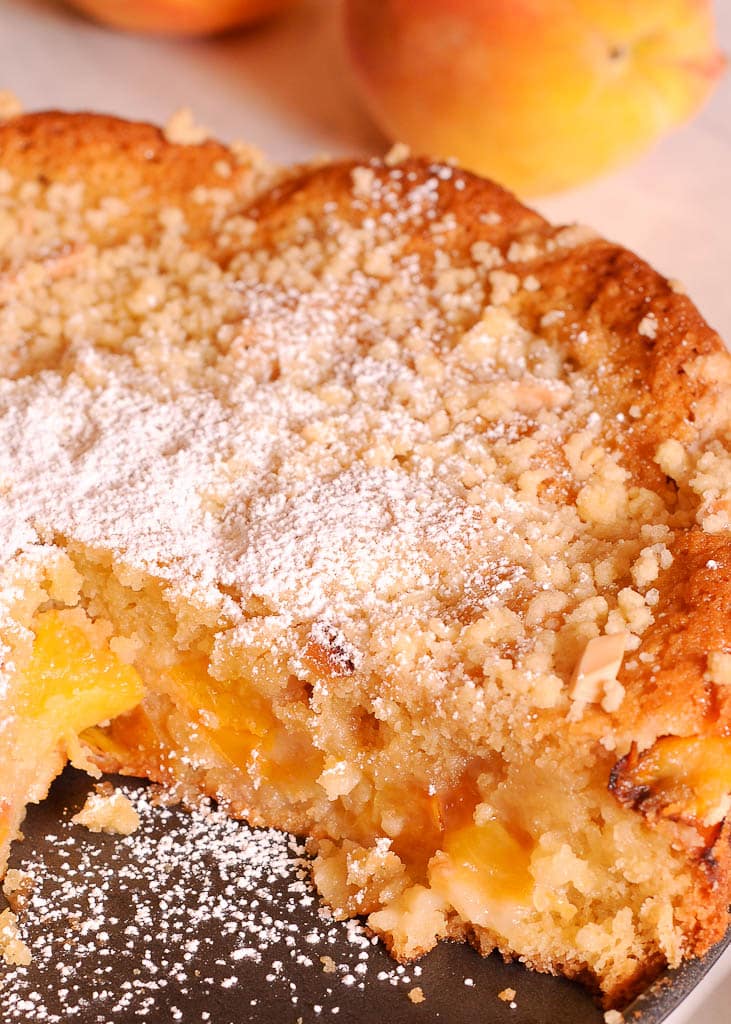
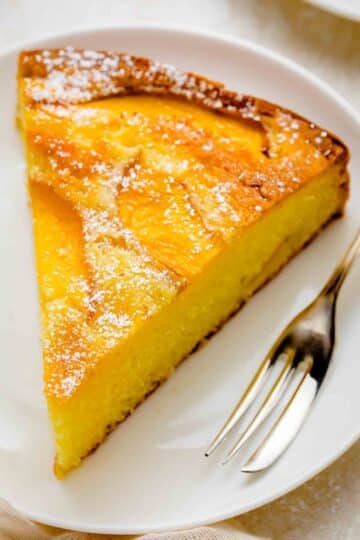
Peach kuchen feels like one of those calm, old‑school desserts that quietly show up and somehow fit every occasion. It's a German peach cake with a soft, creamy base, a layer of juicy peaches, and a crunchy almond streusel on top-simple ingredients, nothing fussy, but the texture makes it feel special whether it's on a brunch table, next to a pot of afternoon coffee, or sitting on the dessert buffet at a summer potluck.
I didn't grow up with peach kuchen, but the first time I baked it, it instantly reminded me of the kind of "coffee and cake" ritual you see in German bakeries: not overly sweet, no towering frosting, just a tender cake you slice thick and eat with a mug of something warm. What hooked me was how forgiving it is. You can use canned, fresh, or even frozen peaches and still get that soft, custardy top and bright fruit flavor. The base stays sturdy enough to hold the fruit, the cream layer barely jiggles when it comes out of the oven, and the almond streusel gives you just enough crunch so it doesn't feel like another plain peach cake. This is the one I pull out when I want a peach dessert that tastes like summer but still feels cozy enough for a slow Sunday afternoon.
Love peaches? Try Peach Cobbler Cheesecake and Cinnamon Peach Yogurt Cake next.
Why you'll love German Peach Kuchen
- Authentic: There are various ways to make traditional German kuchen, but this classic version has almost 3 separate layers: a rolled out batter on the bottom, a peach layer in the middle and a streusel top and uses very few ingredients.
- Perfect with coffee: You will most commonly find Pfirsich Kuchën in any German bakery; Kaffee and Kuchen (coffee and cake) are ingrained in the German culture and also are a huge part of Sunday afternoons in Germany. Enjoy this peach cake with a hot cup of freshly brewed coffee!
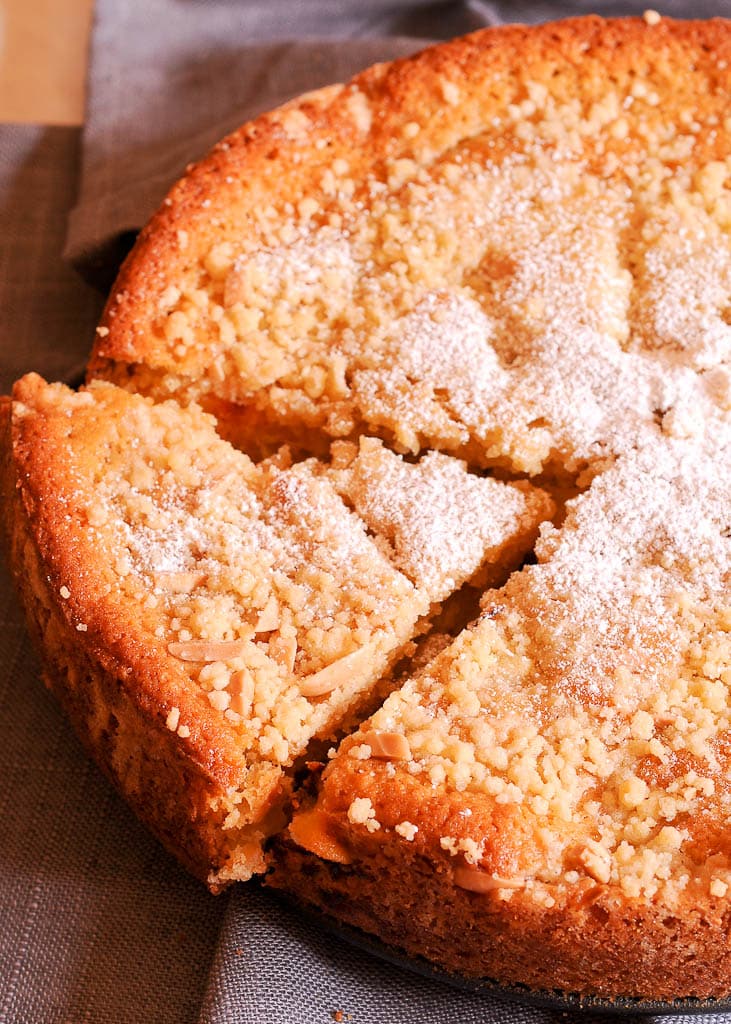
Ingredients (and why I use them)
All-purpose flour: I use regular all‑purpose flour here because it gives the base enough structure to hold the fruit and custard without collapsing. If you've ever had a kuchen where the bottom turned gummy, that's usually a flour/ratio problem. The amount of flour controls how soft or sturdy the crumb is-stick to the recipe if you want that tender, cake‑like base instead of something closer to a biscuit. A 1:1 gluten‑free baking flour can work if you're used to baking gluten‑free, but expect the texture to be a little more delicate.
Sugar: It does more than sweeten. It helps the cake brown into a light golden crust and keeps the crumb soft instead of dry and tough. If you cut the sugar too far, the cake can taste flat and feel a bit "bready" rather than dessert‑like. I stick with granulated sugar here; swapping in brown sugar will give you a slightly denser crumb and a faint caramel note, which is lovely but a tiny step away from the classic style.
Baking powder: This is what keeps the bottom layer from turning into a dense slab. Fresh baking powder gives the batter a gentle lift so the base bakes up soft and light. If your baking powder is old, you'll feel it immediately in the texture-heavy cake, no rise. I use enough baking powder here to let the batter rise up around the peaches and pull some of the streusel into the top. If you prefer a flatter kuchen, you can reduce it a bit.
Salt: A small pinch of salt makes a noticeable difference. It takes the edge off the sweetness and makes the butter and peaches taste more rounded and "finished." If you skip it, the cake can taste one‑note sweet. I use regular fine salt; if you only have salted butter, you can reduce the added salt slightly.
Egg: The egg holds the batter together and gives the crumb that soft, cohesive feel. Without it, the edges can seem dry and crumbly. I use a standard large egg; if you're baking egg‑free, you can experiment with a flax egg, but the texture will be a bit more fragile and less classic coffee‑cake style.
Almond extract or warm spice: Almond extract with peaches is one of my favorite combinations-it gives that gentle bakery‑style aroma without overpowering the fruit. If you don't love almond, a pinch of nutmeg or another warm spice works beautifully. Cardamom is lovely if you like a more floral, lightly spiced note. I wouldn't skip this entirely; a tiny bit of something here keeps the cake from tasting plain.
Cold butter: Cold butter gets cut into the dry ingredients to form fine crumbs, almost like the start of a shortcake or scone. This is what makes the base tender instead of chewy. If the butter warms up too much and starts to melt into the flour before baking, the cake can come out greasy and flat, so I do like to start with genuinely cold butter from the fridge.
Milk (whole or 2%): Milk brings moisture and richness and helps the batter smooth out. Whole milk gives the richest flavor, but 2% is totally fine if that's what you keep on hand. I wouldn't drop down to skim for this one-the cake is meant to feel soft and plush, not lean and dry. If you only have half‑and‑half, you can use it, but the batter will feel a touch thicker.
Almond streusel topping: One of the most popular versions of peach kuchens always include streuselkuchen, made toasted blanched and slivered almonds to make the streusel extra crunchy. In this peach Kuchen recipe, the streusel is sweet, rich and crunchy thanks to the simple combination of almonds, flour, sugar and butter - it just melts when you bite into it, yet the crunch from the almonds makes the bite unforgettable.
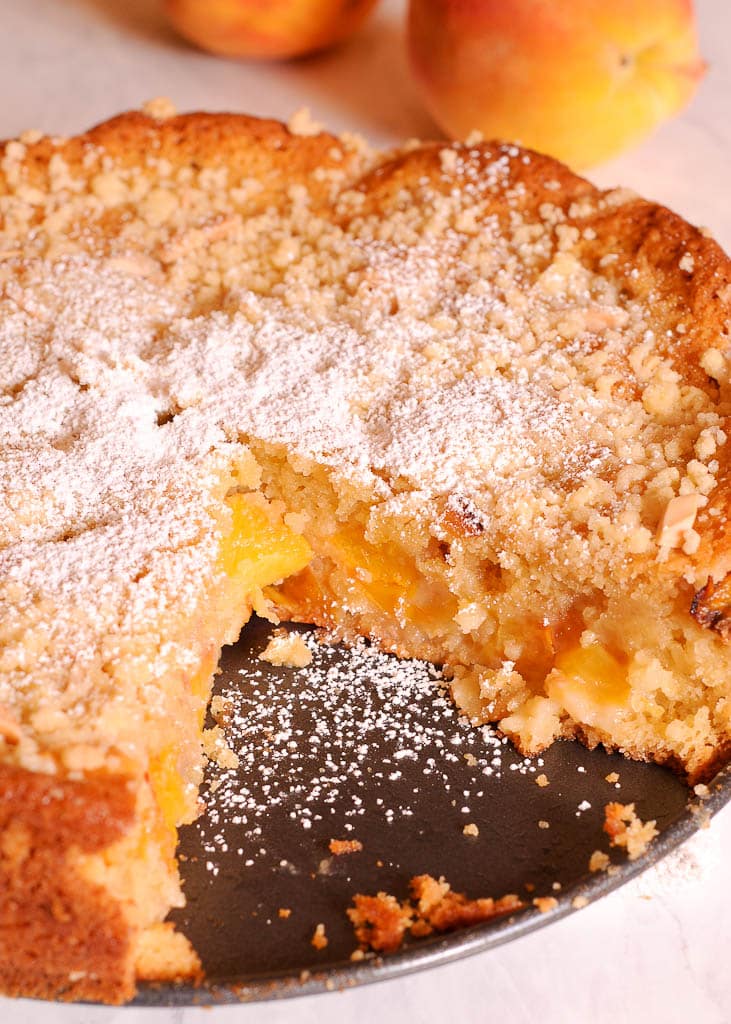
Step-by-Step: How to Make Peach Kuchen
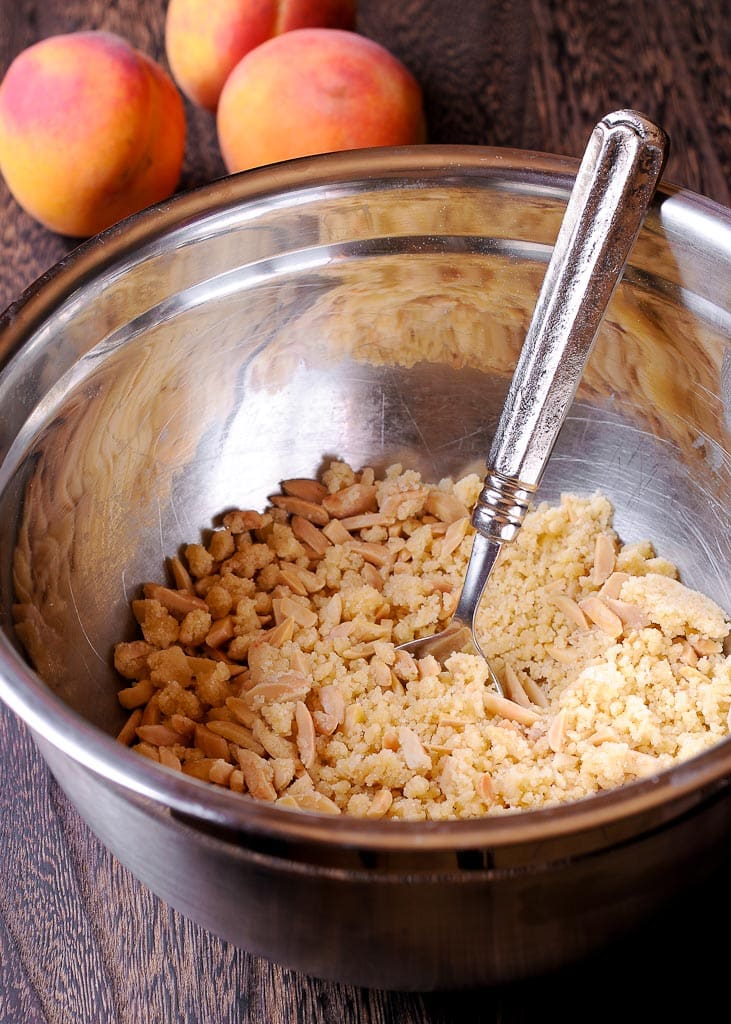
1. Prepare the Almond Streusel Topping. Begin by rubbing the butter into the flour and sugar. Next add the almonds and toss to combine. Set the bowl aside.
2. Combine Dry Ingredients: flour, baking powder and salt in a small bowl and set aside.
3. Mix Wet Ingredients Cream the butter and sugar until light and fluffy. Beat in the almond and vanilla extracts, followed by the egg and milk. Fold in the dry ingredients into the wet ones.
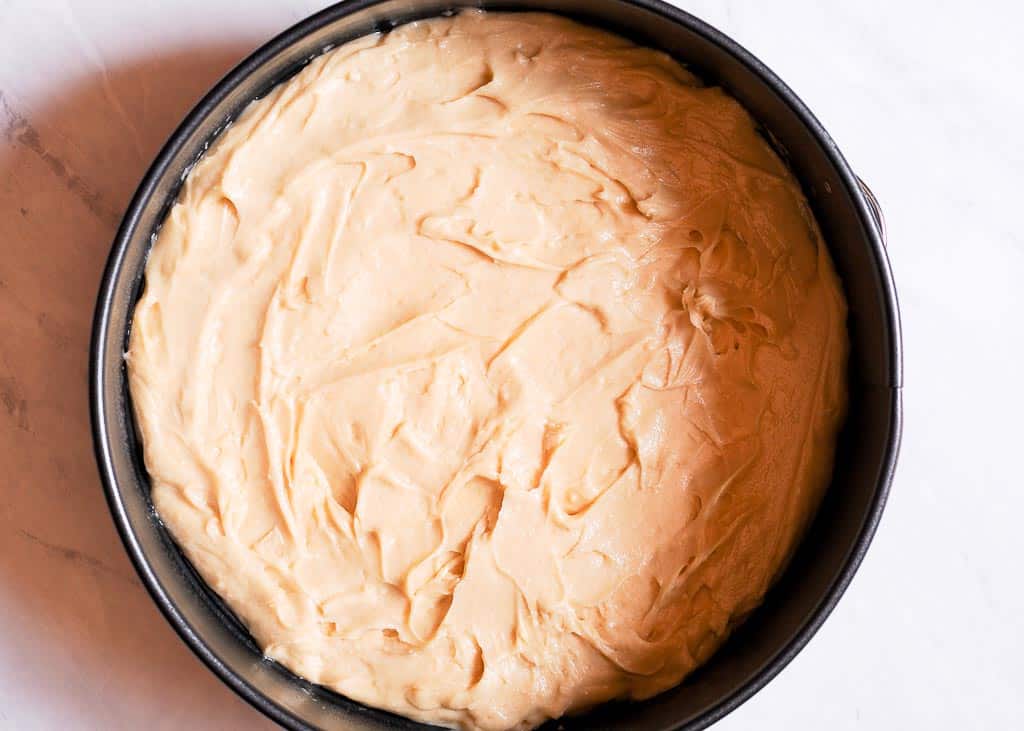
4. Spread the batter in the 9 inch spring form pan.
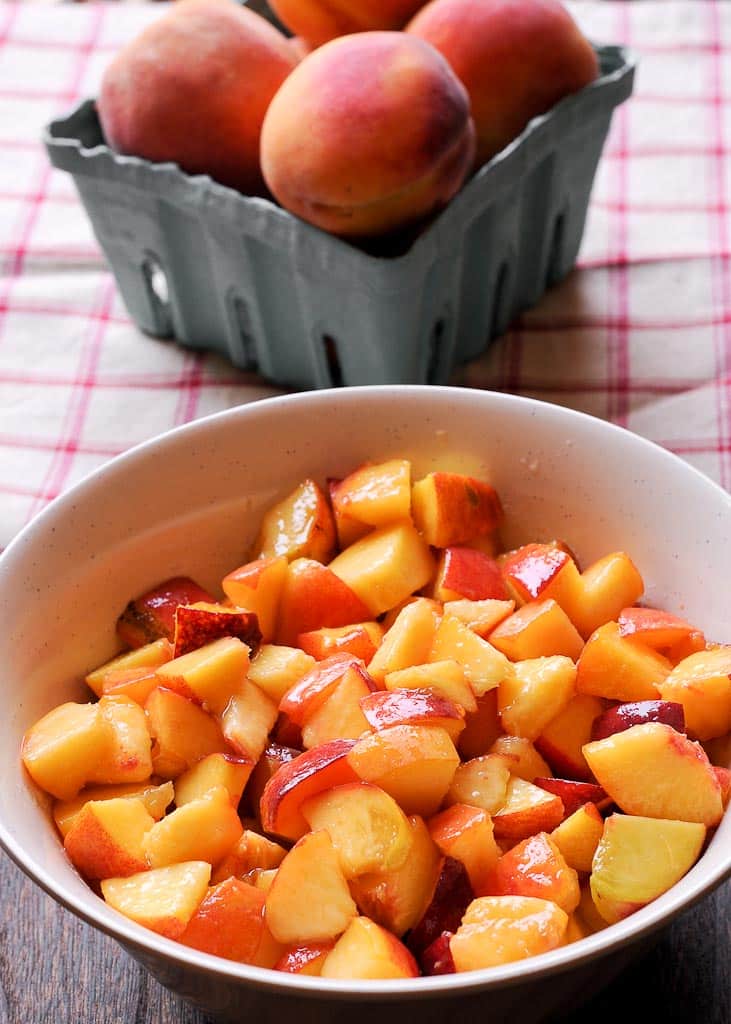
5. Prepare peach filling by mixing sliced peaches, sugar, cornstarch and almond extract in a medium bowl and let sit until peaches release their juices.
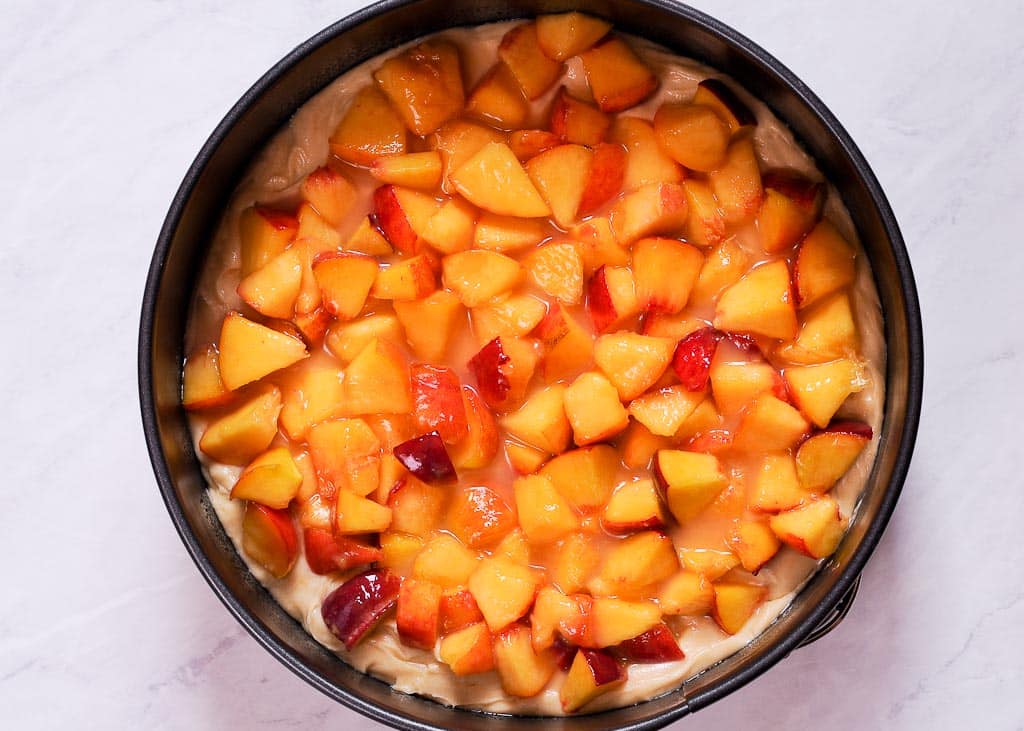
6. Spread the Peach Filling evenly over the batter. DO not use the peach juices as this will make the batter too runny. I usually just drain my peaches right before adding them.
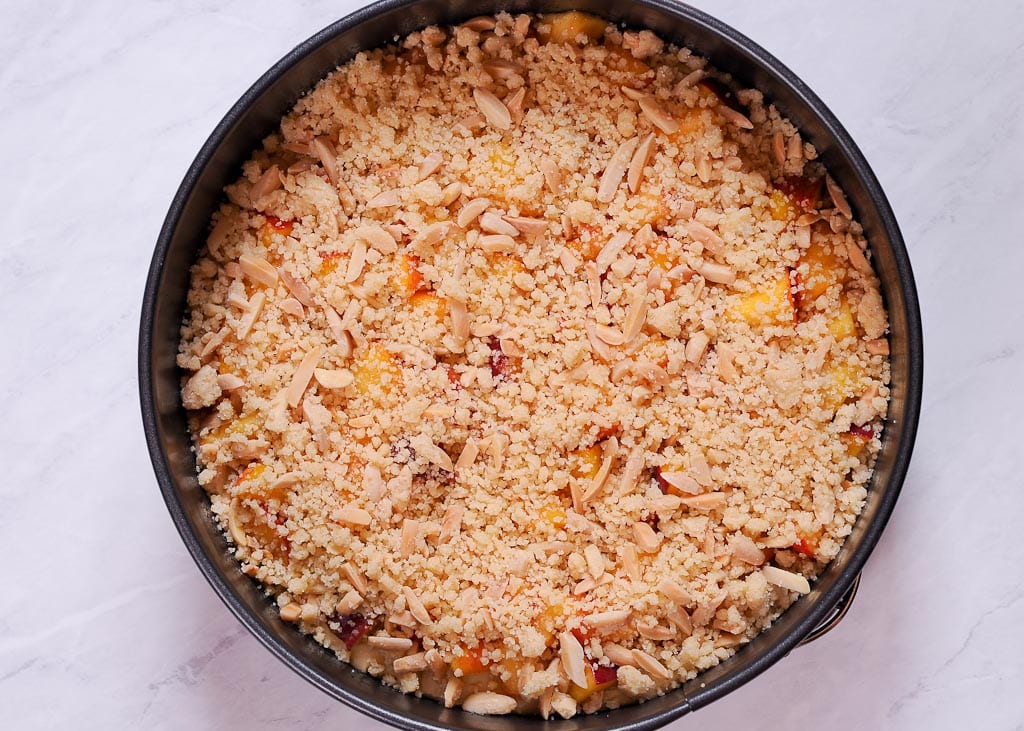
7. Sprinkle the Almond Streusel Topping evenly over the top of the cake. Lots of slivered almonds!
8. Bake until a wooden toothpick inserted in the center of the cake comes out clean, about 35 to 45 minutes.
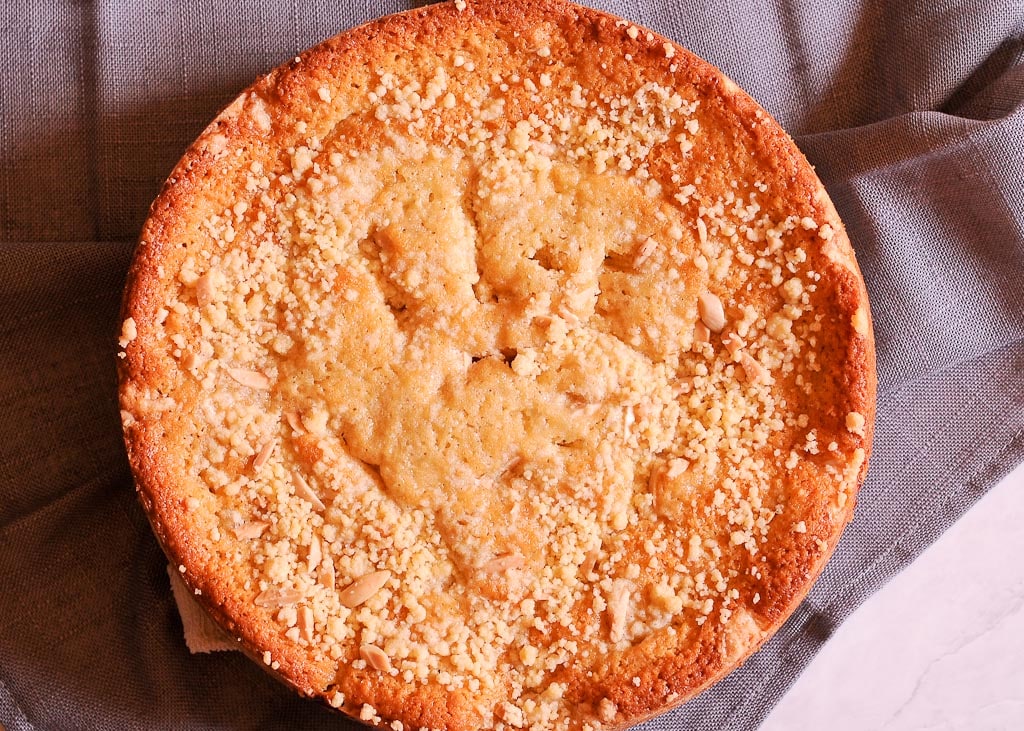
And don't forget to sprinkle with some powdered sugar on top before serving this Peach Kuchen to your guests!

German Peach Kuchen
Ingredients
Peach Filling:
- 2.5 - 3 cups fresh peaches ( chopped into small chunks)
- ½ cup sugar
- 1 tablespoon cornstarch
- ⅛ Teaspoon almond extract
Almond Streusel Topping:
- 3 Tablespoons unsalted butter
- ½ cup all purpose flour
- ⅓ cup sugar
- ⅓ cup almonds (blanched and slivered) lightly toasted and cooled
Kuchen Batter:
- 1 ⅓ cup all purpose flour
- 2.5 Teaspoons baking powder
- ½ Teaspoon salt
- ⅓ cup unsalted butter (at room temperature)
- ⅔ cup granulated sugar
- ½ Teaspoon vanilla extract
- ¼ Teaspoon almond extract
- 1 large egg
- ⅓ cup milk
- 2 Teaspoons powdered sugar (for decorating)
Instructions
Prepare Almond Streusel Topping
- In a small bowl, rub the butter into the flour and sugar. Add the almonds and toss to combine. Set aside.
- Preheat an oven to 350º F. Butter a 9 Inch Spring Form Pan and set aside.
Prepare Kuchen Batter:
- Dry Ingredients: Combine the flour, baking powder and salt in a small bowl and set aside.
- Wet Ingredients: Cream the butter and sugar until light and fluffy. Beat in the almond and vanilla extracts, followed by the egg and milk. Fold in the dry ingredients into the wet ones.
- Spread the batter in the prepared pan. Set aside.
Prepare Peach Filling
- Mix sliced peaches, sugar, cornstarch and almond extract in a medium bowl and let sit until peaches release their juices.
- Spread this peach filling evenly over the batter. DO not use the peach juices as this will make the batter too runny.
- Sprinkle the almond streusel topping evenly over the top of the cake.
Bake
- Bake until a wooden toothpick inserted in the center of the cake comes out clean, about 45 to 60 minutes.
- Cool the cake in the pan for 15 minutes before removing the springform pan. Do not remove earlier than that.
- Serve warm or at room temperature, sprinkled with powdered sugar.
Expert Tips for Success
- Choose the right peaches: If using fresh, pick ones that are fragrant yet firm. Overripe peaches release too much juice and can make the crust soggy.
- Cool before serving: Letting the kuchen rest enhances texture and flavor.
- Dust lightly: A little powdered sugar or drizzle of glaze just before serving looks elegant.
- Because I used plenty of baking powder here, the cake batter will rise quite a bit over the peaches and the streusel will also become incorporated into the cake batter. If you like a flatter Kuchen, reduce baking powder to 1.5 teaspoons.
- Add crunch: Sprinkle almonds or walnuts on top for traditional Bavarian flair.
- Bake on a lower rack: This ensures the crust bakes evenly without burning the crumb.
Variations and Substitutions
- Canned peach kuchen: Drain well to avoid excess moisture.
- Peach blueberry kuchen: Add a handful of blueberries for color and tang.
- Gluten-free version: Substitute 1:1 gluten-free baking flour.
- Vegan adaptation: Use coconut oil instead of butter and a flaxseed egg alternative.
- Other fruits: Try plums, apples, or apricots-common options in German households.
Peach Kuchen FAQ
- Can I use canned peaches to make a Kuchen? You can certainly use canned peaches instead of the fresh ones, just make sure that they are drained of any liquid and use 1.5 cups of canned peaches. You can also use frozen peaches if fully thawed and well-drained first. Excess moisture from frozen fruit can make the custard watery if not removed.
- Can I cook my peaches instead of using fresh? You can also cook your fresh peaches instead. To do that, bring the medium saucepan with peach filling ingredients to medium heat, bring the mixture to a boil, stirring occasionally.
- The liquid will begin to thicken and become translucent. Gently boil for 1 to 2 minutes-until the juices are clear and thick. Transfer to a bowl and stir in the almond extract. Cool completely before using. It is best to make this the day before.
- What kind of pan to use to make peach Kuchen? Make sure to use 9 inch spring form pan in order to easily release the cake after it is done.
- Can peach kuchen be made ahead? Yes. The cake can be baked a day or two before serving and stored at room temperature in a cool kitchen or refrigerated, then brought back to room temperature before slicing.
- Do I need a springform pan? A springform pan gives a beautiful, tall presentation and makes unmolding easy, but a regular cake pan or even an oven-safe skillet works as long as it is well greased.
- Can I use 2% milk or other dairy? Yes. Whole milk gives the richest flavor, but 2% works well in the cake, and half-and-half can substitute for heavy cream in the custard with a slightly lighter result.
- Can I double the recipe? Yes. Doubling works well, but it is better to bake in two separate pans rather than trying to bake a double batch in one pan, which can lead to uneven baking.
- How long does peach kuchen keep? The cake stays moist for several days; it can be kept at room temperature for a couple of days in a cool room or refrigerated for longer storage.
Serving Suggestions
- Serve Peach Kuchen warm or at room temperature with a dollop of whipped cream or vanilla ice cream.
- Pair with coffee or sweet dessert wine for a European-style treat.
- For brunch, present this German cake alongside yogurt and fresh fruit as a lighter option.
Storage and Leftovers
- Room temperature: Peach kuchen keeps well for about one day, covered loosely.
- Refrigerated: Store up to 4 days in an airtight container.
- Freezer: Slice and freeze tightly wrapped portions for up to 3 months. Thaw overnight in the fridge and reheat gently before serving.
bob bakes says
baking recipes should always be in grams, too much variation and errors possible otherwise
Olya Shepard says
You're right, and it's a widely shared view among both professional and serious home bakers.
For example, a cup of flour can vary by 20-30 grams depending on whether it's scooped, sifted, or packed, which is enough to noticeably change a dough or batter's texture. I know that it can amount to up to a 20% difference in ingredient weight using the common "scoop-and-sweep" method with cups.