

Juicy, spiced ground chicken pressed onto skewers and grilled until charred on every side. One bowl, 30 minutes fridge rest, 20 minutes on the grill. The cinnamon you won't taste but can't skip. This is the kofta I kept ordering at Mediterranean spots and I finally nailed beef kofta code at home.
The first time I made chicken kofta without the 30-minute fridge rest, the mixture was warm and soft from handling and every single skewer fell apart on the grill before I could get a flip in. That rest is what gives the breadcrumbs time to absorb moisture from the ground chicken and firm the mixture up - skip it and you are essentially grilling loose meat on a stick Ground chicken, fresh parsley, cumin, paprika, garlic, and a modest quarter teaspoon of cinnamon that you will not identify but will absolutely miss if it is not there. One bowl, 20 minutes on the grill, just like Beef Kofta.
Chicken kofta is one of those recipes I always order at those small mediterranean places and I always wanted to figure out how to make it at home because well, it's a cutlet. A cutlet on a stick and the Russian in me loves cutlets. But it's spice blend that I love most about it- cumin, paprika, garlic, and a small amount of cinnamon that sounds like an odd addition but quietly makes the whole mix taste warmer and more complete. I mix everything together in one bowl, rest the mixture in the fridge for 30 minutes while the grill heats up, then press it onto skewers and cook it until there are char marks on every side and the inside reads 165°F. The fresh parsley within that combination reminds me of Mediterranean mezze platter, and the fact that it comes together in under an hour on a weeknight is unbeatable
The 30-minute fridge rest is the step I want you to take seriously, because it affects kofta's final shape and texture. Ground chicken is softer and wetter than lamb or beef, and when the mixture is warm from handling it doesn't grip the skewer the way it should - mine slid and sagged and I ended up with more kofta on the grill grates than on the sticks. Chilling the mixture firms everything up and gives the breadcrumbs time to absorb the moisture from the meat, which makes the kofta easy to form and sturdy enough to flip without drama. Once that part is handled, the rest of the recipe is genuinely simple: a hot grill, a few rotations, and dinner is on the table in 20 minutes.
If you like the spiced ground chicken idea but want something more hand-held and weeknight casual, Smash Chicken Burger uses the same high-heat grill logic with a format that's easier to feed a crowd.

What Makes Chicken Kofta Different from a Regular Skewer
A regular chicken skewer is chunks of meat threaded onto a stick and cooked through. Kofta is something different - it's a spiced ground meat mixture pressed and formed directly around the skewer, which means the seasoning is distributed evenly through every bite rather than sitting only on the surface. The texture is closer to a juicy sausage than a piece of grilled chicken, and that changes what you can do with the spice blend. You're not just coating the outside; you're building the flavor into the meat itself.
Why Ground Chicken Works Better Here Than Chunks
Ground chicken absorbs the spices and binds with the breadcrumbs and parsley in a way that chunks never could. When you mix everything together, the fat and moisture in the ground chicken distribute through the mixture and carry the spice flavor evenly, so the cumin and paprika and cinnamon end up in the center of the kofta, not just on the grill-marked exterior. Chunks would just taste like seasoned chicken - ground chicken tastes like kofta. The tradeoff is that ground chicken has a higher moisture content than ground lamb or beef, which is why the fridge rest and the breadcrumbs both matter here. Without them, the mixture is too soft to form cleanly.
The Spice Blend - What Each Ingredient Is Doing
- Cumin is the backbone - it adds an earthy, slightly smoky depth that reads as savory without being sharp
- Paprika contributes color and a mild sweetness that keeps the spice mix from feeling one-dimensional
- Garlic adds sharpness and a savory punch that anchors everything else
- Onion powder works quietly in the background, adding body and rounding out the garlic without competing with it
- Cinnamon (or allspice) is the one people ask about most - at a quarter teaspoon it doesn't taste like cinnamon, it just makes the whole blend feel warmer and more complete; I've left it out by mistake and the mix tastes noticeably flatter
- Black pepper adds a mild heat and some textural contrast in the finished kofta
- Fresh parsley is not just garnish - it adds moisture, color, and a green note that keeps the spice blend from feeling too heavy

The Fridge Rest - Why 30 Minutes Makes a Difference
The 30-minute rest in the fridge is the quiet step that decides whether your chicken kofta behaves on the skewer or tries to escape. Ground chicken starts out soft and a little wet, especially once you add herbs, spices, and breadcrumbs. When the mixture is warm from handling, it doesn't grip the skewer well and tends to sag or crack as you try to form it. Chilling it firms everything up, tightens the texture slightly, and gives you a mixture that feels more like a loose sausage than a sticky paste, which is exactly what you want when you press it around a skewer.
What Happens to the Breadcrumbs During the Rest
Breadcrumbs are there to soak up moisture and help bind the mixture, but they can't do that instantly. During the 30-minute rest, they slowly absorb liquid from the ground chicken and the chopped parsley, which thickens and stabilizes the mix. Before the rest, the mixture feels loose and sticky; after the rest, it feels cohesive and holds a shape when you press it onto the skewer. I've formed kofta both before and after the rest, and the difference is obvious in your hands - rested mixture molds cleanly and doesn't slump, while unrrested mixture wants to slide right back off.
Can You Make the Mixture Ahead of Time?
You can absolutely mix the kofta ahead, and it actually works in your favor. Once everything is combined, you can cover the bowl and refrigerate it for several hours or even overnight. The texture will hold up, and the flavor from the spices and garlic will settle in more thoroughly. When I make it ahead, I wait to form it onto the skewers until just before grilling so the skewer surfaces stay dry and the kofta shapes don't flatten in the fridge. The only thing I avoid is leaving formed skewers pressed onto wood for more than a few hours, because the moisture can start to soften the sticks and make them more fragile on the grill.

How to Form Kofta on a Skewer Without It Falling Apart
Forming kofta is the part that looks easy and occasionally isn't, mostly because ground chicken is softer and stickier than ground lamb or beef. The cold mixture helps a lot, but technique matters too. I take a portion roughly the size of a golf ball, flatten it slightly in my palm, then press the skewer into the center and wrap the meat around it, squeezing and rolling it into a thick sausage shape about 4 to 5 inches long. The key is even pressure - if you pack one section tighter than another, the kofta cooks unevenly and the looser end can gap during grilling. Lightly oiling your hands before forming keeps the mixture from sticking and makes the whole process faster and cleaner.


Wood vs Metal Skewers - Which One to Use
Both work, but they behave differently and have different failure modes. Metal skewers are reusable, conduct heat toward the center of the kofta as it cooks, and never burn - if you make kofta regularly, they're worth having. Flat metal skewers are better than round ones because the meat can't rotate freely around the skewer when you go to flip it. Wood skewers work fine as long as you soak them in water for at least 30 minutes before using - dry wood chars quickly on a hot grill and can burn through before the kofta is done. If I'm using wood, I soak them while the mixture rests in the fridge so both steps happen at the same time.
What to Do If You Don't Have Skewers
Skip the skewers entirely and form the mixture into small flattened patties about the size of a slider. They grill the same way, cook in roughly the same time, and eat just as well tucked into pita with hummus and sliced onion. I've also cooked them in a lightly oiled skillet over medium heat, flipping every few minutes until they're cooked through, which works well in winter when the grill isn't the obvious choice. The only thing you lose without a skewer is the visual - the long sausage shape is what makes kofta look like kofta on a plate, but the flavor is identical.
Grilling Chicken Kofta at Medium-High Heat
The grill setup for chicken kofta is straightforward: medium-high heat, oiled grates, and enough patience to let each side develop some color before rotating. Chicken kofta benefits from relatively frequent turning - not the constant fussing you'd avoid with a steak, but more rotation than a chicken breast. The goal is an even, lightly charred exterior on all sides while the interior climbs to a safe 165°F without drying out. Because the mixture includes breadcrumbs and parsley, it retains moisture better than a plain ground chicken patty, which gives you a little more room to build color without the inside turning chalky.
Grill Temperature and Rotation Schedule
I aim for 375°F to 400°F inside the grill - hot enough to get a char quickly but controlled enough to cook the interior through before the outside burns. Once the kofta go on oiled grates, I rotate them every 3 to 4 minutes, giving each side time to release naturally from the grate before I move them. If the kofta sticks when you try to rotate, it usually means it needs another minute - a properly seared kofta will release cleanly without tearing. Total grill time is about 10 minutes for skewers that are roughly 4 to 5 inches long and formed to a consistent thickness.


How to Know When Chicken Kofta Is Done
The only reliable indicator for ground chicken is internal temperature. I pull the kofta when the thickest part reads 165°F on an instant-read thermometer, which is the USDA safe temperature for ground poultry. Visually, the kofta should have char marks on all sides, feel firm when pressed, and show no pink when you cut into the thickest section. After pulling them off the grill, I let them rest for 4 to 5 minutes - the carry-over heat finishes the job and the juices settle back through the meat so the first bite isn't dry.

Grilled Chicken Kofta
Ingredients
Kofta
- 1 lb ground chicken
- ¼ cup plain breadcrumbs
- 3 tablespoon chopped parsley
- 2 cloves garlic minced
- 1¼ teaspoon salt
- 1 tso cumin
- 1 teaspoon paprika
- ½ teaspoon onion powder
- ¼ teaspoon cinnamon or allspice
- ¼ teaspoon coarse ground pepper
- wood or metal skewers for assembling
- canola or vegetable oil for oiling the grill grates
For Serving
- yellow or steamed rice
- pita or flatbread
- sliced red onion
- tomato wedges
- hummus
- tzatziki
- olive oil
- chopped parsley for garnish
- lemon wedges
Instructions
- In a mixing bowl combine all the kofta ingredients until just combined. Cover the mixture and place in the fridge for 30 minutes. This allows the breadcrumbs to absorb some moisture.
- During the last 5-10 minutes of refrigeration time, preheat your grill to medium-high heat. You are aiming for about 375-400 F inside the grill.
- Form the kofta by dividing your mixture into 6 equal pieces. Press the meat around the skewer into a thick sausage type shape about 4-5 inches in length.
- Oil the grates of the grill with canola or vegetable oil and place the chicken kofta on top. Rotate every 3-4 minutes until the internal temperature reaches 165 F. About 10 minutes.
- Remove from the grill and let rest for 4-5 minutes before serving. Serve with desired sides.
What to Serve with Chicken Kofta
Chicken kofta is flexible enough that you can build a plate around whatever you're in the mood for - carb-heavy, fresh and crunchy, or somewhere in between. I tend to think in terms of "something to scoop with," "something fresh," and "something creamy," and a plate that hits all three usually feels complete.
Rice, Pita, and Fresh Accompaniments
A simple yellow rice or plainly steamed rice is the easiest base and catches all the juices that drip off the kofta. Warm pita or flatbread gives you something to wrap the kofta in or use as a scoop, which is especially good if you're serving dips. For freshness, I like sliced red onion, tomato wedges, and a handful of chopped parsley or cilantro. Lemon wedges on the side do more than look nice - a quick squeeze over the kofta right before eating brightens the spices and keeps the plate from feeling heavy. If you want a full meal that already has a grain built in, Chicken Quinoa and Mushrooms makes a natural side that handles the starch and vegetable in one pan.

Sauces - Tzatziki, Hummus, and Simple Yogurt Dip
Tzatziki brings coolness and a bit of crunch from cucumber, which plays well against the warm spices in the kofta. Hummus adds richness and turns the whole plate into more of a mezze situation, especially if you're serving pita. When I don't have either, I mix a quick yogurt dip: plain yogurt, grated garlic, lemon juice, salt, and a drizzle of olive oil. It takes about two minutes and does the same job - adding creaminess and a tangy counterpoint to the grilled meat.
Oven and Stovetop Alternatives
Not every night is a "fire up the grill" night, and chicken kofta handles indoor cooking well as long as you keep an eye on temperature and browning. The mixture is the same; only the heat source changes.
How to Bake Chicken Kofta at 400°F
For the oven, I line a baking sheet with foil or parchment and lightly oil it so the kofta don't stick. Form the mixture onto skewers or into small patties, space them out, and bake at 400°F until the internal temperature hits 165°F, usually 10 to 15 minutes depending on thickness. You won't get grill marks, but you'll still see some browning on the edges and tops. If I want a bit more color, I switch the oven to broil for the last minute or two and watch closely.
Cooking Kofta in a Skillet
On the stovetop, I skip the skewers and form the mixture into small oblong patties that fit comfortably in a skillet. A thin layer of oil over medium heat is enough - hot enough to brown, not so hot that the outside burns before the inside cooks. I cook them a few minutes per side, flipping as needed, until both sides are nicely browned and the center reaches 165°F. This version is handy for weeknights, and the kofta tuck easily into pita or sit on top of rice with a spoonful of yogurt sauce on top. If you enjoy the skillet method and want another quick chicken dinner built around the same one-pan approach, Juicy Chicken Breast walks through the pan-sear technique in detail.
Storage, Reheating, and Make-Ahead Tips
Chicken kofta holds up well for a few days if you store it properly. I let the skewers cool, slide the kofta off if they're on wood, and transfer them to an airtight container; they keep in the fridge for up to 3 days. For reheating, I go gentle: either in a covered skillet over medium-low heat with a splash of water or broth, or in a 300°F oven, covered with foil, just until warmed through. The goal is to bring them back to temperature without chasing more browning - high heat at this stage tends to dry the outside before the inside catches up.
It's also a friendly make-ahead recipe. You can mix the kofta base and refrigerate it for several hours or overnight before forming. The flavors settle in and the breadcrumbs have even more time to soak up moisture. I prefer to form the skewers right before cooking so the mixture stays compact and the skewers don't soften in the fridge. If I know I'll be busy later, I handle the mixing and fridge rest earlier in the day, then grill when I'm ready to eat.

Frequently Asked Questions
Can I use ground turkey instead of ground chicken?
You can swap ground turkey in and the method still works, but the texture and flavor change slightly. I've had the best results with turkey that's closer to 93% lean rather than ultra-lean, because a little extra fat keeps the kofta juicy. The rest of the recipe - spices, breadcrumbs, fridge rest, and grilling time - stays the same. If the mixture feels drier than usual, I add a teaspoon or two of olive oil when mixing.
Do I really need the breadcrumbs, or can I leave them out?
The breadcrumbs are doing more than just stretching the meat; they're helping bind and stabilize the mixture. Without them, ground chicken has a harder time holding its shape on the skewer, especially once it warms up on the grill. If you need a substitute, fine ground oats or crushed plain crackers can stand in, but I keep some kind of absorbent ingredient in there. When I've tried leaving them out entirely, the kofta have been noticeably more fragile.
How do I keep the kofta from sticking to the grill?
Two things matter most: a hot, clean grate and a light coating of oil. I preheat the grill to medium-high, brush or scrape the grates, then wipe them with an oiled paper towel or cloth before the kofta go on. Once they're on the grill, I give each side a few minutes to set before trying to turn them - if they resist when I lift, I wait another minute. When the surface has browned properly, they release much more easily.
Can I freeze chicken kofta, and how should I reheat them?
Yes, chicken kofta freeze well. I cool them completely, arrange them in a single layer on a tray to firm up, then move them into a freezer bag or container, squeezing out as much air as possible. They keep their texture best if you use them within about a month. To reheat, I thaw them overnight in the fridge and warm them in a covered skillet with a splash of water or in a low oven until hot in the center. At that point, I'm more likely to use them in pita or over rice with plenty of sauce, where any small change in texture is less noticeable.
More Chicken Recipes You'll Love
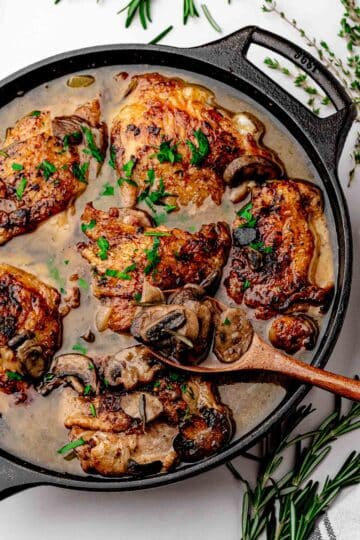
- Rosemary Chicken Thighs - Oven-roasted chicken thighs with rosemary and garlic that give you crispy skin and juicy meat with minimal effort.
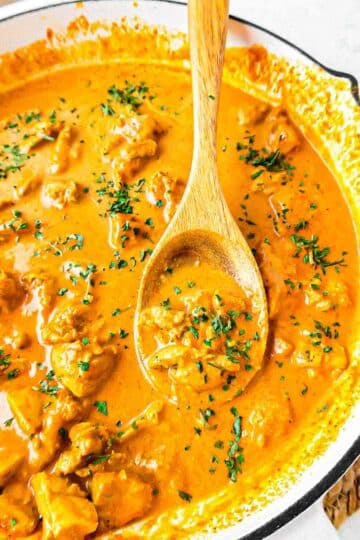
- Creamy Tuscan Chicken - Pan-seared chicken in a rich, creamy sauce with sun-dried tomatoes and spinach that feels like restaurant food without leaving home.
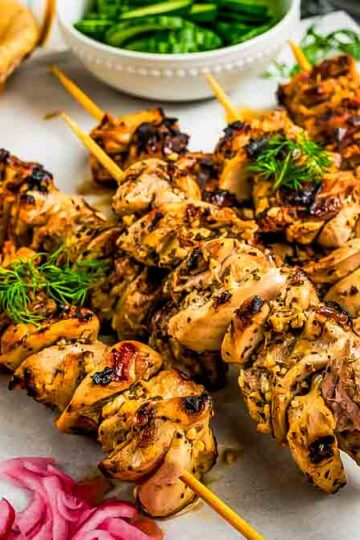
- BBQ Chicken Kebabs - Skewered, marinated chicken grilled until lightly charred and glossy with BBQ sauce, perfect if you like the kofta-style format.
- Crispy Baked Chicken Nuggets - Oven-baked chicken pieces with a crunchy coating and a spicy mayo dip that scratch the fried chicken itch without deep-frying.
Comments
No Comments