
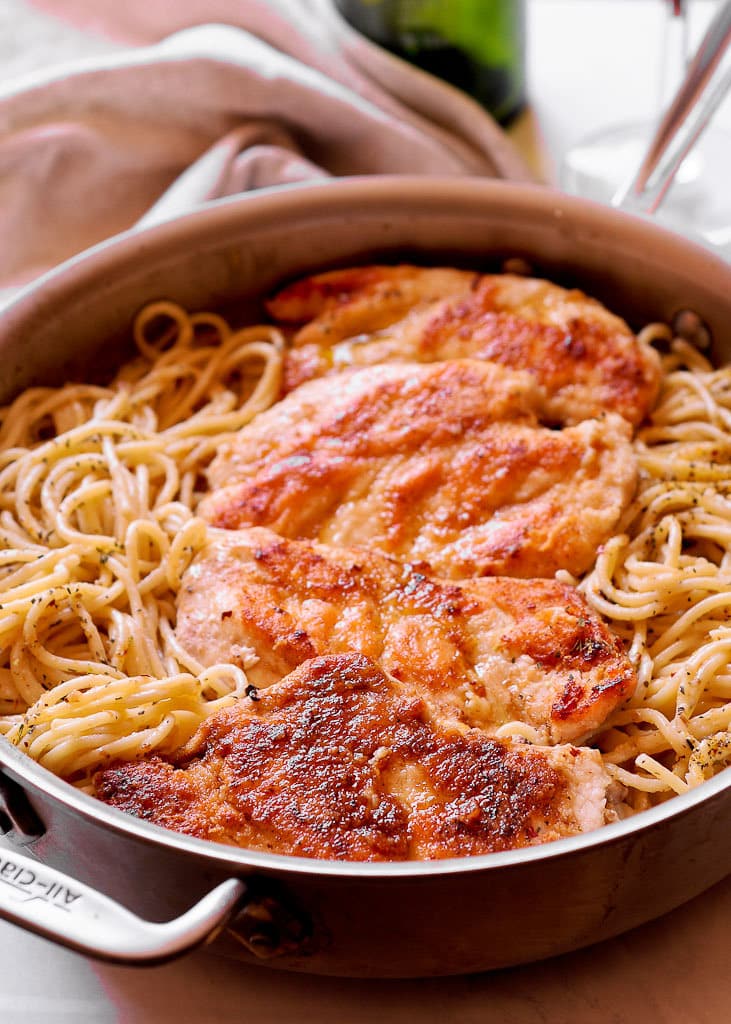
Marsala wine sauce doesn't need mushrooms to taste like something from an Italian-American kitchen table, and this recipe proves it with a butter-and-broth roux built right in the same skillet used to sear the chicken. Thirty minutes, one pan, and pasta coated in a sauce thickened with the leftover dredging flour rather than a separate roux. It's become the version I make when mushrooms feel unnecessary but the craving for Marsala chicken pasta doesn't go away.
When I was in Italy, I never saw Marsala on a single bar menu or wine list - and I don't think chicken Marsala is really something Italians eat, at least not the version most of us know. It seems Marsala is more of a niche pour there, with Superiore and Solera aged bottles clearly meant for sipping, so people do drink it, just not the way it shows up on American dinner tables.
That disconnect is actually part of why I keep making this dish at home the way I want it, mushrooms and all - or in this case, without them. This Chicken Marsala skips the mushrooms and still delivers a full, buttery Marsala wine sauce clinging to pan-seared, garlic-seasoned chicken and pasta - all in about 30 minutes. I've made it mushroom-free for years, mostly because my household is split on them and I got tired of picking around leftovers on the plate. What surprised me the first time I left them out was how much the dry Marsala and pan drippings carry the dish alone - no filler, no distraction from the wine. The sauce comes together in the same skillet used to sear the chicken, using the leftover dredging flour to build the roux, so there's one pan, less cleanup, and no separate sauce base to manage.
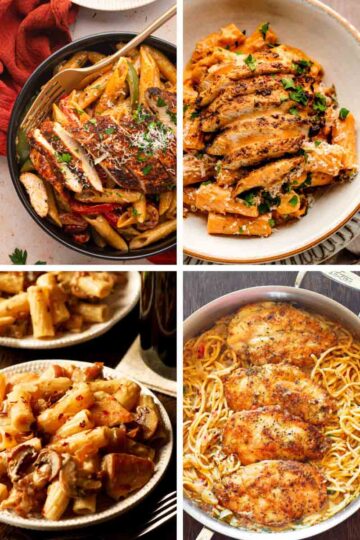
Love Marsala? I cooked this Italian Style Beef Liver with Marsala wine and it was a huge hit! And if you are in Italian cooking mode, then dig deeper in Best Italian Chicken Pasta Dishes.
Why I Skip the Mushrooms
Mushrooms are traditional in Chicken Marsala, but they're not essential to what makes the dish work - the wine is. In my house, half the table picks them out anyway, so years ago I just stopped adding them. Leaving them out doesn't leave a gap; it just means the Marsala wine and pan drippings get to be the main flavor instead of sharing the spotlight. It also simplifies the recipe: no extra step to sauté mushrooms separately, no extra pan, no worrying about them turning rubbery or releasing water into the sauce.
What the Sauce Tastes Like Without Them
Without mushrooms, the sauce leans harder into what's actually driving the flavor: the wine itself. Dry Marsala reduces into something nutty and slightly caramelized, with a faint sweetness that plays against the salt from the pan drippings and the garlic left in the skillet. Because there's no mushroom liquid diluting things or adding earthy, umami weight, the sauce tastes cleaner and more concentrated - butter, wine, and reduced stock first, not a vegetable.
The texture stays just as silky, since the roux comes from the reserved dredging flour rather than mushrooms adding bulk. If anything, the sauce clings more evenly to the chicken and pasta, with nothing chunky breaking up the coating. It's less "mushroom sauce with wine in it" and more "wine sauce, full stop" - which is really the whole case for leaving them out.
Which Marsala Wine Works Best for This Sauce
I've made this with three different Marsala bottles over the years - a mid-shelf Florio dry Marsala, a sweet Marsala I wanted to try once, and whatever dry sherry was already in the pantry during a shortage week - and the differences showed up immediately in the pan, not just on the label. The dry Florio is what I keep buying now, specifically because it reduces down without needing extra sugar correction, and it doesn't fight with the garlic already browning in the drippings.
Dry vs. Sweet Marsala Wine
The one time I used sweet Marsala, the sauce turned noticeably syrupy by the time it reduced - I had to cut it with extra stock and a splash of lemon just to pull it back from tasting like dessert wine over chicken. Dry Marsala never gives me that problem: it reduces into that nutty, slightly caramelized flavor without turning sweet, which matters a lot in this recipe since there's no mushroom flavor left to balance against the sugar. If a bottle isn't labeled "secco" or "dry" on the front, I don't buy it for this dish anymore.
Dry Sherry as a Marsala Substitute
During a stretch when my regular grocery store stopped stocking Marsala for a few months, I ran this recipe with dry sherry instead, four or five times, to see if it actually held up. It does, but not identically: the sherry version comes out slightly sharper and less caramel-toned, so I started adding a small pinch of brown sugar to the roux stage to round out that missing nuttiness. It's a fine substitute in a pinch - I wouldn't say no to it if that's what's in the pantry - but if I have a choice at checkout, I go back to Marsala every time, because the sherry version needs that extra correction step to taste like the same dish.
Ingredients You'll Need
- Boneless, skinless chicken breasts, pounded to an even thickness (I do this myself with a meat mallet - buying pre-thinned cutlets from my store runs almost double the price per pound)
- All-purpose flour, seasoned with salt, pepper, and garlic powder, for dredging (the leftover flour left in the dish becomes the roux base, so don't toss it)
- Butter and olive oil, for searing
- Garlic, minced fresh (I've tried jarred in a rush and could taste the difference in the final sauce)
- Dry Marsala wine (see notes above - this is the one ingredient I don't substitute unless I have to)
- Chicken stock, to loosen the sauce after the wine reduces
- Pasta of your choice, cooked separately and tossed in at the end, cooked al dente. Dig deeper: How to Cook Pasta Al Dente and How Much Salt Should You Add to Pasta Water.
- Fresh parsley, chopped, for finishing
How to Season and Sear the Chicken
I season the flour before the chicken ever touches it - salt, pepper, and garlic powder mixed directly into the dredge, not sprinkled on the meat separately, because I found the coating holds better that way and doesn't clump when it hits the hot pan. After pounding the breasts to an even thickness (uneven cutlets are the reason my early attempts at this recipe used to overcook on one side while the other stayed underdone), I dredge them right before searing, not ahead of time, since letting coated chicken sit too long makes the flour gummy instead of crisping.
I sear in a mix of butter and olive oil rather than just oil, specifically because straight butter burns before the chicken browns and straight oil never builds the same fond on the pan bottom that the sauce depends on later. Medium-high heat, about four minutes a side, until the coating turns a deep golden color - I pull the chicken the moment it's done and set it aside, because it finishes cooking later when it goes back into the sauce, and searing it fully at this stage just dries it out by the time it's plated.How to Make the Marsala Wine Sauce
The sauce starts in the exact same skillet, without wiping it out - every bit of browned flour and chicken fond stuck to the pan is what gives this sauce its depth, and I learned that the hard way after rinsing the pan once early on and ending up with a sauce that tasted flat no matter how much wine I added. Garlic goes in first, just long enough to turn fragrant, maybe thirty seconds, before I pour in the Marsala and let it hit the hot pan hard enough to bubble immediately.
Building the Roux from Leftover Dredging Flour
Instead of measuring out fresh flour for a separate roux, I rely on what's already left in the dredging dish - usually a couple tablespoons clinging to the bottom - and whisk that directly into the butter left in the pan before the wine goes in.
The seasoned flour already has the salt, pepper, and garlic powder built in, so the roux picks up flavor the sauce would otherwise need extra seasoning to reach. I whisk constantly for about a minute until it smells toasted rather than raw, then add the wine slowly so it doesn't seize into clumps.
Dig deeper: How to Emulsify Pasta Sauce with Pasta Water.
Adding the Pasta and Chicken Back In
Once the wine has reduced by close to half and the sauce has thickened enough to coat the back of a spoon, I stir in chicken stock to loosen it before anything else goes back in - adding pasta or chicken to a sauce that's still too thick just means it clumps around the food instead of coating it. The chicken goes in first, spooned over with sauce and left to simmer another few minutes so it finishes cooking through, then the cooked pasta gets tossed in directly in the skillet rather than plated separately and sauced on top. I finish with parsley right before serving - added any earlier, it wilts into the sauce instead of staying bright on top.

Chicken Marsala Without Mushrooms
Ingredients
Chicken:
- ½ cup all-purpose flour (used for coating chicken and thickening the sauce)
- ½ teaspoon sea salt
- ½ teaspoon black pepper
- 1 teaspoon garlic powder
- 2 tablespoons olive oil
- 2 boneless skinless chicken breasts (halved to make 4 fillets)
Marsala Sauce:
- 1 tablespoon unsalted butter
- 1 tablespoon all purpose flour
- ¾ cup Marsala wine (or dry Sherry)
- 1 cup sodium free chicken broth
- ½ teaspoon garlic powder
- ½ cup heavy cream
- ¼ teaspoon salt (more if needed)
- 1 teaspoon Italian seasoning
Instructions
Chicken
- Mix the flour, salt, garlic powder and pepper in a shallow bowl. Dredge the chicken in the flour mixture and shake off excess.
- Heat olive oil in a large 12-inch skillet over medium-high heat. Fry 2 of the chicken breasts until golden-brown on both sides (about 3 to 4 minutes per side). Transfer to warm plate, tent with foil and keep warm.
- Repeat the same with the remaining 2 chicken breasts.
Pasta
- Boil pasta in salty water, drain, but do not rinse. Set aside.
Marsala Sauce
- In the same pan melt 1 tablespoon of butter. Add 1 tablespoon flour (you can use leftover flour from dredging the chicken) and cook flour until it's no longer white, about 1-2 minutes.
- Pour in the Marsala and the broth and simmer until well incorporated with the flour roux. Add garlic powder, salt and Italian seasoning.
- Pour in the cream, bring to simmering point. The sauce is ready for pasta!
Add Pasta
- Add cooked pasta and make sure that pasta is coated in the sauce. Taste pasta and add more salt, if necessary.
- Add chicken to the skillet, on top of pasta. Cover with lid and reheat on low heat for 2-3 minutes.
- Serve warm.
Notes
Recipe Tips from Testing This at Home
I've made this dish enough times on random weeknights to know where it actually goes wrong, and it's almost never the sauce - it's the chicken drying out from overcooking during the sear. I now pull it from the pan a shade earlier than feels right, since it keeps cooking once it goes back into the sauce, and the couple of times I left it in "just to be safe" it turned rubbery by the time it hit the table.
The other thing I've changed over repeated batches is timing the pasta to finish right as the sauce reduces, not before - pasta sitting in a colander for five minutes while I babysit the roux always came out clumped, and tossing it straight from the pot into the skillet solved that completely.
Here's my The Complete Guide to Pasta Recipes.
A Reader's Brown Sugar Addition (Optional)
A reader emailed after making this with dry sherry instead of Marsala and said a small pinch of brown sugar stirred into the sauce closed the gap between the two - which lines up with what I found testing the sherry swap myself, since sherry runs sharper and less caramelized than Marsala on its own. I haven't needed the sugar when I actually have Marsala on hand, but if you're using sherry as the substitute, it's a small addition worth trying rather than skipping.
Storage and Reheating
Leftovers keep in an airtight container in the fridge for about three days in my experience - past that, the sauce starts to separate slightly when reheated, even gently. I reheat in a skillet over low heat with a splash of chicken stock stirred in, since the sauce thickens considerably once it's cold and a dry reheat in the microwave tends to break it rather than loosen it. I don't freeze this one; the sauce's texture never comes back right after thawing, it turns grainy instead of silky.
Frequently Asked Questions
Is Marsala wine the same as cooking wine?
No, and this is worth checking at the store before you buy. Bottles specifically labeled "cooking Marsala" or sold near salad dressings are usually loaded with added salt and preservatives, which throws off the balance of this sauce since the recipe already relies on salted, seasoned drippings for seasoning. I buy the actual dry Marsala shelved with wine, not the cooking-wine version, and it's made a noticeable difference in how clean the sauce tastes.
Can I use chicken thighs instead of breast?
Yes, and thighs actually cook faster and stay more forgiving than breasts if you're worried about drying the chicken out during the sear. I've swapped in boneless, skinless thighs on nights I only had those on hand, and while the texture is a bit richer and less lean than with breast, the sauce and seasoning steps stay exactly the same - I just shorten the sear time slightly since thighs cook through quicker.
What's a good substitute for Marsala wine?
Dry sherry is the closest substitute I've actually tested in this recipe, though Madeira also works if that's what's in the pantry. Both run a bit sharper and less caramelized than Marsala, so I add a small pinch of brown sugar to round out the flavor when using either one - a fix I only landed on after a reader mentioned trying the same thing.
Christopher Hope says
Just made this-added some brown sugar as someone else suggested. Wonderful. Definitely a keeper.
Olya Shepard says
Yes! Caramel sauce is good for that too.
Jody M says
Excellent! I have 2 adult boys who ate with us, so I doubled this and it was delicious. The only thing I added to the marsala sauce was a tablespoon of brown sugar. Everyone loved it. Thank you.
Olya says
Thank you, Jody - I'm so glad you loved it!