
Great steak isn't about buying the "right" cut at all. I used to think that if I grabbed a pricier ribeye or a thick strip, it had to come out restaurant quality. Not exactly. The cut helps, sure-but what really moves the needle are the small, easy-to-miss mistakes we make at the stove.


If your steaks are turning out gray instead of deeply browned, or dry instead of juicy, there's a good chance you're doing a few of these things too. Let's walk through the big ones I've learned to avoid and what I do instead, in real everyday cooking.
Quick Snapshot: What's Going Wrong
Here's the short version of the issues:
- Trying to sear on high heat in a non-stick pan
- Pouring oil into a ripping-hot pan and watching it burn
- Wrestling a thick steak on the stovetop from start to finish
- Guessing doneness without a thermometer
- Rushing to slice and "check" the center
Mistake 1: Searing on High in a Non-Stick Pan
For a while, I reached for my non-stick skillet for everything-eggs, pancakes, and yes, steak. It felt safe and easy. But searing a steak on high heat in a non-stick pan is rough on both the pan and the steak. The coating isn't meant for that kind of high, sustained heat, and the pan simply doesn't deliver the deep, even browning that cast iron or stainless steel can.
I started noticing that my crust was just okay, not amazing. The heat wasn't as aggressive as I needed, so the steak cooked but never really seared.
What I do instead:
For serious searing, I use a heavy cast-iron or stainless-steel skillet. These pans can handle high heat without damage and hold onto that heat while the steak is in the pan. The difference in crust is immediate: darker, more even, and much more flavorful.
Mistake 2: Searing in a Pool of Oil
My next habit was pouring a generous amount of oil into the pan and letting it heat until the steak could "swim" in it. The problem? When the pan is hot enough for a proper sear, most oils hit their smoke point and burn. That burnt oil leaves a bitter, acrid flavor that clings to the steak's surface, even if the meat itself is cooked nicely.
It took me a while to connect that slightly harsh taste to the oil and not the steak.
What I do instead:
Instead of heavily oiling the pan, I lightly oil the steak itself. I rub a thin layer of a high-smoke-point oil (like avocado, canola, or grapeseed) directly onto the meat. The only goal is to help it not stick-there's no need for a puddle. The pan stays cleaner, the oil doesn't burn as aggressively, and the crust tastes like seared beef, not burnt fat.
Mistake 3: Trying to Finish a Thick Steak on the Stovetop
This one caused so many uneven steaks for me. I'd sear a thick-cut steak (like a big ribeye or strip) on the stovetop and just keep cooking there until I thought it was done. What I ended up with was a thick gray band of overcooked meat around the outside and a center that was either perfect or not quite there-but never consistent.
High direct heat is great for building a crust, but it's not ideal for gently bringing the center up to the right temperature.
What I do instead:
For thick steaks, I sear on the stovetop first, then move the pan to a preheated oven to finish. The oven provides gentler, more even heat, so the inside cooks through without expanding that gray, overdone ring. I get the best of both worlds: a serious crust from the stove and controlled doneness from the oven.
Mistake 4: Not Using a Meat Thermometer
For a long time, I tried to "feel" when a steak was done by pressing on it or cutting into the center. If you're new to cooking steak (or even just not doing it every week), these methods are hard to trust. I'd think it was medium-rare, only to cut into it and find it closer to medium-well-or still pretty raw.
Once I finally started using an instant-read meat thermometer, everything got simpler. No guessing, no poking and cutting, no surprise when I sliced.
What I do instead:
I keep a meat thermometer handy and check the internal temperature in a few places, especially with thicker steaks. I pull the steak from the oven or pan a few degrees before my target temperature because it keeps cooking as it rests. Trusting the thermometer takes all the stress out of "Is this done?" and saves you from over- or undercooking.
Mistake 5: Rushing the Rest (and Slicing Wrong)
After all that effort, it's so tempting to slice right into the steak the second it comes off the heat. I used to do this just to double-check the center. The problem is that all the juices are still pushed toward the middle, and when you cut too soon, they flow straight out onto the cutting board.
Even when I nailed the temperature, cutting early made the steak feel drier than it needed to be. And if I sliced with the grain instead of against it, some cuts felt tougher than others.
What I do instead:
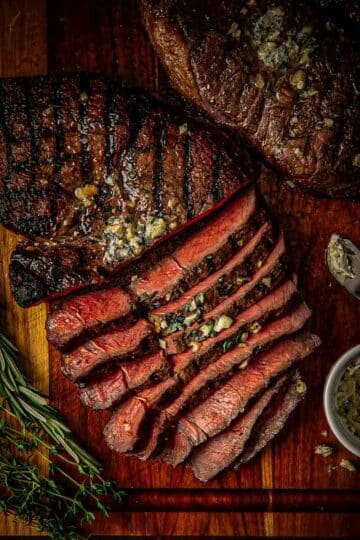
I let the steak rest for about 5-10 minutes, depending on how thick it is, tented loosely with foil. During that time, the juices redistribute through the meat. When I slice, I look for the direction of the muscle fibers and cut against the grain so each bite feels tender.
Steak Cooking Checklist
These changes don't require a steakhouse kitchen or professional training. They're small, practical shifts you can make in a regular home kitchen:
- Use a heavy pan (not non-stick) for high-heat searing.
- Lightly oil the steak, not the pan.
- Finish thicker cuts in the oven after searing.
- Trust a meat thermometer instead of guessing.
- Let the steak rest and slice against the grain.
If your steaks have been turning out dull, gray, or just "fine but not amazing," start with one of these fixes and build from there. Once you see that deep brown crust and taste a juicy center, it's hard to go back to your old way.
Steaks To Cook Next
If all this talk about better searing and juicier centers has you craving steak (same), here are some of my favorite recipes and resources to try next. These will walk you through everything from pan-seared date-night steaks to easy weeknight dinners and "I messed it up, now what?" situations.
- Start with something classic-but-fun like my Peppercorn Steak (Steak Au Poivre Without Cognac). The creamy peppercorn pan sauce turns a simple steak into a restaurant-style dinner at home.
- If you're still unsure about doneness and temperatures, bookmark Steak Doneness Temperatures. It breaks down exactly when to pull your steak for rare, medium-rare, and beyond.
- Want big flavor without a ton of effort? My Chimichurri Marinated Flank Steak is bright, garlicky, and perfect for slicing thin against the grain.
- Curious about whether resting steak really matters? I dig into the science (and myths) in Resting Steak Myths vs Reality.
- If you're in a sandwich mood, try Philly Cheese Steak Sloppy Joes for all the steakhouse flavor in a cozy, saucy bun.
For choosing the right cut and method:
- Not sure which steaks actually do best in a hot pan? I break it down in Best Cuts of Steak for Pan Searing.
- Need more ideas for full meals? Check out Steak Dinner Recipes: Fast, Saucy & Minimal Cleanup for sides, sauces, and complete plates.
- If you're heading outside with the grill, my guide on How to Grill Juicy, Perfect Steak Every Time walks you through timing, temperature, and flare-ups.
- Curious about "cold sear" techniques? How to Cold Sear a Steak (Step-by-Step Guide) shows you exactly how to do it.

Comments
No Comments