
Peppercorn Steak - also known as Steak au poivre - is one of those steakhouse classics that looks impressive but comes together in a single pan in under 30 minutes. This recipe uses filet mignon seared to a deep, caramelized crust and finished in a rich, creamy peppercorn sauce made entirely without brandy or cognac.
If you love Steak as much as I do, try this incredibly easy Pan Seared Sirloin Steak recipe!

Why This Peppercorn Steak Recipe Works
Most peppercorn steak recipes either require cognac for the sauce or rely on a steakhouse kitchen's high-heat setup that's hard to replicate at home. This recipe solves both problems.
The creamy peppercorn sauce skips the alcohol entirely - using Worcestershire sauce and rich beef stock instead - without losing any of the bold, complex flavor the classic French version is known for. And because it's built around filet mignon seared in a single skillet, the entire dish comes together in under 30 minutes with no special equipment required.
Peppercorn steak is all about bold, assertive seasoning on the meat's surface. If you love bold, punchy flavors on steak, this amazing Chimichurri Marinated Flank Steak takes a completely different direction - herb-forward and bright instead of peppery and rich - but delivers the same satisfying intensity.
Craving more Beef recipes? Try the rich and savory Italian Style Beef Liver, smoky Tri-Tip Santa Maria Style, or the ultimate comfort-food classic - Beef Stroganoff.
What is Peppercorn Steak?
Peppercorn steak (often called Steak with Peppercorn Sauce or steak au poivre as the French call it) is a pan‑seared steak served with a creamy sauce flavored with crushed peppercorns, stock, cream, and a splash of brandy or cognac.
If you don't have either on hand, like I didn't - I listed a sea of options to use to replicate same amazing taste of peppercorn sauce - from extra beef stock to Worcestershire Sauce, so keep reading. The sauce itself is built right in the same pan as the steak, so you capture all the savory browned bits for maximum flavor.
If you fall in love with this method and want more ideas, I have a full collection of skillet steak recipes in my Steak Dinner Recipes (Fast, Saucy & Minimal Cleanup) roundup.
What Cut of Steak is Best for Peppercorn Steak?
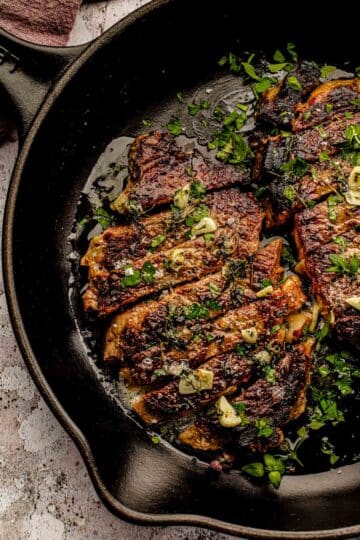
Picking the best cut for peppercorn steak on the stove is simple because you have plenty of great options. Filet Mingon sears beautifully in cast iron for an easy steak au poivre. Other great cuts of steak for pan-searing include New York strip, ribeye, T-bone, and top sirloin.
If you're starting with frozen steak, just thaw it completely in the fridge before cooking for the best texture and even doneness.
If you're looking for a one‑stop resource on steak-cuts, temperatures, and how to cook them-bookmark A Complete Guide to Steak.

Why I Love This Recipe
- This peppercorn steak cooks quickly on the stovetop, locks in all the juices, and feels restaurant-worthy without any fuss. The meat turns out buttery-tender, super flavorful, and easy to customize to your spice and sodium tolerance.
- Keep it simply seasoned with salt, pepper, and crushed peppercorns, or pair it with your favorite steak marinade for extra depth. There's no long marinating time required, so it's ideal for a high-protein weeknight dinner. The same principle behind The Best Garlic Butter Steak Bites in Rich Herb Butter Sauce.
- As much as I enjoy air fryer steak or grilled steak, a hot stovetop pan gives you that classic seared crust and rich peppercorn sauce you just can't beat.
Peppercorn Steak Ingredients
- Steak: I used filet mignon for the best texture and flavor. A thicker steak holds up better to high‑heat searing and stays juicy inside.
- Salt: Enhances the natural beef flavor and helps build a deeply browned crust during searing.
- Oil with high smoke point: A neutral, high‑heat oil lets you sear the steak hard without smoking or burning too quickly.
- Beef stock/broth: Concentrates savory, meaty notes and balances the richness of the cream, giving the sauce body and backbone. A great substitute for brandy/cognac when concentrated in flavor!
- Worcestershire sauce: Creates amazing base and flavor for pan sauce for steak.
- Heavy cream: Provides the lush, silky texture for this filet mignon peppercorn sauce.
- Whole peppercorns (black or green): Crushed peppercorns deliver pops of spicy warmth and the signature aroma of peppercorn sauce. Black peppercorns are bolder, while green peppercorns are milder and more fruity.
- Shallots/garlic: Finely chopped shallots or garlic can be sautéed in the fat for extra savory depth and a restaurant‑style finish.

How to Make Peppercorn Steak
This is an overview with step-by-step photos. Full ingredients, measurements & instructions are in the recipe card below.
1. Season the Steaks
Pat the steaks dry with paper towels. Season both sides with the pepper and salt.

2. Sear the Steaks
- Preheat the pan: Use a heavy‑based skillet (ideally cast iron) and heat it until it's very hot before adding the steak.
- Add oil, then steak: Swirl in high‑heat oil, then immediately add the steak so it sizzles on contact.
- Don't move it too soon: Let the first side sear undisturbed until a deep brown crust forms, then flip. Two well-developed golden sides give you crust and color without sacrificing tenderness - the same principle behind a classic Steak Diane.
- Sear the edges: Stand the steak on its side to render and crisp the fat strip so it's not chewy.
- Cook to your preference: Use touch or an Instant Read Thermometer to reach your preferred doneness (medium‑rare is classic for peppercorn steak).
- Rest the Steaks: Let the steak rest for 5 to 10 minutes before slicing so the interior evens out and stays juicy on the plate. For a deeper dive into why this step matters, take a look at Resting Steak: Myths vs Reality.
For more detail on internal temps, see my Steak Doneness Temperatures Cheat Sheet.

3. Cook Shallots and Garlic
Add the butter, shallots, and garlic to the pan and cook for 2-4 minutes, until the shallots soften.

4. Make Peppercorn Sauce in the Same Pan
- Deglaze with beef stock: Pour in beef stock and simmer until it reduces and intensifies in flavor; this concentrates the savory base of the sauce.
- Stir in cream and peppercorns: Lower the heat, add cream and crushed peppercorns, and simmer gently until the sauce thickens enough to coat the back of a spoon.
- Season to taste: Adjust salt and pepper at the end, remembering the sauce should taste slightly more assertive than you think-once it hits the steak and sides, it balances out.
This is deglazing in action - the broth hits a hot pan and lifts every bit of flavor from the crust right back into your sauce. If you want to understand why this works (and how to do it with any protein), check out my full guide to deglazing a pan

5. Serve
- Plate the steak: Slice or serve whole on warm plates.
- Spoon over sauce: Generously spoon creamy peppercorn sauce over the steak, letting some pool around the edges.
- Finish with fresh pepper: A final sprinkle of freshly cracked pepper can highlight the aroma just before serving.


Peppercorn Steak (Steak Au Poivre Without Cognac)
Equipment
- paper towels
- large skillet
- cutting board
- spatula
- knife
Ingredients
- 4 filet mignon steaks
- 1 tablespoon coarsely ground fresh cracked pepper
- 2 teaspoon salt
- 1 tablespoon olive oil
- 2 tablespoon salted butter
- 1 medium shallot minced
- 5 cloves garlic minced
- 1½ cups beef broth
- 1 tablespoon Worcestershire Sauce
- 1 cup heavy cream
- 1 teaspoon black peppercorns
Instructions
Season the Steaks
- Pat the steaks dry with paper towels. Season both sides with the pepper and salt.
Sear the Steaks
- Heat the oil in a large skillet over medium heat. Add the steaks and cook for 3-6 minutes per side, until browned, and reach an internal temperature of 130°F for medium-rare.
Rest the Steaks
- Transfer the steaks to a cutting board and set aside.
Make Peppercorn Sauce in the Same Pan
- Add the butter, shallots, and garlic to the pan and cook for 2-4 minutes, until the shallots soften.
- Deglaze the pan with the beef broth and Worcestershire Sauce. Stir in the heavy cream and peppercorns. Continue to cook until the sauce has reduced enough to coat the back of a spoon.
Serve
- Serve the sauce over the steaks and enjoy.
The Secret to Steak Au Poivre
The secret to a great steak au poivre isn't the cut of meat - it's the peppercorn crust and how you build the sauce from the pan drippings. The crust is the foundation of the entire dish - it's what gives steak au poivre its signature bold bite, its textural contrast, and the caramelized fond that makes the pan sauce extraordinary. Get the crust right, and everything else follows!
Here's what actually makes the difference:
- Crush, don't grind - peppercorns should be cracked into coarse, uneven pieces using the bottom of a heavy skillet or a mortar and pestle. Pre-ground pepper will burn before the steak is done and turns the crust bitter
- Press the crust in hard - after coating both sides, press the steak firmly with your palm so the peppercorns embed into the meat and don't fall off during searing
- Your pan has to be ripping hot. A properly preheated cast iron or stainless steel skillet is non-negotiable. The crust only sets when the steak makes immediate, high-heat contact with the pan. If the pan isn't hot enough, the peppercorns steam instead of sear - and you lose the crust entirely before the sauce even starts.
- Don't move the steak. Once it's in the pan, leave it completely undisturbed for the full sear time. Moving it breaks the crust before it has a chance to bond to the surface
- Use the fond - the dark, caramelized bits left in the pan after searing are pure flavor. Never wipe the pan clean; deglaze directly into those drippings to build the sauce
- Deglaze directly into those drippings with beef stock and Worcestershire sauce, scraping up every bit from the bottom. That layer of charred pepper and rendered steak fat is what gives the sauce its depth, its heat, and its unmistakable steakhouse richness - no cognac required.
- Let the cream reduce slowly - high heat breaks the sauce; medium heat and patience are what turn it silky and thick
- Season at the end - the sauce concentrates as it reduces, so hold off on final salt adjustments until the last minute before serving
What are substitutions that I can make?
- Olive oil - Grapeseed, coconut, or avocado oil are all alternative options.
- Salted butter - You can also use unsalted butter.
- Beef broth - Beef stock or mushroom stock are substitutes.

Peppercorn Steak FAQ
Is peppercorn steak very spicy?
Peppercorn steak is warmly peppery rather than extremely spicy; using black peppercorns gives a more robust heat, while green peppercorns create a milder flavor.
Can I make the peppercorn sauce ahead of time?
You can make the sauce in advance and reheat it gently, but for maximum flavor, it's best when made in the same pan right after searing the steak so you capture all the pan drippings.
Can I use pre‑ground pepper instead of whole peppercorns?
You can, but the flavor will be less vibrant; whole peppercorns that you crush yourself give peppercorn steak its signature bursts of aromatic heat.
Why is my peppercorn sauce pale or weak in flavor?
The sauce may not have reduced enough, or the stock might be too mild; let it simmer longer to concentrate the flavor and adjust salt, pepper, and Worcestershire or mustard at the end.
What is the best way to cut the steaks? When it comes time to cutting your steaks, you will want to cut them against the grain. Which means you will look at the steak and see which way the fibers of the meat run, and then cut across them, not in the same direction they are running.
What is the best type of skillet to use for cooking the steaks? A well-seasoned cast-iron pan is always a good choice, but a stainless-steel pan or a copper-bottom pan is also a good choice. However, a non-stick skillet will still cook your steak just as well.
How thick should the steaks be? I would recommend getting your steaks at least ½ inch thick. Personally, I prefer them to be closer to 1 inch thick.
Do I need to rest the steak? The steaks will be able to have adequate rest time while you make the sauce. Once the sauce is made, you will be able to move forward by slicing and serving your steaks.

Why Your Sauce Won't Thicken
The most common culprit isn't the cream - it's the beef stock you added before it. I used to pour stock straight into the pan and immediately follow it with heavy cream, wondering why the sauce never came together. The fix was obvious once I slowed down: you have to reduce the stock by at least half before the cream ever touches the pan. If you skip that step, you're diluting the cream from the start and you'll be chasing thickness forever.
A non-stick pan makes this worse. I tested it both ways - non-stick runs cooler than cast iron or stainless, which means slower evaporation and a sauce that never quite bubbles the way it needs to. Stick with the same cast iron you seared the steak in and the reduction happens naturally.
If the sauce is already made and still too thin, don't panic. Whisk one teaspoon of cornstarch with two teaspoons of cold water, stir it in, and give it 30 to 60 seconds at a gentle simmer. It goes glossy and thick almost immediately. It's not the classical French method, but it works, and nobody at the table will know.
How to Stop the Steak from Overcooking Mid-Sauce
The second problem I had was timing. I kept trying to build the sauce and monitor the steak simultaneously, which meant doing both badly. The solution is simpler than it sounds: sear the steak first, pull it 5 to 10 degrees below your target temperature, and let it rest under loose foil while you build the sauce in the exact same pan.
The resting steak climbs in temperature on its own while you're deglazing and reducing - which means the sauce and the steak finish at roughly the same time if you move with any kind of purpose. Don't slice until the sauce is ready. Plate the steak whole, spoon the sauce over or around it at the last second, and serve immediately. The moment you slice too early, you lose the resting juices and the whole thing reads dry.

Best Sauce Liquids
- Beef stock or broth - Classic, savory, and works 1:1 in place of the brandy; in this peppercorn steak recipe I simply increased the beef stock instead of using brandy.
- White wine or dry red wine - Same amount as brandy which is ⅓ cup; keeps that "steakhouse" style if you're okay with alcohol but don't have brandy.
- Apple juice or white grape juice - Good if you want no alcohol at all but a touch of sweetness; use a splash and reduce so it doesn't get too sweet.
- Extra beef stock + Worcestershire - Great no-alcohol option that boosts umami and replaces the depth the brandy would have given.

How do I serve my Peppercorn Steak?
Pair this succulent steak with a side of French fries and a side salad with a light vinaigrette dressing.
How should I store my Peppercorn Steak?
Peppercorn Steak should be stored in an airtight container in the refrigerator for 3-4 days. To reheat, place in a skillet over medium-low heat and add a splash of broth to keep the sauce moist as it heats.
Avie says
The filet mignon turned out so tender and it's such an easy recipe!