

I make this creamy prosciutto pasta on nights I don't want to think too hard about dinner - one skillet, 30 minutes, and it still tastes like something I'd order out. The sauce comes together with just heavy cream, chicken stock, and Parmesan, no wine or flour, so it stays smooth instead of heavy or greasy. Crispy prosciutto and sautéed zucchini round it out, and it's become one of my most-requested weeknight meals.
Love Easy Pasta Dinners? Try Chicken Lazone Pasta and Creamy Chicken Pasta next.

This creamy prosciutto pasta has become one of my favorite ways to turn a handful of simple ingredients into something that feels a lot fancier than the effort it actually takes. I make it on nights when I want dinner on the table fast but don't want to sacrifice flavor - crispy prosciutto, sweet grape tomatoes, and sautéed zucchini all get tossed together in a Parmesan cream sauce that comes together in one skillet. There's no wine and no flour in this sauce, which I love because it means one less ingredient to track down and one less thing that can go wrong. The cheese does the thickening here, so as long as you take your time melting it in, you'll end up with a sauce that's silky instead of clumpy or greasy.
I've made this enough times to know exactly where it can go sideways, and the biggest one is overcooking the prosciutto or adding the Parmesan too fast. Crisp the prosciutto until it's just past soft, then pull it out of the pan so it doesn't turn rubbery by the time everything's plated. And when it comes to the sauce, add your Parmesan gradually over lower heat rather than dumping it all in at once - that's really the difference between a smooth, clingy sauce and one that separates or turns grainy. Once you've got that down, this whole dinner comes together in about 30 minutes, and it's become a regular in my weeknight rotation because it never feels like a compromise between fast and good.
If you love zucchini as much as I do, browse Sweet and Savory Zucchini Recipes as well as try Zucchini Carpaccio and Easy Zucchini Soup.
Key Ingredients and why you'll need them
Olive oil - I go for extra virgin olive oil here since it brings a little richness and a touch of pepperiness that a neutral oil just can't match.
Zucchini - I like to slice mine into half-moons so they cook evenly and pick up some color in the pan without turning mushy. Two large zucchini is usually the right amount, but I'll add a third if mine are on the smaller side.
Prosciutto - I prefer thinly sliced prosciutto for this, cooked the same way I'd cook bacon, until it crisps up at the edges. I always cook it separately and add it back in at the end so it doesn't turn rubbery from sitting in the sauce.
Grape tomatoes - I buy grape tomatoes instead of regular ones because they're sweeter and don't water down the sauce the way bigger, juicier tomatoes can. I halve them so they release just enough of their juice without falling apart.
Penne pasta - I usually keep penne on hand for this, but rotini, fusilli, or bow tie all work just as well if that's what's in my pantry.
Parmesan cheese - I always reach for a block of Parmesan and grate it myself rather than using the pre-shredded kind, since it melts smoother and helps the sauce thicken properly.
Heavy cream - I don't skip this one. A cup of heavy cream is what turns this into a rich, restaurant-style sauce instead of something thin and watery.
How to Make Creamy Prosciutto Pasta
I start by getting my pasta going first, since that's the part that takes the longest and I don't want to be juggling a boiling pot while the sauce comes together. I cook it according to the package instructions, then drain it and set it aside while I work through the rest of the steps.
Crisping the Prosciutto Without Making It Rubbery
I heat about a tablespoon of olive oil in a large skillet over medium-high heat, then add the prosciutto and garlic together. I only let this cook for about 3 minutes, just until the prosciutto turns crisp at the edges and the garlic goes slightly golden, then I pull both out onto a plate right away. I've learned the hard way that leaving prosciutto in the pan even a minute too long turns it rubbery instead of crisp, so I always set it aside early and add it back into the dish at the very end, right before serving. It's a small step, but it's the one thing that keeps the prosciutto crunchy instead of chewy.
In that same skillet, I add my sliced zucchini along with fresh thyme and about half a teaspoon of salt. I let this cook for around 5 minutes total, until the zucchini turns tender and picks up a little browning on both sides. I like using the same pan here since it picks up all the flavor left behind from the prosciutto and garlic.
Building the Parmesan Cream Sauce
Once the zucchini is ready, I pour the chicken stock and heavy cream right into the same skillet and bring it up to a boil. This is when I add the grape tomatoes too, so they warm through without turning mushy or losing their shape. I always go for sodium-free chicken stock so I can control the salt level myself once the Parmesan goes in.
Once everything is warmed through, I stir in the Parmesan and sage a little at a time rather than all at once, keeping the heat on the lower side. I stir until the sauce turns creamy and coats the back of a spoon before moving on to the next step. This gradual approach is what keeps the sauce silky instead of clumpy.
Why the Sauce Separates (and How to Prevent It)
The sauce separates most often when the Parmesan gets added too fast or the heat is too high, which causes the cheese to seize up instead of melting smoothly into the cream. I avoid this by pulling the skillet down to lower heat before adding any cheese, then stirring in small handfuls at a time so each addition has a chance to melt in fully. Freshly grated Parmesan also melts more evenly than the pre-shredded kind, which tends to have anti-clumping additives that can make the sauce grainy.
If the sauce does separate on you, I've found that stirring in a splash more warm chicken stock off the heat can sometimes bring it back together, though it's much easier to avoid the problem in the first place than to fix it after the fact.
Once the sauce is smooth, I add the cooked pasta right into the skillet and toss it through, then season with salt and pepper to taste. Last, I add the crispy prosciutto and garlic back in so they stay crunchy on top instead of softening in the sauce.

Creamy Prosciutto Pasta with Zucchini
Ingredients
Pasta and Vegetables Preparation:
- 2 tablespoon olive oil
- 3 cloves garlic
- 10 oz penne pasta
- 2 oz prosciutto thinly sliced
- 2 large zucchini halved and thinly sliced in half circles
- 1 pint grape tomatoes red and orange, halved
- 2 teaspoon fresh thyme
- 4 leaves of fresh sage
- ½ teaspoon salt
Creamy Sauce:
- ½ cup chicken stock sodium free
- 1 cup heavy cream
- 1 cup Parmesan cheese shredded
Instructions
- Cook pasta according to the package instructions and drain.
- Heat 1 tablespoon oil in a large skillet over medium-high heat and add prosciutto and garlic.
- Cook for 3 minutes until prosciutto is crisp and garlic is slightly browned. Remove both from the skillet onto a plate.
- Add zucchini, fresh thyme and ½ teaspoon of salt and cook for 5 minutes total or until tender and slightly browned on both sides.
- Add chicken stock and heavy cream to the skillet with zucchini and bring it to a boil. Next add tomatoes.
- Once warmed up, stir in cheese and sage and mix well: the sauce will become creamy. Stir in cooked pasta, season with pepper and salt to taste.
- Add cooked prosciutto and garlic back to the skillet and top with Parmesan, if desired.
Notes
- Cook the prosciutto separately from the sauce and add it back in at the very end - this is what keeps it crisp instead of rubbery or chewy.
- Add the Parmesan gradually over lower heat rather than all at once. This is the single biggest factor in whether the sauce stays smooth or separates.
- Freshly grated Parmesan melts more evenly than pre-shredded, which often contains anti-clumping additives that can make the sauce grainy.
- For a gluten-free version, swap in quinoa or brown rice penne - everything else in the recipe is naturally gluten-free.
- Best enjoyed fresh; cream-based sauces can separate slightly after freezing and reheating.
Tips for Making This Recipe
I always cook the prosciutto separately and add it back at the very end, since leaving it in the sauce turns it soft and chewy instead of crisp. I also go for a little extra oil when cooking prosciutto, since it's much leaner than bacon and doesn't render its own fat the same way. When I'm halving grape tomatoes, I do it right before adding them to the pan so they release their juice into the sauce instead of sitting around and going watery. And if I want this completely gluten-free, I swap in quinoa or brown rice penne, which hold up well in the sauce without falling apart.
How to Serve Creamy Prosciutto Pasta
I like to plate the pasta first, then drape the crispy prosciutto and garlic over the top rather than mixing it all in beforehand. This keeps the prosciutto from softening in the sauce and makes it look a little more put-together if I'm serving this for company. A few extra slices of sautéed zucchini on top and a sprinkle of Parmesan finish it off nicely.
Storage and Reheating
I don't love making this one too far ahead, since cream sauces can separate once they're reheated and zucchini tends to turn mushy the longer it sits. That said, leftovers keep in an airtight container in the fridge for up to 4 days, or in the freezer for up to 2 months if I want to stretch it further. When I reheat it, I do small intervals in the microwave, stirring in between, or warm it gently on the stovetop with a splash of water so it doesn't dry out. If I've frozen it, I always let it thaw overnight in the fridge before reheating rather than trying to microwave it straight from frozen.
FAQ
Can I make this without heavy cream?
I've tried swapping in half-and-half when I'm out of heavy cream, and it works, though the sauce comes out a little thinner. If I want to keep it rich, I'll add a touch more Parmesan to help thicken it back up.
Why did my sauce separate or turn grainy?
This almost always happens when the Parmesan gets added too quickly or the heat is too high, which causes the cheese to seize instead of melting in smoothly. I've found that adding it gradually over lower heat, using freshly grated Parmesan instead of the pre-shredded kind, keeps the sauce silky every time.
Can I use bacon instead of prosciutto?
I've made this with bacon in a pinch, and it works, though the flavor comes out smokier and saltier than prosciutto. If I'm subbing in bacon, I cook it the same way, crisping it separately and adding it back in at the end so it doesn't lose its crunch.
Is this recipe gluten-free friendly?
I make this gluten-free fairly often by swapping in quinoa or brown rice penne, which hold their texture well in the sauce. Everything else in the recipe is naturally gluten-free, so it's an easy swap without changing anything else about the method.
Hungry for More Pasta Dinners?
If you're looking for more ways to round out your pasta rotation, here are a few more I make on repeat:
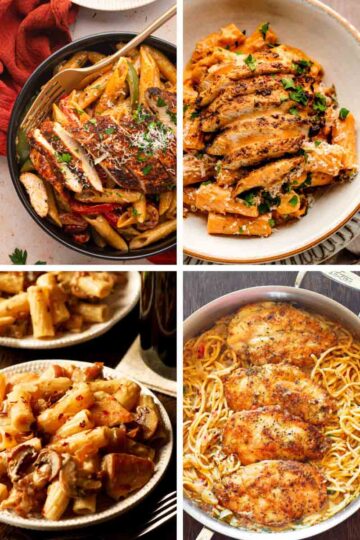
Cheesecake Factory's Louisiana Chicken Pasta - I make this one whenever I'm craving something with a little heat. The Parmesan-crusted chicken over that spicy New Orleans-style sauce always reminds me why I used to order it at the restaurant in the first place.
Pasta Bolognese Ala Vodka - This is my go-to when I want something heartier and a little more indulgent. The sausage and mushroom combination in that vodka sauce makes it feel like a special occasion, even on a regular weeknight.
Spicy Pasta in Creamy Parmesan Wine Sauce - I reach for this one when I want the creaminess of a Parmesan sauce but with a little wine-forward depth and some heat built in. It's become one of my favorites when I'm cooking for people who like things spicy.
Angie says
Can you tell me at which point you add the tomato? Thanks 🙂
Lyndsay says
I wondered the same thing. I added them just at the end to warm them through and it was delicious! If you want them cooked more, maybe add them toward the end of the zucchini step. ?
Olya at Whatsinthepan says
I updated the instructions to reflect tomatoes being added in step 4.
Olya at Whatsinthepan says
Tomatoes are added right after adding milk and heavy cream to the skillet with zucchini (and once it's brought up to the boiling point). That way they will stay in tact and won't be too mushy.
Jennifer Kim says
Made this tonight and was very happy. Very creamy, tomatoes are great in flavoer (I used those small cherry ones) cheese separated, lots of flavor.😢
Terri says
So yummy!
Would you mind sharing how the sage is prepared? Is it like a bay leaf and left whole or sliced?
Thanks?
Olya says
I chopped it!
Wanda says
My family and myself loved this recipe.