
Pork chops are lean, which means there's not much fat to protect them from overcooking - a few extra minutes of heat is often the difference between juicy and dry. The fix is simple: start with the right cut, season generously, cook to an internal temperature of 145°F (not higher), and always let the meat rest so the juices can redistribute. From there, the best cooking method depends on how much hands-on time and browning you want.

If you want to skip straight to tried-and-true recipes, check out 10 Best Pork Chop Recipes on Whatsinthepan - it's a curated list of reader favorites that put all of these techniques into practice in different ways (pan-seared, baked, slow cooker, Instant Pot, and more).
Best Cuts of Pork Chops to Buy
Great technique starts with the right raw material. If you're planning to sear, I highly recommend reading my dedicated guide on which pork chop cuts are best for pan searing - thickness and cut type make a bigger difference than most people realize.
For juicy, flavorful pork chops, thick bone-in cuts are your best starting point. Look for:
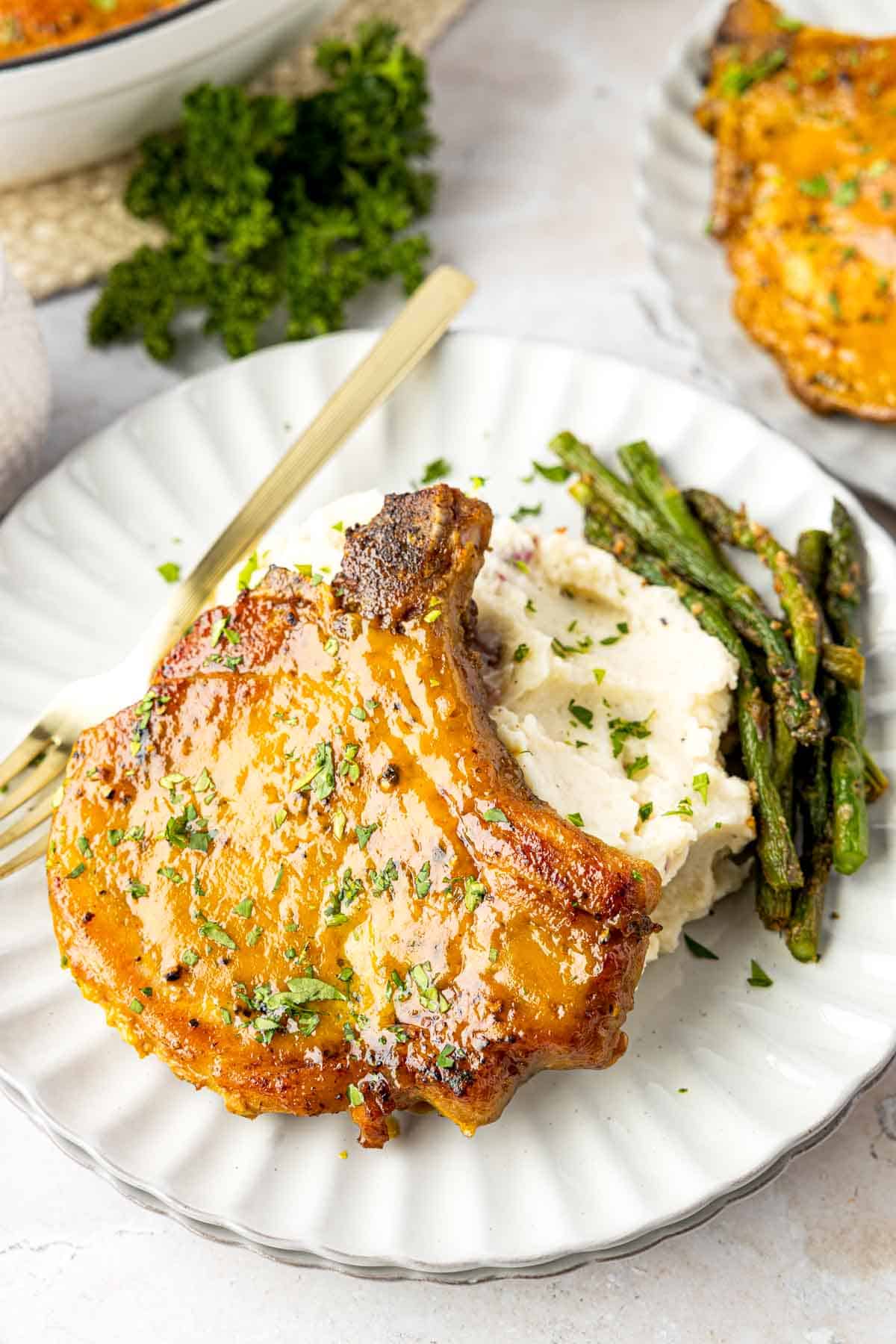
- Bone-in rib chops - Great marbling and a curved bone along one side; excellent for pan-searing, baking, and grilling because the bone and fat cap help keep the meat moist.
- Bone-in center-cut loin chops - A little leaner than rib chops but still tender; ideal all-purpose chops that work with almost any method.
- Thick-cut boneless loin or center-cut chops - Convenient and easy to eat, but slightly leaner; choose chops at least 1 inch thick and avoid very thin "fast fry" cuts if you want a juicy, blush-pink center.
Very thin chops (½ inch or less) cook through in minutes and are easy to overdo, so reserve those for quick pan-frying where crisp edges are the goal and you're not chasing a steak-like center. For braised, fall-apart recipes in the slow cooker or Instant Pot, look for shoulder or blade chops with more visible fat and connective tissue - those cuts are built for low-and-slow cooking.
If you want a full step‑by‑step on turning a whole pork loin into nothing but pork chops (so you can control the thickness and the cut), check out my guide: Stretch One Pork Loin Into a Week of Cheap, Delicious Pork Chops.
Pork Chop Cooking Temperatures and Doneness
No matter which cut you buy, doneness is non‑negotiable. Modern pork is safe and tender at 145°F with a 3‑minute rest, not the old well-done gray most people remember.
Use a digital thermometer inserted into the thickest part of the chop (avoiding the bone) and pull it from the heat right as it hits 140-145°F; carryover cooking during the rest will finish the job.
If you're braising shoulder or blade chops in the slow cooker or Instant Pot, go the other direction and cook them all the way to about 190-200°F so the collagen melts and the meat turns fork‑tender.
If you don't have a thermometer, look for chops that feel firm but still springy when pressed and show clear juices with just a faint hint of pink at the center when sliced. That slight blush is exactly what you want for juicy pork.
Pork Chop Cooking Methods (Quick Overview)
Once you've nailed cut and doneness, choose the method that fits your night:
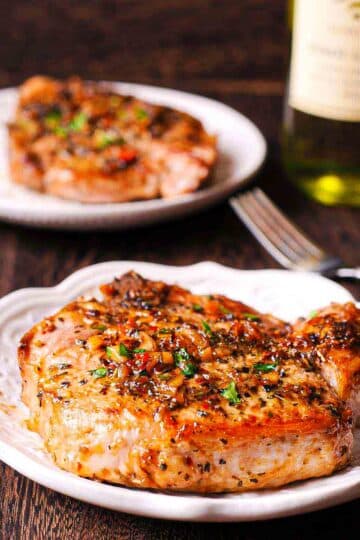
- Pan-seared pork chops - Fast, weeknight-friendly, and the best option for a deep golden crust and quick pan sauce on the stove.
- Oven-baked pork chops - More forgiving and hands-off, great for sheet-pan dinners and thicker chops that need gentle, even heat.
- Grilled pork chops - Add smoke and char, but require close attention to avoid overcooking over direct high heat.
- Instant Pot pork chops - Ideal for quick, braised-style chops in gravy; you trade a hard sear for ultra-tender meat and rich sauce.
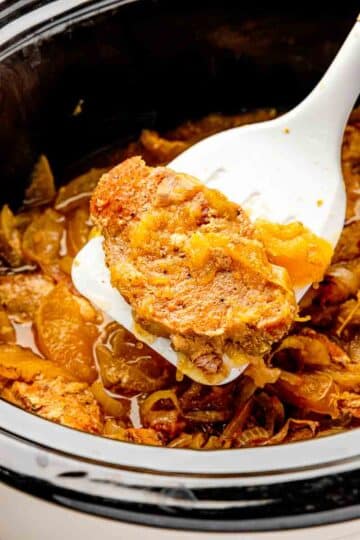
- Slow cooker pork chops - The set-it-and-forget-it route for fall-apart, comfort-food chops that cook low and slow all day.

Comments
No Comments