
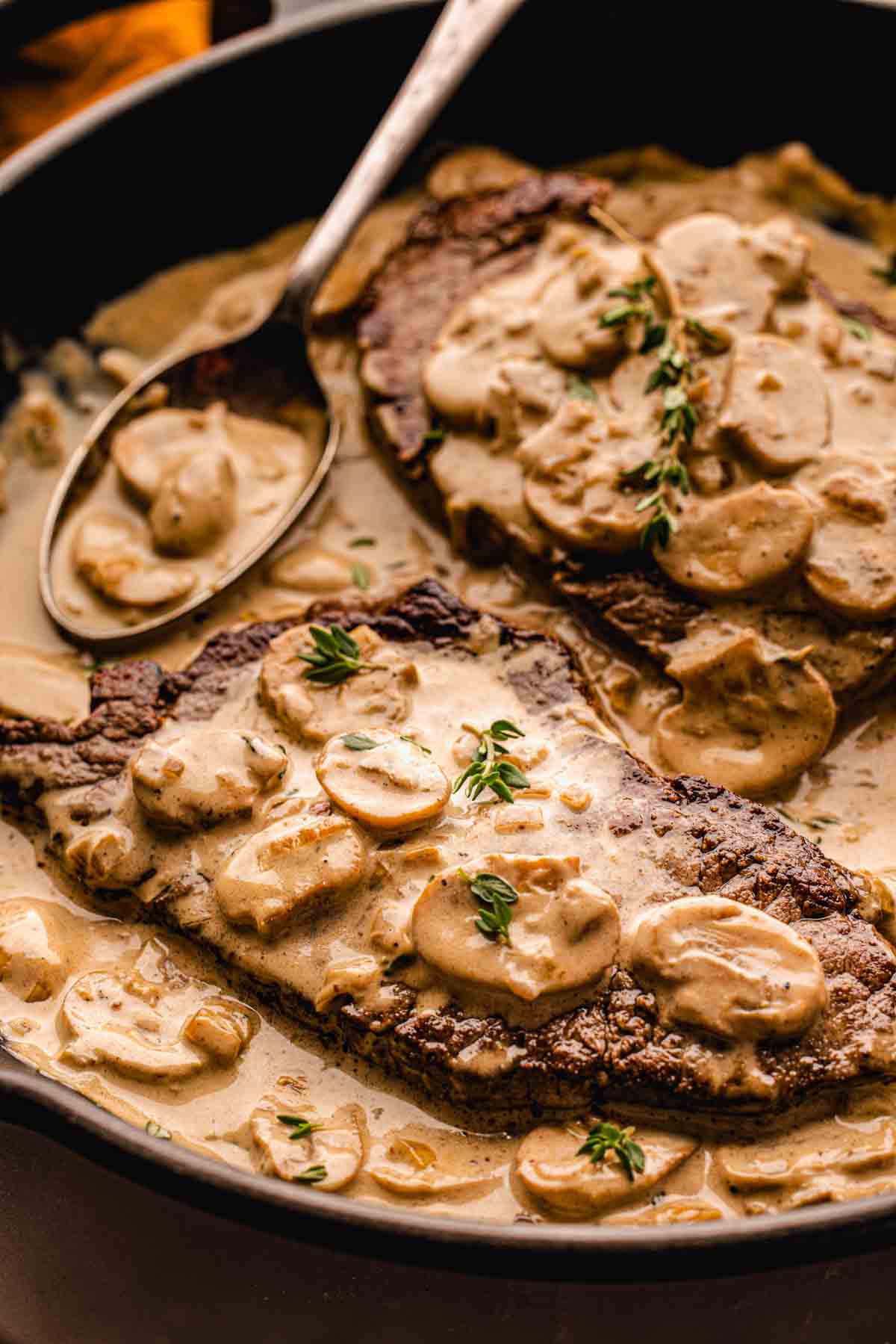
This easy Steak Diane for two turns beef tenderloin medallions into a restaurant-quality dinner in just 30 minutes, with a velvety mushroom Cognac cream sauce, fresh thyme, and a hint of nutmeg that tastes like it came straight off a classic steakhouse menu.
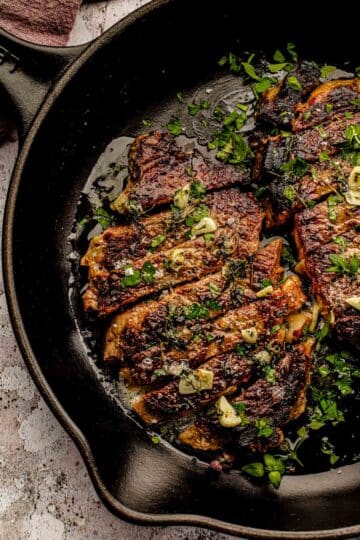
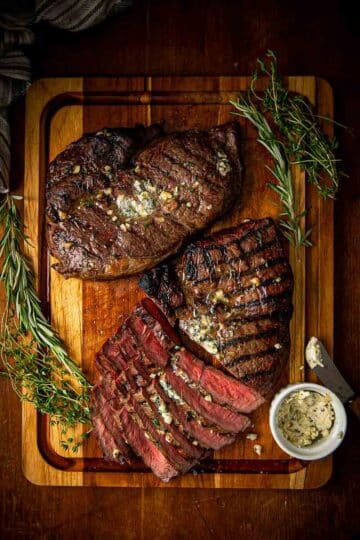
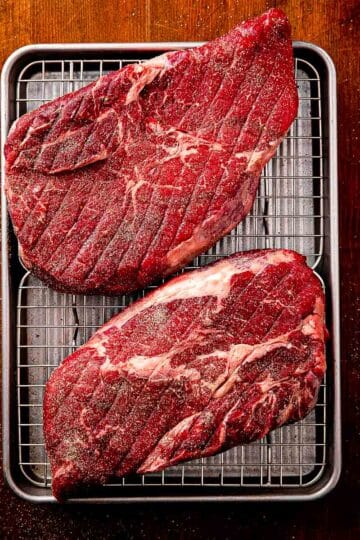
Love Steak? Don't miss Steak Dinner Recipes: Fast, Saucy & Minimal Cleanup for more skillet steaks, pan sauces, and steakhouse-at-home ideas.
Steak Diane is a retro steakhouse favorite made with thin beef tenderloin medallions seared in a hot skillet, then finished in a rich pan sauce built from mushrooms, shallots, garlic, Cognac or brandy, Dijon mustard, Worcestershire, and cream. Unlike many versions that rely on thicker steaks or vague timing, this recipe is designed specifically for ¾‑inch tenderloin medallions so you get a deep, caramelized crust and a perfectly pink, tender center every time.
It's designed to feel like the real thing you'd order in a white-tablecloth dining room, not a simplified weeknight approximation. It's written for two, and every step is driven by technique: a proper sear on tenderloin medallions, a cognac-cream sauce built the classical French way, and not a spoonful of flour or "secret" ingredient in sight-just method, explained clearly.
Fresh thyme and a pinch of nutmeg add a subtle, aromatic finish, and the whole dish comes together in under 30 minutes-ideal for date night, Valentine's Day, or any "steakhouse at home" moment when you want maximum impact with minimum effort.
If you love this kind of steakhouse-at-home cooking, you'll also like Pan-Seared Sirloin Steak, which uses the same high-heat, butter-basting method with a simpler pan sauce.

Why You'll Love This Steak Diane
- 30-minute, weeknight-compatible timing. Thin beef tenderloin medallions sear in minutes and the pan sauce builds right on their browned bits, so you're never waiting on the oven or a fussy reduction; if you're new to this style of cooking, my guide to how to cook steak perfectly every time (pan-sear method) walks you through the basics step by step.
- Perfectly scaled for two. This recipe is engineered around two ¾‑inch medallion steaks, which means more control over doneness, no awkward leftovers, and a plate that looks intentionally restaurant-plated, not downsized.
- Restaurant-quality flavor and texture. High heat, real Cognac or brandy, mushrooms, Dijon, Worcestershire, cream, thyme, and a pinch of nutmeg give you a sauce with steakhouse depth and gloss, without needing demi-glace or specialized gear. If you love bold, herb-forward steak, Chimichurri Marinated Flank Steak is the natural next recipe to try.
For more steak basics, from picking the right cut to nailing doneness, head over to A Complete Guide to Steak.

Ingredients You'll Need
- Beef tenderloin (filet) medallion steaks: Look for small, evenly thick medallions so they sear at the same rate and stay tender from edge to center. Pat them very dry before seasoning; surface moisture makes it hard to build a deep, steakhouse-style crust.
- Kosher salt and freshly ground black pepper: Use salt with larger crystals - they make it easier to sprinkle evenly and less likely to oversalt by accident. Grind the pepper just before cooking for better aroma and flavor, and aim for a medium grind so it clings to the meat without burning in the hot pan.
- Olive oil: Start the sear in oil so the pan can get hot enough without the fat burning too quickly; add the steaks only once the oil looks thin, shiny, and moves easily across the pan.
- Unsalted butter: Combine it with oil for flavor and browning, and use it to baste the steaks and sauté the mushrooms and shallot; watch the color and lower the heat if it starts to darken too fast.
- Shallot: Finely chop it so it melts into the sauce instead of leaving big chunks, and cook it over medium heat so it softens and turns sweet without catching on the bottom of the pan.
- Garlic: Mince it right before cooking and add it after the shallot and mushrooms are mostly done; it only needs a short time in the pan and can turn bitter if it browns.
- Mushrooms: Wipe them clean instead of rinsing under water so they brown instead of steaming, and give them space in the pan so they can develop color and concentrate their flavor.
- Brandy or Cognac: Use a bottle you'd be willing to sip-it doesn't need to be fancy, just not harsh-and let it simmer until the sharp alcohol smell relaxes so the sauce tastes smooth and rounded.
- Beef stock, Worcestershire sauce and Dijon mustard: For the sauce
- Heavy cream: Add it once the pan is at a gentle simmer, not a hard boil, and stir as it thickens so you end up with a sauce that's rich and smooth rather than greasy or split.
- Fresh thyme leaves: Strip the leaves from the woody stems before adding; sprinkle most of them in toward the end of cooking so their flavor stays bright and fresh.
- Nutmeg
Grate it directly into the pan with a fine grater and use only a tiny pinch; you're looking for a subtle warmth that supports the sauce, not a strong, dessert-like flavor. - Fresh thyme sprigs (for garnish)
Choose small, delicate sprigs and add them right before serving so they look vibrant on the plate and add a light herbal aroma without getting wilted.

How to Make Steak Diane for Two
1. Season the steaks
Pat the beef tenderloin (filet) medallion steaks completely dry with paper towels, then season generously on both sides with kosher salt and freshly ground black pepper.


2. Sear the medallions
Heat the olive oil and 1 tablespoon butter in a large skillet over high heat until very hot and shimmering. Add the steaks and sear for 1 ½ to 2 minutes on the first side, until deeply browned with a steakhouse-style crust.
Flip and cook for 1 to 1 ½ minutes on the second side for medium-rare, spooning the hot butter over the steaks during the last 30 seconds. Transfer the steaks to a plate and let rest while you make the sauce.
Curious what's happening inside the meat as it rests? I break it down with side‑by‑side tests in Resting Steak: Myths vs Reality.

3. Cook mushrooms and garlic
Reduce the heat to medium. Add the remaining 1 tablespoon butter to the skillet, followed by the shallot and sliced mushrooms.
Cook, stirring occasionally, until the mushrooms are softened and lightly golden and the shallot is tender. Stir in the garlic and cook for 30 seconds, just until fragrant.


4. Deglaze with Cognac or brandy
Carefully add the Cognac or brandy. Let it bubble for 1-2 minutes, scraping up all the browned bits from the bottom of the pan, until the alcohol smell mellows and the liquid is slightly reduced.

5. Build the Steak Diane sauce
Stir in the beef stock, Worcestershire sauce, and Dijon mustard until fully combined. Simmer for 2-3 minutes, or until the sauce reduces slightly and looks glossy. Pour in the heavy cream and add the fresh thyme leaves.

Simmer gently, stirring, until the sauce thickens enough to lightly coat the back of a spoon. Add a small pinch of freshly grated nutmeg (and a few drops of hot sauce, if using) and stir to combine. Taste and adjust salt and pepper.

6. Return the steaks and serve
Return the beef medallions and any accumulated juices to the pan. Spoon the sauce over the steaks and cook for just 30-60 seconds, until warmed through and nicely coated.


Steak Diane
Ingredients
- 2 beef tenderloin medallion steaks about ¾-inch thick
- kosher salt
- freshly ground black pepper
- 1 tablespoon olive oil
- 2 tablespoon unsalted butter divided
- 1 shallot finely minced
- 2 cloves garlic minded
- 4 oz mushrooms sliced
- 2 tablespoon brandy or cognac
- ½ cup beef stock
- 2 teaspoon worcestershire sauce
- 2 teaspoon dijon mustard
- ⅓ cup heavy cream
- 1 teaspoon fresh thyme leaves
- pinch freshly grated nutmeg
- fresh thyme sprigs for garnish
Instructions
- Pat the steaks dry thoroughly with paper towels and season generously on both sides with kosher salt and freshly ground black pepper.
- Heat 1 tablespoon olive oil and 1 tablespoon butter in a large skillet over high heat until very hot and shimmering.
- Add the steaks and sear for 1 ½ to 2 minutes on the first side until deeply browned. Flip and cook for 1 to 1 ½ minutes on the second side.
- Spoon a little of the butter over the steaks for about 30 seconds. Remove from the pan and set aside to rest.
- Reduce the heat to medium. Add the remaining 1 tablespoon butter, followed by the shallot and mushrooms.
- Cook, stirring occasionally, until softened and lightly golden. Add the garlic and cook for about 30 seconds, just until fragrant.
- Add 2 tablespoons brandy or cognac and let it bubble for 1-2 minutes, scraping up any browned bits from the bottom of the pan.
- Add ½ cup beef stock, 2 teaspoons Worcestershire sauce, and 2 teaspoons Dijon mustard. Stir until fully combined. Simmer for a few minutes until the sauce reduces slightly and becomes glossy.
- Stir in ⅓ cup heavy cream and 1 teaspoon fresh thyme leaves.
- Simmer gently until the sauce thickens and coats the back of a spoon.
- Add a small pinch of freshly grated nutmeg and a few drops of hot sauce, if using. Stir to combine.
- Return the steaks to the pan and spoon the sauce over the top. Cook for 30-60 seconds only, just until warmed through and coated in the sauce.
- Serve immediately, either whole or sliced, with the sauce and mushrooms spooned over the top. Finish with a few fresh thyme sprigs for garnish.
- Enjoy!
What Temperature to Cook Steak Diane To
For tenderloin medallions about ¾‑inch thick, aim for:
- Rare: 120-125°F
- Medium-rare: 130-135°F
- Medium: 140-145°F
Because the steaks finish briefly in the sauce, pull them from the pan 5°F before your target (so around 125-130°F for a medium-rare final temp). Let them rest while you build the sauce; the carryover heat plus the final 30-60 seconds in the sauce will bring them right into the sweet spot.
If you don't use a thermometer, use touch: when pressed, a medium‑rare tenderloin should feel like the fleshy base of your thumb when you touch thumb to middle finger - bouncy with a bit of resistance.
You can also refer to Steak Doneness Temperatures Chart.
How to Avoid Overcooking Thin Steaks
- Start with a very hot pan. You want instant sizzle and color within 30-45 seconds. This gives you a deep crust fast without drying out the center.
- Pat completely dry and don't crowd. Moisture or overcrowding will steam the meat and force you to leave it in the pan longer to get color - which overcooks the interior.
- Use time and visual cues. For ¾‑inch medallions over high heat, 1½-2 minutes on the first side and 1-1½ minutes on the second is usually enough before you rest them.
- Slice just before serving. If you plan to fan one steak on the plate, slice after the sauce step; slicing too early will bleed juices and cool the steak faster, tempting you to reheat and overcook.
Pro Tip: 30-second Steak Return to the Sauce
Once the sauce is glossy and slightly thickened, return the steaks to the pan for just 30-60 seconds, spooning the sauce over the top as they warm. This brief "sauce return" is enough to reheat the meat and coat it beautifully without pushing your perfectly seared tenderloin past medium-rare and into overcooked territory.
Once you're comfortable making this Steak Diane pan sauce, you'll be able to riff on it endlessly. For a simpler but equally luxurious option, try my garlic butter steak bites, which use a garlic herb butter pan sauce instead of cream.
Don't overcook those beautiful steaks in the sauce!

The Right Cut: Beef Tenderloin Medallions
Beef tenderloin medallions - cut from the center of the tenderloin, about ¾-inch thick - are the most precise choice for this dish, and the most authentically steakhouse. They are exceptionally lean and tender with almost no connective tissue, which means they cook fast, sear beautifully, and stay silky rather than chewy when returned to the pan in the sauce.
Avoid substituting with sirloin or ribeye here. Their fat marbling and firmer texture require longer cooking, which completely defeats the quick-sear, sauce-return technique that makes Steak Diane so elegant and fast. Tenderloin medallions are built for this recipe the way a fillet is built for a Beef Wellington - the cut and the method are designed for each other.
Cognac vs. Brandy - Which Is Better?
Cognac is a type of brandy that's smooth, refined, and a little fruity, which makes it especially nice in a creamy pan sauce. A mid-range VS or VSOP bottle is perfect here - no need to splurge.
You can absolutely use regular brandy instead; just choose a decent bottle and avoid anything harsh or overly sweet.
Skip whisky or bourbon, which are much sharper and can overwhelm the Dijon, cream, and thyme. Whatever you use, let it bubble for 1-2 minutes so the alcohol cooks off and the flavor concentrates before you add the cream.

Why No Flour in the Sauce
Most shortcut versions of Steak Diane add flour - sometimes a dusting on the steaks, sometimes a spoonful stirred into the pan - to ensure the sauce thickens reliably. It works, but it costs you something: the sauce becomes heavier, slightly pasty, and loses the glossy, light-coating texture that defines a proper pan sauce.
This recipe thickens the sauce entirely through reduction. The beef stock and cream are simmered until they naturally concentrate, tighten, and cling to the back of a spoon - a process that takes only a few minutes but produces a sauce that is silkier, brighter in flavor, and visually more refined.
The Dijon mustard also acts as a natural emulsifier, helping bind the sauce without any starch needed. If the sauce ever gets away from you and becomes too thin, simply simmer for another minute or two; if it's too thick, add a small splash of stock or cream to loosen it.
No flour means no safety net, but it also means a genuinely restaurant-quality result.
What to Serve with Steak Diane
- Creamy potatoes (you can also use mashed or gratin). Their soft texture is perfect for soaking up every drop of the cognac-cream sauce, and the mild flavor lets the steak and pan juices stay center stage. Also good with sweet potatoes and oven baked french fries.
- Simple green vegetables. Garlic Lemon Green Beans, roasted asparagus, or Honey Roasted Carrots add freshness and a bit of bitterness to cut through the richness of the sauce.
- A sharp green salad. A lightly dressed salad, such as Arugula and Spinach Salad or Blackberry and Avocado Salad with a lemony or Dijon vinaigrette cleanses the palate between bites and keeps the whole plate from feeling too heavy.

Steak Diane FAQs
Can I Make Steak Diane Without Alcohol?
You can skip the cognac or brandy and still get a rich, complex sauce. Swap in extra beef stock plus a teaspoon or two of Worcestershire sauce to deepen the flavor, and add a squeeze of lemon at the end to bring back some of the brightness you'd normally get from the alcohol cooking off. You'll miss a bit of that classic cognac aroma, but the sauce will still read as Steak Diane, not "random cream gravy."
What Cut of Beef Is Best for Steak Diane?
Beef tenderloin (filet) is the classic choice, and for good reason.
It's naturally tender, quick-cooking, and easy to slice into even medallions that sear fast and stay soft after a brief return to the sauce. If you need a backup, look for another tender, relatively lean cut you can cut into small steaks-like sirloin or strip-knowing they'll be a touch beefier and a little less buttery than true tenderloin.
What's the Difference Between Steak Diane and Steak au Poivre?
They're cousins, not twins. Steak au poivre is all about the pepper: a thicker steak crusted in cracked black peppercorns with a cognac-and-cream pan sauce built around that spicy bite. Steak Diane is more about aromatics (shallots, garlic, mushrooms), Dijon, Worcestershire, and herbs, with the spirit playing a supporting role rather than shouting up front. Steak Diane is a softer, creamier, and more herb-driven cousin.
How Do I Store and Reheat Leftovers?
Steak Diane is best right away, but leftovers are workable if you're gentle.
Store sliced steak and sauce together in an airtight container for up to 2 days in the fridge. To reheat, warm everything low and slow in a small skillet over low heat, adding a splash of cream or stock to loosen the sauce; you're aiming for just heated through, not bubbling. Avoid the microwave if you can-high, uneven heat will overcook the steak and can cause the sauce to split.
Comments
No Comments