


It's easy to load up on olive oil and call it a day, but the Mediterranean Diet is just as much about what you pull back on as what you add in.
If you've ever searched "Mediterranean recipes" and assumed anything with olive oil and tomatoes automatically counts as Mediterranean Diet-approved, you're not alone. The truth is, a lot of what gets labeled "Mediterranean" online has very little to do with the actual Mediterranean Diet. In my breakdown of Mediterranean Diet vs. Mediterranean cuisine, I get into the difference between the two; here, I want to zoom in on the flip side of the equation: the foods that quietly push you out of MD territory, even when you think you're doing everything right.
The goal here also isn't to give you an endless list of "no" foods-it's to make more room for the ingredients the Mediterranean diet is actually built around: vegetables, beans, whole grains, olive oil, seafood, nuts, and fruit. If you need a quick reference, I keep them all in one place in my Mediterranean diet foods list.
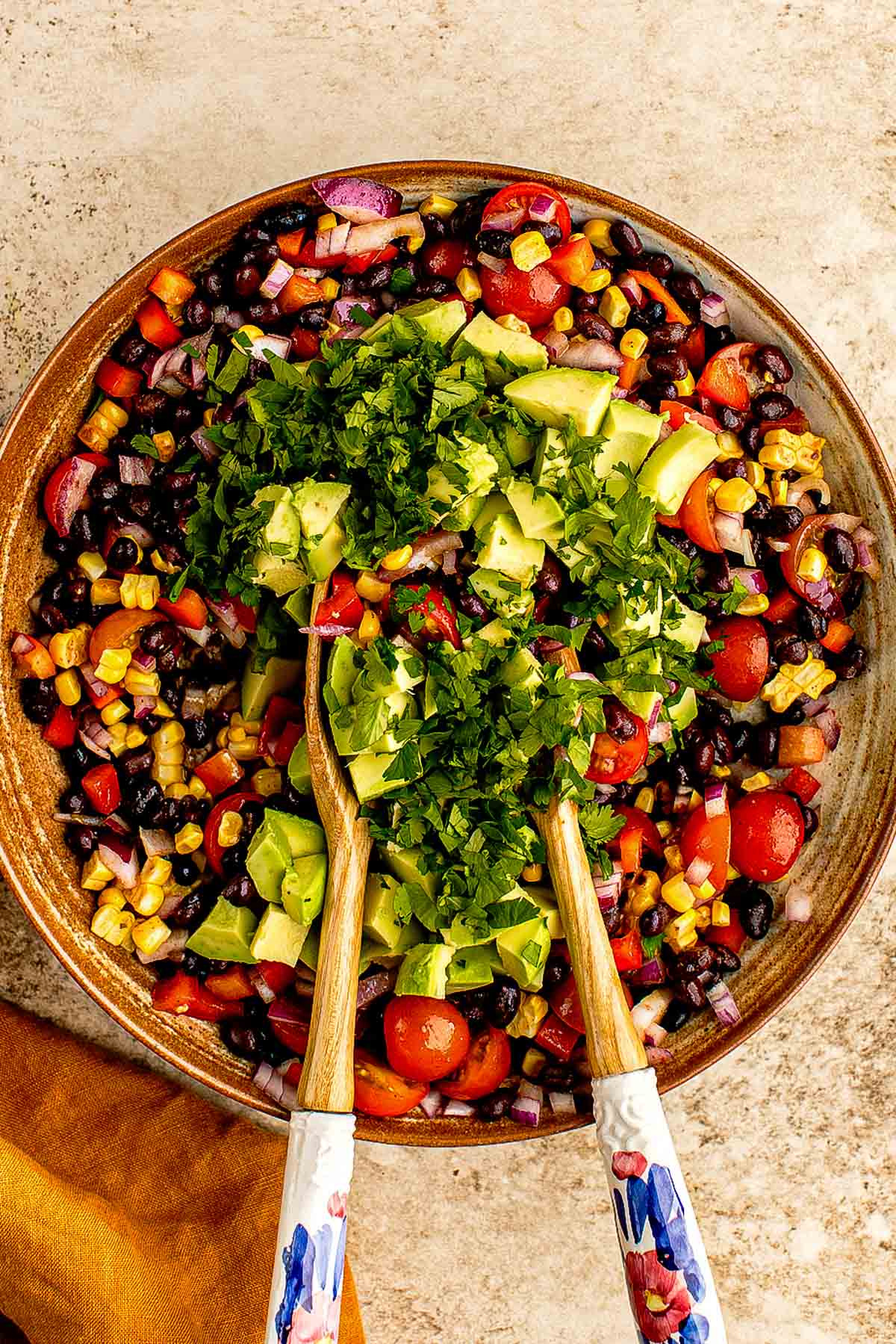
Refined Grains and White Starches
I know, I know - nobody wants to hear this one. But that giant bowl of white pasta you're justifying as "Mediterranean" because it has a drizzle of olive oil on top? It's not doing you the favors you think it is. White bread, white pasta, white rice in large portions, refined crackers, sugary cereals - these digest fast, spike your blood sugar, and give you almost none of the fiber that makes whole grains worth eating.
When pasta actually belongs in a Mediterranean Diet meal, it's whole grain, portioned modestly, and buried under a heap of vegetables. The pasta is the supporting actor, not the main part of the meal.

Red and Processed Meats
This one trips people up constantly, especially when they're browsing "Mediterranean" recipes online and landing on dishes built around heavy meat sauces or oversized protein portions.
Red meat - beef, pork, lamb - isn't banned, but the MD treats it as an occasional thing, a few times a month at most. Processed meats like sausage, salami, pepperoni, bacon, and deli meats are in an even smaller category: the kind of thing you enjoy sparingly, not something you build meals around. If meat is the centerpiece of your plate every single day, you've drifted outside Mediterranean Diet territory regardless of what spices you used.
Butter and Saturated Fats
Switching from butter to olive oil sounds like a small tweak. It isn't. It's one of the most structurally important changes the Mediterranean Diet asks you to make - and I don't think most people treat it with the seriousness it deserves.
Butter, margarine, heavy cream sauces, lard - these aren't the cooking fats of traditional Mediterranean eating. Olive oil is. That shift in fat source affects everything from inflammation markers to cardiovascular health, which is a big part of why the MD has the research record it does.
Added Sugars and Sweets
The Mediterranean Diet doesn't tell you to never eat dessert. What it does ask is that you stop treating sweets as a daily default. Soda, sweetened juices, candy, commercially baked pastries, flavored yogurts with more sugar than a candy bar, ice cream every night after dinner - these are the habits that quietly undermine everything else you're doing right.
In traditional Mediterranean eating, fresh fruit is dessert. A ripe peach or a handful of figs after a meal isn't a consolation prize - it's genuinely how the diet was designed to end.
Ultra-Processed and Packaged Foods
My rule of thumb: if it has a shelf life measured in years and an ingredient list that requires a chemistry degree to decode, it's almost certainly not MD-approved. Chips, packaged crackers made with refined oils, frozen meals, sodium-loaded jarred sauces, fast food in any form - the MD is built around whole, minimally processed ingredients.
The kind of things you'd actually find at a farmers market or a small grocery in coastal Sicily, not a vending machine in an airport.
Excess Alcohol
The Mediterranean Diet's association with red wine is real, but it gets wildly overstated. A moderate amount of red wine - one glass per day for women, up to two for men, with a meal - is what the research supports.
Beer, spirits, and sugary cocktails don't carry the same association, and drinking heavily in any form is firmly outside MD principles. If you don't drink, there's absolutely nothing in the MD that requires you to start.
Mediterranean-Inspired Favorites
- Mediterranean Bread with Olives and Feta - Soft, savory bread studded with olives, feta, and sun-dried tomatoes.
- No-Oil Charred Mediterranean Grilled Vegetables - Smoky, colorful veggies that go with just about any dinner.
- Smooth Hummus with Roasted Garlic - Silky hummus with mellow roasted garlic that's perfect for snacking.
- Creamy Whipped Feta with Roasted Kalamata Olives (Ready in 15 Minutes) - A quick, tangy whipped feta dip topped with warm olives for easy entertaining.

Comments
No Comments