


Think Mediterranean food and the Mediterranean Diet are the same? Think again. Learn the key differences, what actually qualifies as Mediterranean Diet eating, and how to shop and meal plan the right way.
If you've ever ordered a big bowl of spaghetti and meatballs and thought, "This counts - it's Italian!" you're not alone. But that's one of the most common misconceptions about the Mediterranean Diet (MD). Mediterranean cuisine and the Mediterranean Diet are not interchangeable, and understanding the difference could be the key to actually reaping the health benefits this way of eating is famous for.
It's easy to load up on olive oil and call it a day, but the MD is just as much about what you pull back on as what you add in. If you want a deeper insight into the specific culprits that quietly derail people, I've broken it all down in a separate guide on what foods to avoid on the Mediterranean Diet. For now, here's where I see people go off track most often.
The goal here also isn't to give you an endless list of "no" foods-it's to make more room for the ingredients the Mediterranean diet is actually built around: vegetables, beans, whole grains, olive oil, seafood, nuts, and fruit. If you need a quick reference, I keep them all in one place in my Mediterranean diet foods list.
Mediterranean Diet Olive Oil Guide - How I pick which olive oil to cook with versus which one to drizzle, based on all the bottles that have cycled through my pantry.
It's a Way of Eating, Not a Geography Lesson
The Mediterranean Diet is a dietary pattern, not a passport stamp. Yes, it was inspired by the traditional eating habits of people living in countries like Italy, Greece, and Spain - but that doesn't mean every dish from those countries automatically qualifies.
That gorgeous bowl of white pasta with marinara and meatballs? Delicious, yes. But it's high in refined carbohydrates, heavier on red meat, and missing the olive oil centered, vegetable-rich, whole grain foundation that defines true MD eating. Origin doesn't equal compliance.
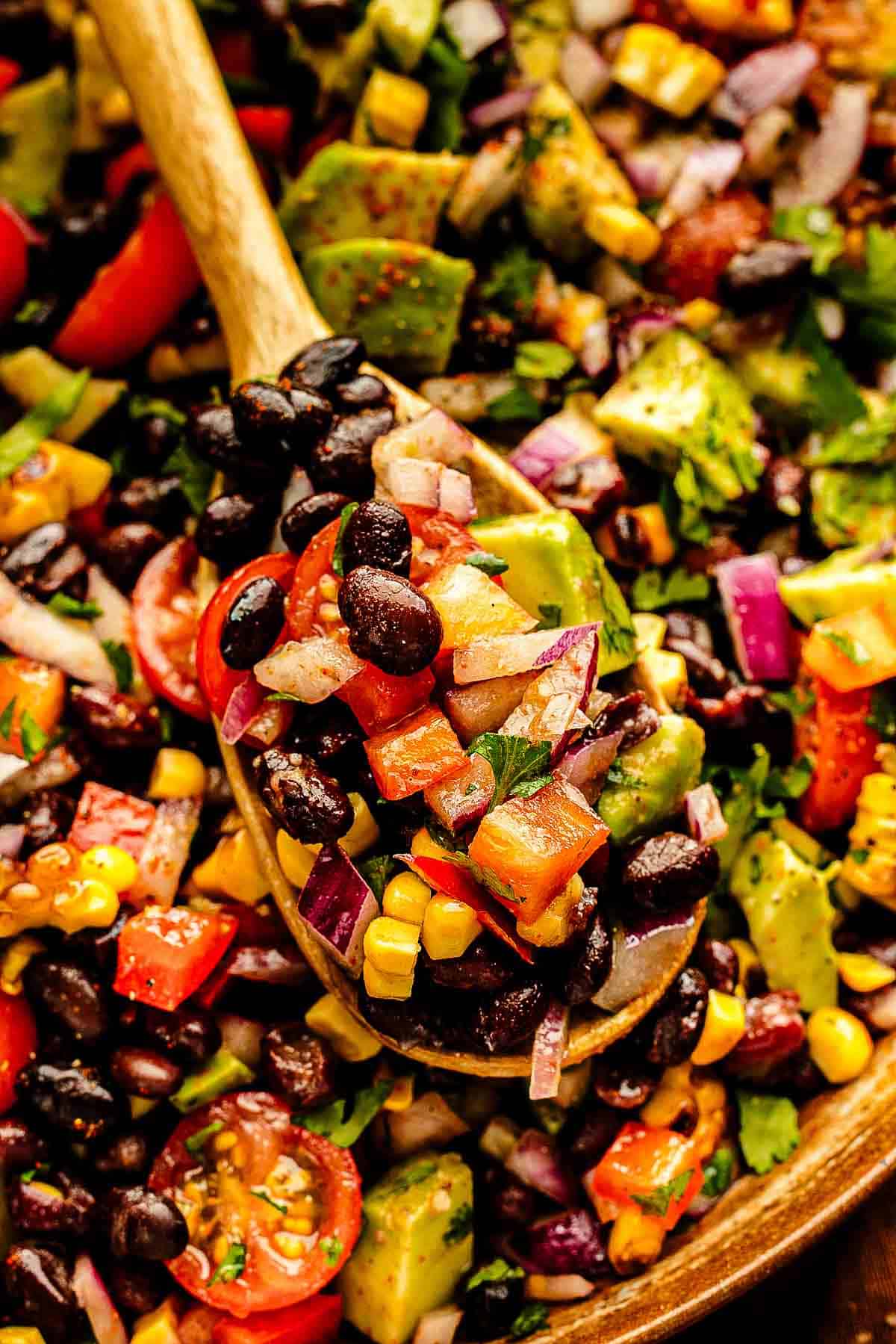
This beautiful Black Bean Avocado Salad on the other hand is loaded with Mediterranean flavors. No meat, no refined carbs and lots of olive oil, beans, and vegetables (red bell pepper, red onion, avocado and cherry tomatoes).
That's the difference.
Mediterranean Countries Are Changing Too
Here's the part that genuinely surprises people: the modern diet in Mediterranean countries has drifted substantially from the traditional eating pattern that researchers studied and celebrated.
Globalization happened. Fast food chains arrived. Processed snacks, added sugars, butter, and increased red meat consumption followed. The way people actually eat in Italy or Greece today looks meaningfully different from how they ate in the 1960s - the era whose dietary habits inspired the original MD research. Those countries' diets are often still healthier than the Standard American Diet (SAD) on average, but they're no longer a reliable blueprint for what the MD actually requires.
What this means practically: recipes from your favorite Italian food blogger, Greek YouTuber, or Spanish cooking channel may be completely authentic to their culinary tradition and still have nothing to do with the Mediterranean Diet. That's not a criticism of those recipes. It's just an important distinction to hold onto.
What Actually Defines the Mediterranean Diet?
The MD is built on a consistent set of principles, regardless of which country the recipe comes from:
- Abundant vegetables, fruits, legumes, and whole grains as the foundation of every meal
- Olive oil as the primary fat source (not butter or margarine)
- Fish and seafood eaten frequently (at least twice a week)
- Moderate amounts of poultry, eggs, and dairy (especially yogurt and cheese)
- Limited red meat - think a few times per month, not per week
- Minimal processed foods, added sugars, and refined grains
- Red wine in moderation, if at all (optional and not a requirement)
- Meals eaten with others and an overall mindful, unhurried approach to food
The MD food pyramid is your best guide. Using it as a reference - rather than assuming anything labeled "Mediterranean" is approved - will serve you far better in the long run.
Don't Be Fooled by the Label
Social media is full of "Mediterranean" recipes that are really just Italian-American comfort food dressed up with a trendy label. A dish can be inspired by Mediterranean culture and still be loaded with white flour, heavy cream, or processed ingredients that fall outside MD guidelines.
The fix is simple: go back to the principles. Check the ingredients against the food pyramid. Look at portion sizes and food frequency. A recipe doesn't need to come from a Mediterranean country to be MD-friendly - and a recipe that does come from one isn't automatically compliant.
Frequently Asked Questions
Is Italian food the same as the Mediterranean Diet?
Not necessarily. While Italian cuisine shares some overlap with Mediterranean Diet principles - olive oil, vegetables, legumes - many popular Italian and Italian-American dishes are made with refined white pasta, heavy cream sauces, and significant amounts of red meat, none of which align with MD guidelines. Italian food is a cuisine; the Mediterranean Diet is a structured way of eating based on traditional dietary patterns from the 1960s.
Can I follow the Mediterranean Diet without being from a Mediterranean country?
Absolutely. The Mediterranean Diet is a set of eating principles, not a cultural identity. Anyone, anywhere can follow it by prioritizing whole grains, vegetables, legumes, fish, and olive oil while limiting red meat, processed foods, and refined sugar.
Do people in Greece and Italy actually eat the Mediterranean Diet?
Not always - and less so today than in previous generations. Modern Mediterranean countries have adopted many Western eating habits, including fast food, processed snacks, added sugars, and more red meat. While their diets are often still healthier than the Standard American Diet on average, they no longer perfectly reflect the traditional eating pattern that defines the MD.
Is pasta allowed on the Mediterranean Diet?
Yes, but with important caveats. Whole grain pasta in moderate portions is the MD-approved approach. A large bowl of refined white pasta with a heavy meat sauce eaten daily does not align with MD principles, even if it's authentically Italian.
How do I know if a recipe is truly Mediterranean Diet-friendly?
Cross-reference it against the MD food pyramid. The recipe should be built around vegetables, legumes, or whole grains; use olive oil as the primary fat; feature fish or plant protein over red meat; and contain little to no processed ingredients or refined sugar. Don't rely on a recipe's cultural label - rely on its ingredient list.
What's the difference between Mediterranean Diet and Mediterranean cuisine?
Mediterranean cuisine refers to the foods and cooking traditions of countries bordering the Mediterranean Sea - Italy, Greece, Spain, Morocco, Turkey, and others. The Mediterranean Diet is a research-backed dietary pattern inspired by the traditional eating habits of those regions, specifically as they existed decades ago. Today, authentic regional recipes don't always meet MD standards.
The Bottom Line
The Mediterranean Diet is one of the most well-researched, sustainable eating patterns in the world - but its benefits only come when you follow its actual principles, not just its cultural aesthetic. Enjoy Italian, Greek, and Spanish cuisine for what it is: incredible food with rich tradition. Just don't confuse cultural origin with dietary compliance. Use the food pyramid, check your portions, and let the principles guide your plate.
Ready To Cook Mediterranean?
I have a small cluster of Mediterranean‑style recipes that all came out of the same stretch of testing in my kitchen (and a lot of olive oil splatters on my stovetop). These are the ones I come back to when I want big flavor, plenty of vegetables, and recipes that actually fit into real‑life weeknights and casual get‑togethers:
- No-Oil Charred Mediterranean Grilled Vegetables - My go‑to platter of smoky vegetables to serve alongside salmon or spoon over grains when I want more plants on the plate.
- Mediterranean Honey-Balanced Red Wine Vinaigrette - A salad dressing I mix in a jar on repeat, often using it to brighten leftover quinoa or roasted vegetables the next day.
- Smooth Hummus with Roasted Garlic - The ultra‑creamy hummus I make in big batches for snacking and for tucking into bowls with leftover salmon or grilled vegetables.
- Creamy Whipped Feta with Roasted Kalamata Olives (Ready in 15 Minutes) - A quick, salty-creamy dip that shows up anytime we have friends over, usually alongside the hummus and some grilled veg.
- Loaded Hummus with Olives and Feta - My "I need a snack board but can't deal with cooking" dinner: hummus piled high with olives, feta, and crunchy veg, often served with leftover bread or grilled pitas.
- Mediterranean Bread with Olives and Feta - A hearty, olive‑studded bread I like to bake when we're having a more relaxed weekend dinner, perfect for dunking into extra vinaigrette or scooping up hummus.

Comments
No Comments