


The Mediterranean diet is less about rules and more about which foods your plate quietly champions day after day.
When most people picture the Mediterranean diet, they see a postcard: a bowl of olives, a chunk of feta, maybe a glass of red wine on a sunny terrace. That image isn't wrong, but the eating pattern that keeps winning "best diet" rankings in medical and nutrition circles is a lot more specific than a vacation snapshot. It's built around a core group of ingredient "champions" that show up again and again across meals and across countries.
Instead of counting calories or cutting entire macronutrients, the Mediterranean diet works by changing the default building blocks of your meals. You move vegetables, beans, whole grains, olive oil, nuts, and seafood to the center of the plate, and you push red meat, ultra‑processed foods, and added sugars to the edges. Over time, those quiet swaps add up to measurable benefits for heart health, blood sugar control, and longevity.
If you're wondering how these foods fit into real‑life dishes, I break that down in my article on Mediterranean cuisine vs. the Mediterranean diet, where I show how this eating pattern grew out of traditional recipes from around the Mediterranean. And if you want to make sure your pantry actually matches this list, keep my guide to foods to avoid on the Mediterranean diet handy so you know what to crowd out as you add more of these staples in.
The Mediterranean Diet's Key Components
- Vegetables: especially leafy greens, tomatoes, peppers, onions, eggplant, zucchini, cucumbers, and squash.
- Fruit: citrus, grapes, berries, apples, figs, dates, melons, and stone fruit like peaches and apricots.
- Whole grains: whole‑wheat bread and pasta, oats, brown rice, barley, farro, bulgur, quinoa, and other intact grains.
- Beans and legumes: chickpeas, lentils, black beans, kidney beans, cannellini beans, fava beans; hummus absolutely counts here.
- Nuts and seeds: almonds, walnuts, pistachios, cashews, sunflower and pumpkin seeds, often used as snacks or salad toppers instead of processed chips.
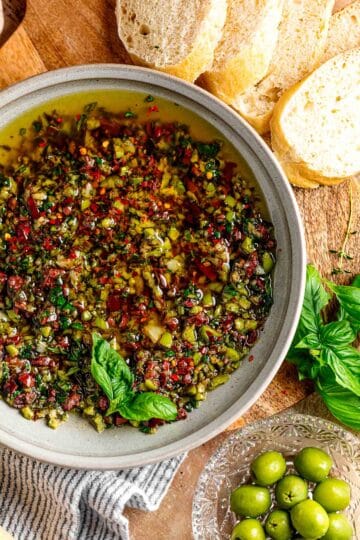
- Olive oil: extra‑virgin olive oil as the primary added fat for cooking, roasting, and dressings, instead of butter or refined seed oils.
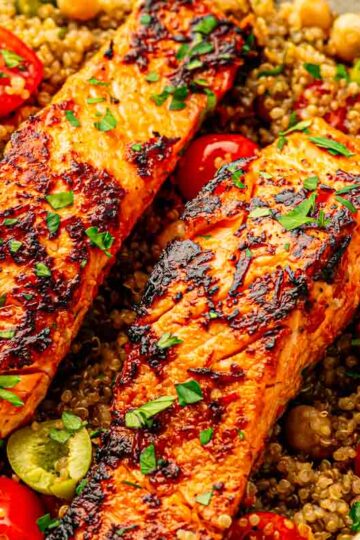
- Fish and seafood: especially fatty fish like salmon, sardines, mackerel, anchovies, plus white fish like cod, eaten a few times per week.
- Poultry and eggs: moderate amounts of chicken, turkey, and eggs, used to support (not replace) the plant base of the plate.
- Fermented dairy: mainly yogurt and cheese in small to moderate portions, usually as part of meals rather than stand‑alone dessert.
- Herbs, spices, and aromatics: garlic, onion, oregano, basil, thyme, rosemary, cumin, cinnamon, and fresh herbs to build flavor without relying on heavy sauces or added sugar.
If a recipe uses lots of items on this list - olive oil, vegetables, beans, whole grains, seafood, nuts, and herbs - it fits squarely into what the Mediterranean diet champions, even if it doesn't look like a textbook Greek salad.
The Mediterranean diet is less a "diet" and more a pattern of picking the same kinds of foods over and over again until they reshape your health almost by accident. It doesn't start with a list of rules. It starts with what you actually put on your plate, and which ingredients quietly show up there the most. A great example of Mediterranean diet food is this The 10-Minute Black Bean Avocado Salad, that's rich in olive oil, loaded with beans and has plenty of bell pepper and cherry tomatoes.

Vegetables: The Foundation, Not the Garnish
In Mediterranean‑style eating, vegetables don't decorate the plate; they are the plate. We're talking about everyday workhorses like tomatoes, onions, peppers, eggplant, zucchini, leafy greens, cucumbers, and squash. Raw in salads, slow‑cooked into sauces, roasted on a sheet pan, folded into stews-there are usually two or more vegetables in play at once.
From a flavor standpoint, vegetables carry acidity, sweetness, and bitterness, which means they do a lot of the same job people often rely on heavy sauces for. From a health standpoint, they bring fiber, antioxidants, and a wide spectrum of vitamins and minerals. The Mediterranean diet doesn't ask you to memorize nutrient charts; it just nudges you to let vegetables take up half the plate most of the time and lets the numbers sort themselves out.
Fruit As A Dessert
Fruit-a mix of fresh and sometimes dried-is the default sweet in this pattern. Citrus, grapes, berries, apples, pears, figs, dates, melons, and stone fruits like peaches and apricots show up as snacks, breakfast components, or light desserts instead of pastries and candy.
The point isn't that fruit is "perfect" and dessert is "evil." It's that fruit packages its sugar with water, fiber, vitamins, and plant compounds that help your body handle that sugar more gently. In practice, that looks like ending dinner with sliced oranges and pistachios more often than with a bakery box.
Whole Grains: Nothing Refined Here
Bread, pasta, and grains exist in the Mediterranean diet, but they look and behave differently from the standard refined white‑flour versions that dominate many Western diets. The base is whole grains: whole‑wheat bread and pasta, oats, brown rice, barley, farro, bulgur, and other intact grains.
Whole grains keep the bran and germ of the grain intact. That brings more fiber, more micronutrients, and a slower rise in blood sugar compared to refined grains. In practical terms, that means you're more likely to build a bowl around farro with roasted vegetables and chickpeas, or pair a stew with a slice of dense whole‑grain bread, than rely on a giant pile of plain white pasta as the main event.
Beans and Legumes: Protein, Fiber, and Great Energy Source
If there's a single category that illustrates how the Mediterranean diet works, it's beans and legumes: chickpeas, lentils, black beans, kidney beans, cannellini beans, fava beans, and all their cousins. They show up in soups, stews, salads, dips (hello, hummus), and grain bowls.
Nutritionally, beans are doing at least three jobs at once: they provide plant‑based protein, they deliver a hefty dose of fiber, and they come with complex carbohydrates that digest slowly. From a cooking perspective, they're also cheap, versatile, and happy to soak up whatever flavor you throw at them-olive oil, garlic, lemon, herbs, spices. In a typical Mediterranean‑style week, beans or lentils appear several times, sometimes as the main protein, sometimes as a substantial side.
Nuts and Seeds: The Default Snack Upgrade
Instead of chips and ultra‑processed snack bars, those of us that love Mediterranean‑style eating snack on nuts and seeds: almonds, walnuts, pistachios, cashews, sunflower seeds, pumpkin seeds. I love peanuts and cashews on their own, scattered over salads and yogurt, or folded into pilafs and vegetable dishes.
What makes them "champion" foods isn't just their healthy fats. They also bring fiber, protein, and micronutrients like magnesium and vitamin E. A small handful is surprisingly satiating, which makes them a natural way to stabilize hunger between meals without derailing everything else you're trying to do.
Olive Oil: The Good Fat
If there's a single ingredient that defines this way of eating, it's extra‑virgin olive oil. It is the default cooking fat, the finishing drizzle, the base of most dressings, and in many dishes it's treated as an ingredient, not just a lubricant.
Olive oil is rich in monounsaturated fats and contains a cocktail of polyphenols-plant compounds with antioxidant and anti‑inflammatory effects. In the Mediterranean diet pattern, it largely replaces butter and heavily refined seed oils. The result isn't just a different fat profile; it's a different flavor profile. Vegetables roasted in olive oil, beans stewed in olive oil, grilled fish finished with olive oil and lemon-these are the kinds of dishes this diet quietly encourages you to make over and over again. I cover this and more in my Mediterranean Diet Olive Oil Guide.
Fish and Seafood: Frequent Guests, Not Rare Treats
Fish and seafood, especially fatty fish like salmon, sardines, mackerel, and anchovies, appear a few times per week in a classic Mediterranean diet. Lean white fish such as cod and haddock show up regularly as well.
These foods bring high‑quality protein and, in the case of fatty fish, long‑chain omega‑3 fats tied to heart and brain health. Just as important, they often replace red and processed meats on the plate rather than simply being added on top of an already meat‑heavy pattern. A week that includes grilled salmon with vegetables, a cod stew with olive oil and tomatoes, and a simple tuna‑bean salad is a week that nudges your overall fat and protein profile in a more Mediterranean direction without asking you to become pescatarian overnight.
Poultry and Eggs: Supporting Roles
Chicken, turkey, and eggs are very much allowed in the Mediterranean diet, but they're supporting actors, not headliners every single night. They tend to appear in moderate portions alongside plenty of vegetables and grains rather than as giant standalone portions.
In practice, that might look like a sheet pan of chicken thighs roasted with peppers and onions in olive oil, or a vegetable‑heavy frittata that uses eggs as a binder rather than as a dense block of protein. The pattern matters: more plant foods, modest amounts of animal protein.
Fermented Dairy: Yogurt and Cheese in Context
Dairy isn't banished here, but the emphasis is on fermented forms like yogurt and cheese, used in small to moderate amounts. Think Greek yogurt with fruit and nuts for breakfast, a crumble of feta on a salad, or a little Parmesan over a bowl of whole‑grain pasta with vegetables.
Fermentation changes both the flavor and the nutritional profile of dairy, adding tang and complexity while introducing beneficial bacteria and changing how the sugars are handled. My favorite part about Mediterranean diet? Its relationship with dairy. No giant glasses of milk or cheese‑heavy casseroles on a regular basis; instead it uses dairy strategically, more like a condiment than a main ingredient.
Herbs, Spices, and Aromatics: Flavor Without Extra Baggage
Garlic, onion, leeks, scallions, oregano, basil, thyme, rosemary, parsley, mint, cumin, coriander, cinnamon, and more-these are the ingredients that make "Mediterranean" taste like something you'd happily eat again tomorrow. They build layers of flavor so you don't have to rely on heavy cream sauces, sugar‑sweet glazes, or salt bombs to make food exciting.
The consistent use of herbs and aromatics is one reason Mediterranean‑style dishes can stay relatively light while tasting anything but diet food. When your roasted vegetables are scented with garlic and rosemary and your bean stew is built on a base of slowly cooked onion, the absence of rich sauce isn't a loss.
Putting It Together: A Short Mental Checklist
If you want a simple way to tell whether a meal lines up with what the Mediterranean diet champions, you can run through a quick checklist:
- Is at least half the plate vegetables or fruit?
- Is there a whole grain or bean/legume on the plate?
- Is olive oil the main added fat?
- Is the protein fish, seafood, beans, or poultry (with red meat as an occasional guest, not a regular)?
- Are nuts, seeds, herbs, and spices showing up somewhere?
If most of the answers are "yes," you're already building meals around the foods this pattern was designed for, whether you're eating a classic Greek salad with grilled fish or a more modern dish like a grain bowl with roasted vegetables, chickpeas, and a generous drizzle of olive oil.
Mediterranean-Inspired Recipes to Try
Here are a few more Mediterranean-style recipes I make again and again for family and friends:
- Mediterranean Bread with Olives and Feta - A soft, savory loaf loaded with olives, feta, and sun-dried tomatoes that feels special enough for company but still works on a weeknight.
- No-Oil Charred Mediterranean Grilled Vegetables - Colorful, smoky vegetables that are just as good piled next to salmon as they are tucked into bowls and wraps.
- Mediterranean Honey-Balanced Red Wine Vinaigrette - A tangy-sweet dressing I shake up in a jar and keep in the fridge for tossing salads and drizzling over leftover grains.
- Smooth Hummus with Roasted Garlic - Extra-creamy hummus with mellow roasted garlic that disappears fast whenever I set it out with warm bread and veggies.
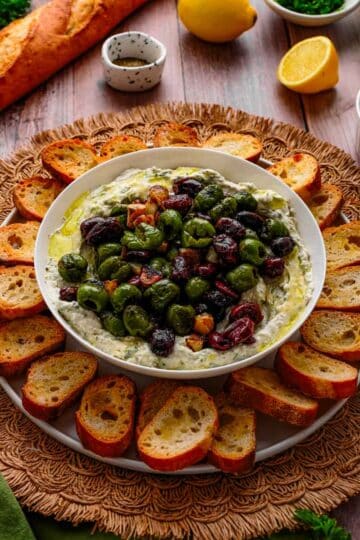
- Creamy Whipped Feta with Roasted Kalamata Olives (Ready in 15 Minutes) - A rich, tangy whipped feta dip topped with warm roasted olives that feels like a little party on a plate.
- Loaded Hummus with Olives and Feta - My "lazy but impressive" platter: hummus buried under olives, feta, and crunchy veggies, perfect for nibbling while dinner finishes in the oven.

Kelly Powers says
Love this! It’s so useful to see exactly what foods make up the foundation of the Mediterranean diet.