

New York strip steak is one of the most capable cuts in the butcher case. Most people buy it, grill it, and call it a night - but this cut has the flavor, texture, and versatility to anchor everything from elegant pan sauces to weeknight salads. Here's a full breakdown of what you can do with NY strip, and why it works so well across so many preparations.
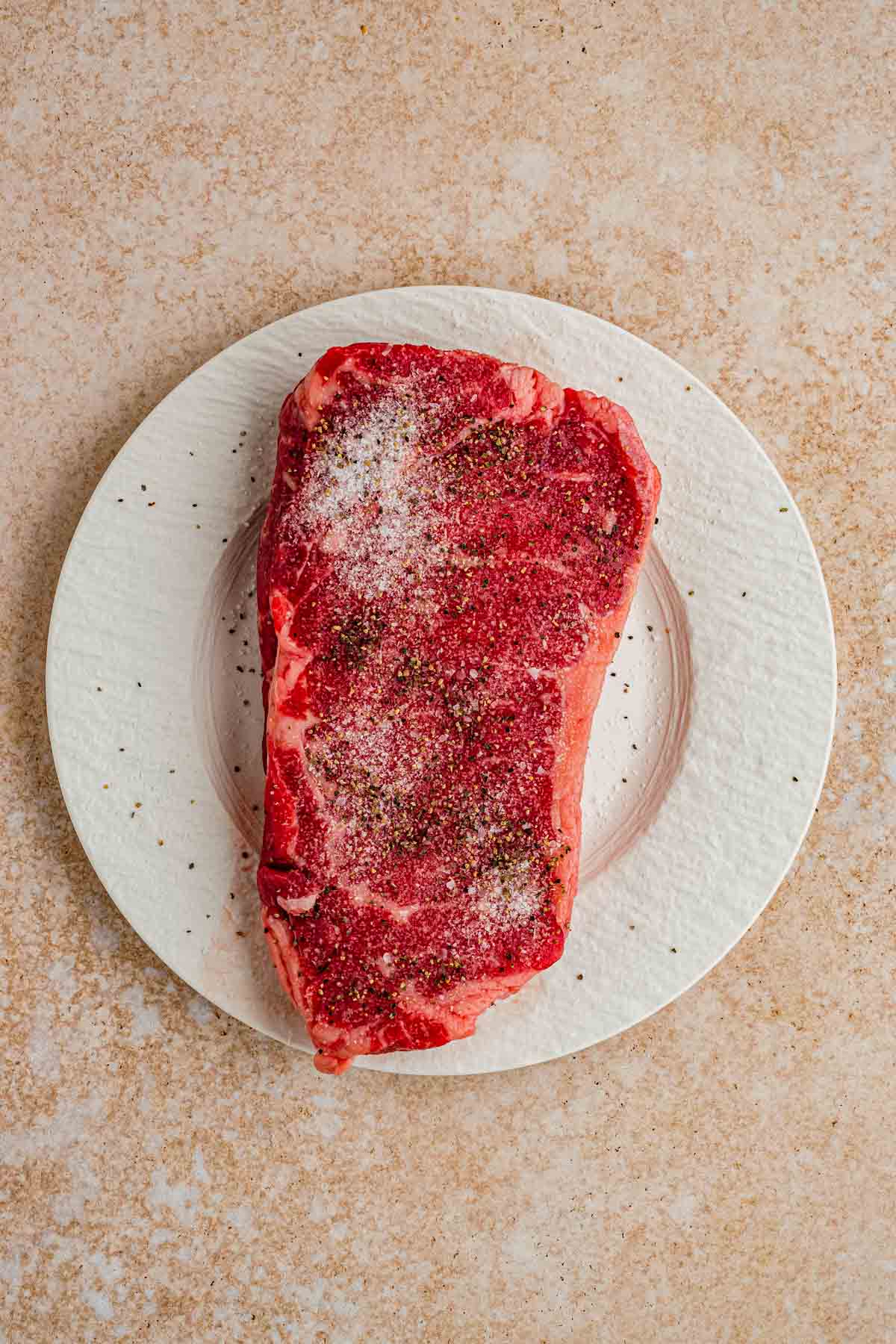
What Makes NY Strip So Useful
The NY strip is cut from the short loin, a section of the cow that does very little physical work. That means the muscle stays consistently tender, with enough marbling to deliver deep, beefy flavor without being as fatty as a ribeye. It has more character than filet mignon, more tenderness than a sirloin, and - critically - it holds its structure whether you're serving it whole, sliced thin, or cubed. That balance is exactly what makes it so adaptable in the kitchen.
The strip also responds beautifully to high heat, which gives you a great sear in a cast iron skillet, excellent caramelization on the grill, and clean, even slices when cooked properly and rested before cutting.
How to Prepare NY Strip Steak
Getting NY strip right comes down to a handful of non-negotiable steps that make the difference between a good steak and a great one.
Before you cook:
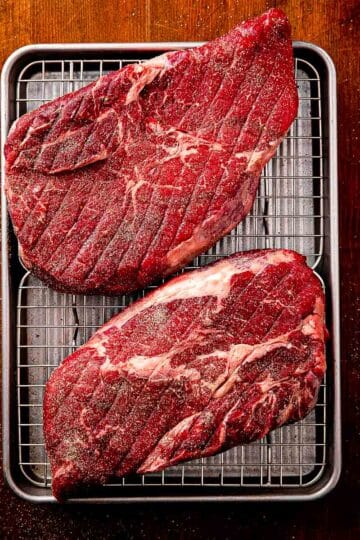
- Bring it to room temperature. Pull the steak from the refrigerator 30 minutes before cooking. A cold steak hitting a hot pan cooks unevenly - the outside scorches before the center has a chance to warm through.
- Pat it completely dry. Use paper towels to remove all surface moisture. Moisture is the enemy of a proper sear - a wet steak steams instead of browns.
- Season generously. Kosher salt and cracked black pepper on both sides, pressed in. Don't be timid - the strip has enough flavor to carry bold seasoning, and under-seasoning is one of the most common home cook mistakes.
Cooking methods:
- Cast iron sear (stovetop): Heat a cast iron skillet over high heat until lightly smoking. Add a high-smoke-point oil (avocado oil works especially well), place the steak down, and don't touch it for 2-3 minutes. A steak that sticks to the pan isn't ready to flip - wait until it releases on its own. Cook the fat cap by holding the steak on its side for 30 seconds.
- Sear + oven finish: For thicker cuts (1.5 inches or more), sear 2 minutes per side in a cast iron skillet, then transfer the entire pan into a 400-500°F oven for 3-7 minutes depending on desired doneness. This gives you a deep crust without overcooking the center.
- Reverse sear: Cook the steak low and slow in a 275°F oven until it hits 120°F internally, then sear in a screaming-hot skillet for 60-90 seconds per side. This method produces the most even edge-to-edge doneness, with zero gray band around the outside.
- Grill: Preheat to high, oil the grates, and cook 4-6 minutes per side for medium-rare, rotating 45 degrees halfway through each side for crosshatch marks. Close the lid between flips to retain heat.

Internal temperature guide:
| Doneness | Pull Temp | Final Temp (after rest) |
|---|---|---|
| Rare | 115°F | 120°F |
| Medium-Rare | 125°F | 130°F |
| Medium | 135°F | 140–145°F |
| Medium-Well | 145°F | 150°F |
If you want a deeper dive into steak temps, here's a detailed information on Steak Doneness Temperatures.
After you cook:
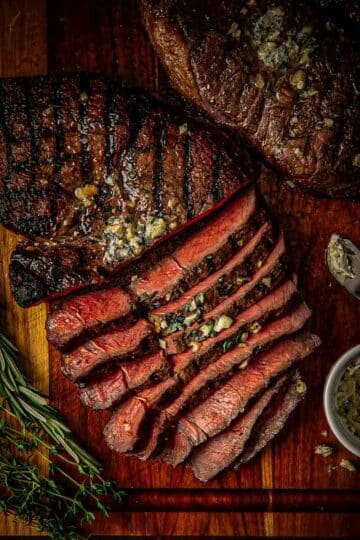
Always rest the steak (although Resting Steak Myths vs Reality begs different) for 5-10 minutes loosely tented with foil before slicing. Carryover cooking will raise the internal temp 5 degrees during this time, so always pull it slightly before your target. When slicing for salads, sandwiches, tacos, or steak bites, always cut against the grain - this shortens the muscle fibers and keeps every slice tender rather than chewy.
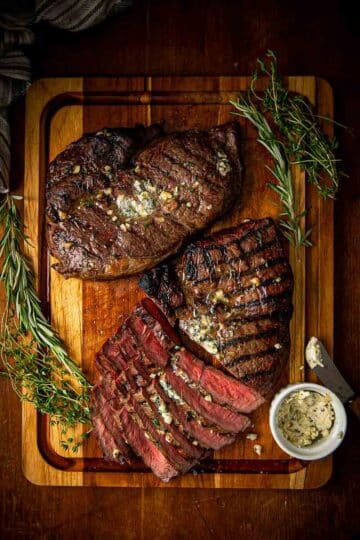
A properly rested and sliced NY strip shows a clean pink center with a dark, caramelized crust - the result of dry surface, high heat, and patience.
Why NY Strip Beats Ribeye (An Unpopular Opinion Worth Having)
Most steak conversations crown the ribeye as the undisputed king, I and a lot of steak eaters disagree.
Let's talk about the structure and flavor. Ribeye is heavily marbled and broken into multiple muscle sections, which means fat pockets interrupt every bite and the texture can feel inconsistent plate to plate. NY strip, by contrast, is one continuous piece of well-marbled but leaner meat - what one commenter described as "just basically one continuous piece of tasty meat" that's easier to slice, easier to eat, and more reliably delicious.
I'd "take a prime NY strip over a choice ribeye every time," especailly because NY strip has a much more intense, mineral-forward beef flavor that ribeye fat can actually dilute.
There's also a practical argument: NY strip is consistently priced the same as or lower than ribeye at most retailers (including Lidl and Aldi), making it the smarter buy when you want premium flavor without the premium markup. For all the versatility covered in this article - salads, steak bites, Steak Diane, sandwiches - the strip's leaner profile and cleaner structure actually makes it more useful than ribeye, not less.
As a Standalone Steak
This is most classic use is also the most rewarding. A thick NY strip, seared in a cast iron pan with butter, garlic, and fresh thyme, develops a dark crust while staying pink and juicy inside. Season it simply - kosher salt, cracked black pepper, and a resting time that most home cooks skip but absolutely shouldn't.
Serve with roasted potatoes, sautéed mushrooms, or a compound butter melting over the top. This is the preparation that made the cut famous, and it earns that reputation every time.
In a Steak Salad
One of the best things you can do with a NY strip - especially a leftover or thinly cooked one - is slice it for a Grilled Steak Salad. Culinary experts consistently rank NY strip among the top picks for salads because its depth of flavor holds up against bold dressings, something a leaner cut like sirloin or a milder cut like filet mignon can't always claim. Slice it thin against the grain, slightly warm or at room temperature, and layer it over arugula, romaine, or mixed greens with cherry tomatoes, crumbled feta, avocado, and red onion.
The key is the dressing - something with acid (red wine vinegar, lemon juice) and a hint of Dijon balances the richness of the beef perfectly.

As Steak Bites
Cutting NY strip into 1-inch cubes is one of the smartest weeknight moves you can make with this cut. The same tenderness and marbling that makes it great as a whole steak means each cube develops a caramelized crust on every side in just a few minutes over high heat. The trick is working in small batches so the pan stays hot and the beef sears rather than steams.
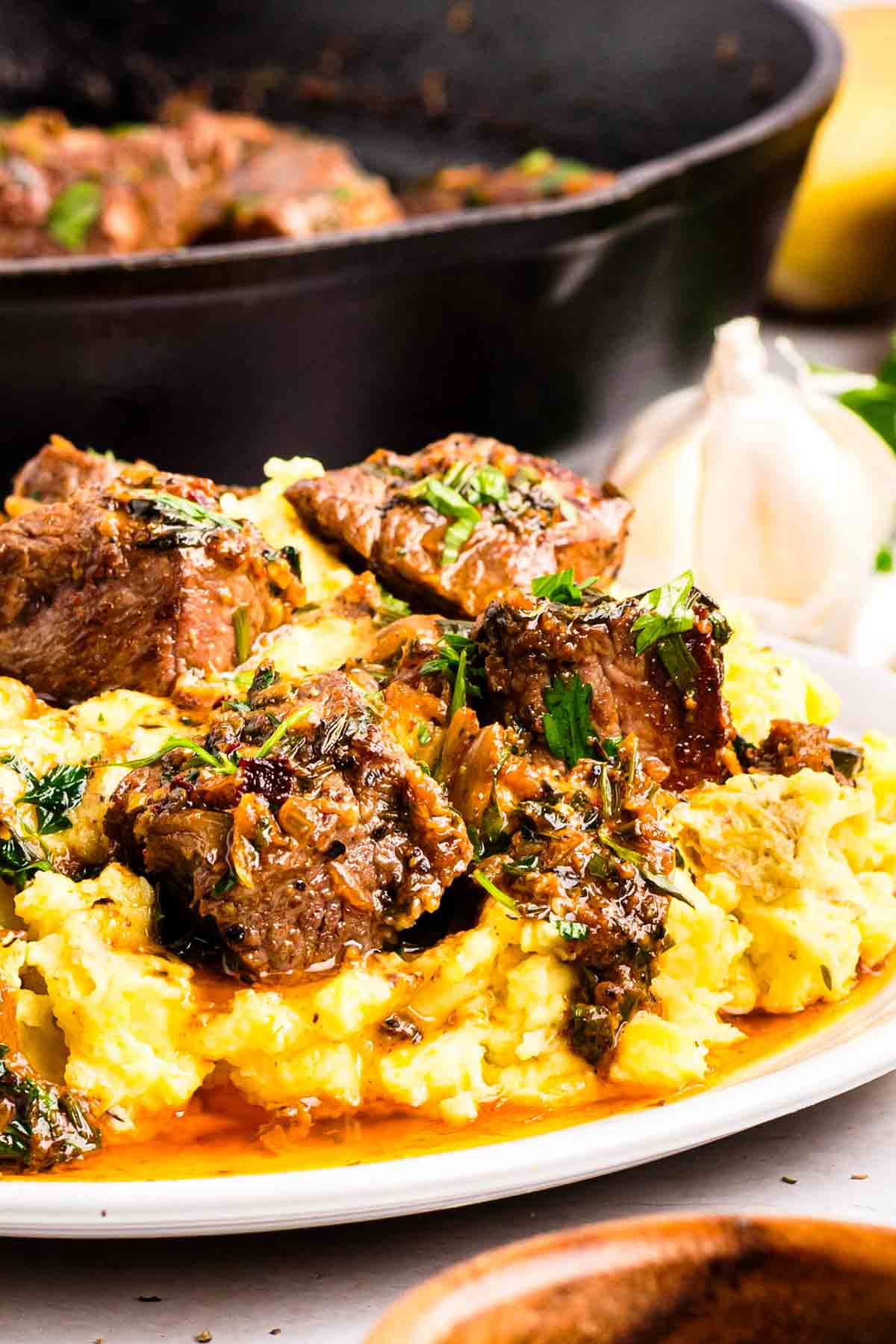
Finish the cubes in garlic butter with fresh rosemary or thyme, and you have a 20-minute dinner that tastes like it took far longer. Steak bites (I made mine with garlic butter) work over mashed potatoes, alongside roasted vegetables, on skewers for an appetizer, or even tossed into a grain bowl.
In Steak Diane
Steak Diane is a retro pan sauce preparation that fell out of fashion but is making a very deserved comeback. The strip's bold, beefy flavor is the perfect backbone for the sauce - shallots, Dijon mustard, Worcestershire, cognac, and heavy cream all built right in the same pan the steak was cooked in. Nothing gets wasted, and the result is something that tastes genuinely restaurant-quality.
The whole dish comes together in about 25 minutes, which makes the "impressive dinner for two" angle completely legitimate. Pound the steaks thin before searing, build the sauce in the drippings, and spoon it over at the table. It photographs beautifully - that rich, glossy sauce poured over sliced steak is exactly the kind of visual that stops the scroll.

In Steak Sandwiches and Cheese steaks
Thinly shaved or sliced NY strip is the ideal base for a serious steak sandwich. The cut's natural tenderness means it doesn't toughen up when sautéed with onions, mushrooms, and peppers - lesser cuts can turn chewy fast. Load it onto a toasted hoagie roll with melted provolone or Cheez Whiz (no judgment), and you have a Philly-style cheesesteak that beats most restaurant versions. The same preparation works scaled up for a crowd - a couple of strip steaks feeds four sandwiches easily.
In Tacos and Fajitas
NY strip doesn't need a long marinade to shine in tacos or fajitas. Thirty minutes in a mixture of lime juice, Worcestershire, garlic, cumin, and a touch of brown sugar is enough to season through without starting to break down the texture. Slice it thin against the grain after a quick high-heat cook, and serve in warm flour tortillas with salsa verde, pickled red onions, cotija cheese, and crema. The strip holds its slight chew even when thin-sliced, which gives fajitas a satisfying bite that pre-marinated skirt steak doesn't always deliver.
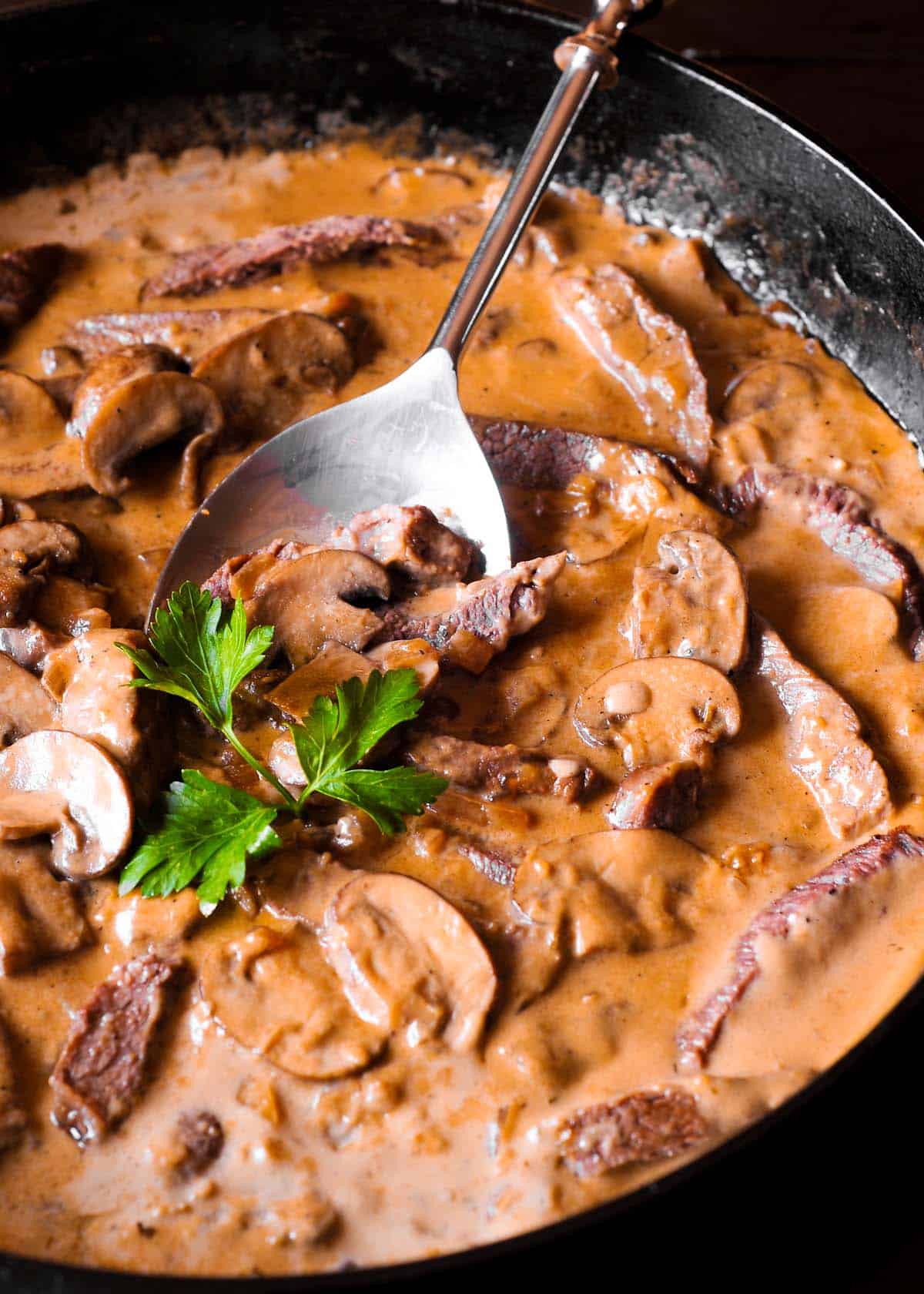
In Beef Stroganoff
Beef Stroganoff is the sleeper use that steak enthusiasts know about but rarely gets talked about in recipe content. NY strip's rich flavor doesn't get buried in a creamy mushroom sauce the way leaner cuts do - it contributes to the dish rather than just texturizing it.
Slice the strip into thin strips (partially freeze it first for cleaner cuts), sear hard and fast, and fold into the stroganoff sauce at the very end so it doesn't overcook. The result is a comforting, deeply flavored bowl that's well above the typical ground beef version.
Choosing the Right Preparation for Your Strip
| Use Case | Best When | Cook Time |
|---|---|---|
| Whole seared steak | Serving as a main event | 15–20 min |
| Steak salad | Feeding a crowd, using leftovers | 20 min + rest |
| Steak bites | Fast weeknight dinner | 15–20 min |
| Steak Diane | Elegant dinner for two | 25 min |
| Cheesesteak/sandwich | Casual crowd-feeder | 20 min |
| Tacos/fajitas | Mexican night, meal prep | 30 min marinade + 10 min |
| Beef stroganoff | Comfort food upgrade | 30 min |
NY strip rewards high heat, proper resting, and slicing against the grain - apply those three principles to any of these preparations and you'll get the best possible result from the cut every time.
Here are the compiled tips formatted as an add-on subsection to slot into the "How to Prepare NY Strip Steak" section, right after the cooking methods:
Pro Tips for Thick-Cut NY Strip
If your strip is 1.5 inches or thicker - which many butcher-cut and warehouse store strips are - a few extra considerations apply:
- Reverse sear is the gold standard. Cook in a 250-275°F oven until the internal temp hits 115-120°F, then sear in the hottest possible cast iron skillet. This is the method most consistently recommended by experienced home cooks for thick cuts because it eliminates the gray, overcooked band around the edge.
- Sous vide is even more foolproof. Set to 131-137°F for medium-rare and cook for 3 hours, then finish with a hard 60-second sear per side on the highest heat you can generate. It's especially useful for dinner parties where timing matters - no need to rest, just sear and serve.
- Multi-flip on the grill for cuts under 1.5 inches. Flip every 20 seconds, rotating to a fresh spot on the grate each time, for even edge-to-edge doneness without hot spots. For cuts over 1.5 inches on the grill, use the sear-and-move method: sear over direct heat, then move to indirect, close the lid, and cook to 125°F internally.
- Don't skip the fat cap sear. Hold the steak upright on its side in the pan for 30-60 seconds to render the fat strip along the edge - this keeps it from curling the steak and adds flavor.
- Salt early if you have time. Dry brining - salting the steak and leaving it uncovered in the refrigerator for 1-24 hours before cooking - draws moisture to the surface, which then reabsorbs back into the meat for deeper seasoning and a better crust.
- If you think you've overcooked it, stand it upright to rest. Resting the steak on its side rather than flat lets heat escape faster, slowing carryover cooking before it goes too far.
- Buy 1.5 inches thick when possible. Thinner strips are harder to cook to medium-rare without overcooking the exterior, while 1.5 inches gives you enough thermal mass to build a proper crust before the center overcooks.
More steak resources you might like
If you want to go deeper on steak beyond this recipe, here are some of my favorite guides:
- How to Cook Steak: Complete Guide to Cuts, Doneness, and Methods - Best cuts, pan vs. grill, reverse sear basics, and a doneness temperature chart for every level.
- How to Cold Sear a Steak (Step-by-Step Guide) - Start in a cold pan for an even interior, gorgeous crust, and less smoke. Especially good for ribeye and strip.
- What Is Black Angus Beef? A Cook's Guide to Better Steak - What "Angus" actually means, and how to shop smarter for better flavor and texture.
- 5 Common Steak-Cooking Mistakes - The biggest pitfalls that ruin otherwise great steak-and how this recipe quietly avoids all of them.
- How to Cook Sirloin Steak (Pan-Seared, Juicy Every Time) - My go-to method for thick sirloin: hard sear, juicy center, pan sauce in the same skillet.
- Reverse Sear Steak Method: How to Cook Any Thick Cut Perfectly - The technique I use for extra-thick cuts that need gentle heat first, crust second.
- How to Cook Steak Perfectly Every Time on the Stove Top (Pan-Sear Method) - A full walkthrough of the stove-top pan-sear from start to finish.
Comments
No Comments