
The difference between perfectly cooked pan seared shrimp and a rubbery disappointment is about 30 seconds - and it comes down to three things: dry shrimp, a hot pan, and knowing exactly when to pull them.
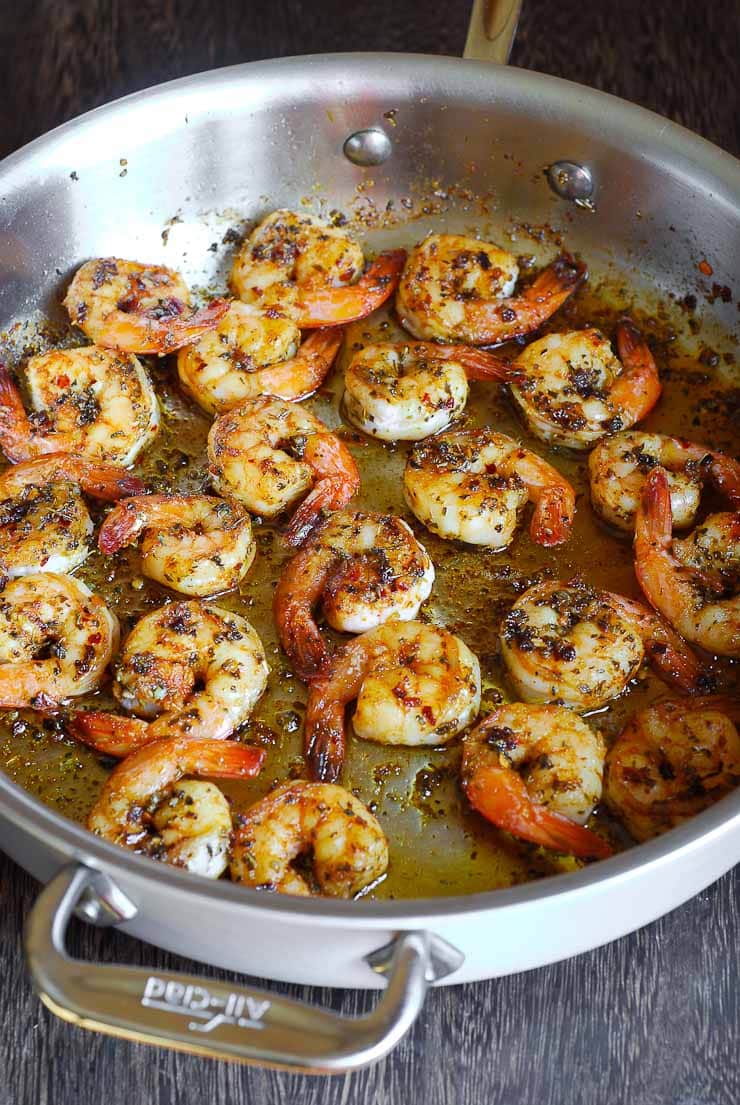
If your shrimp keeps coming out rubbery, pale, or swimming in liquid, the recipe isn't the problem - the technique is. Pan seared shrimp on the stove is a 5-minute cook, but those 5 minutes are unforgiving: wrong pan temperature, wet shrimp, or 30 extra seconds on the heat and the texture is gone.
Learn exactly how to cook shrimp on the stove so it comes out juicy and golden every time - with a proper sear, not a steam - whether you're serving it over pasta, in tacos, or as a fast weeknight protein straight from the skillet.
Cooking shrimp is so easy if you just know how.
Why This Pan-Seared Shrimp Works Every Time
Pan searing uses high heat and a thin layer of fat to quickly brown the outside of the shrimp while keeping the inside juicy. Because shrimp cook in just a few minutes, this method is ideal for weeknights and for adding protein to pasta, rice, salads, tacos, and more.
Well-executed pan seared shrimp develop a light golden crust, a firm but tender bite, and a clean, sweet shrimp flavor instead of rubbery or mushy texture. The technique is straightforward once you understand the common mistakes to avoid.
Best Type of Shrimp to Buy
Walk into any grocery store and you'll find a wall of shrimp options - fresh, frozen, shell-on, peeled, deveined, wild-caught, farmed - and almost no guidance on which one actually matters for pan searing. Here's what does.
- Frozen beats "fresh" every time. Almost all shrimp sold as "fresh" at a fish counter was previously frozen and thawed on-site, sometimes days ago. You have zero control over how long it's been sitting. Buying a bag of individually quick-frozen (IQF) shrimp and thawing it yourself means you control the timeline - and you'll consistently get better texture in everything from a quick weeknight sear to a more involved dish like Cajun Stuffed Shrimp.
- Size matters more than you think. For stovetop pan searing, you want large (31/35 count) to jumbo (16/20 count) shrimp. The count number refers to how many shrimp are in a pound - so a lower number means bigger shrimp. Larger shrimp give you a longer window between perfectly seared and overcooked rubber. Small shrimp (51/60 count) go from raw to overdone in under 60 seconds on a hot skillet; one moment of distraction and they're shot. If you want to see how size plays out in a different context, the Lemon and Herb Shrimp Orzo uses large shrimp for exactly this reason - they hold up beautifully even after being folded into a saucy pasta.
- Shell-on or peeled? Shell-on shrimp have marginally better flavor because the shell acts as insulation and concentrates juices during cooking. But for a quick stovetop sear where you want a clean golden crust and easy eating, peeled and deveined is the right call. You lose a tiny amount of flavor in exchange for dramatically better browning on the exposed flesh - a trade worth making every time.
- One more thing worth knowing before you buy: trust your nose. Fresh shrimp smells clean, briny, and faintly like the ocean. If it smells strongly fishy, sour, or like ammonia - or feels slimy rather than firm and slightly glossy - don't cook it. Raw shrimp stored in the fridge should be used within one to two days of purchase; beyond that, texture and flavor both degrade noticeably even if it technically hasn't spoiled.
How to Thaw Frozen Shrimp
- Thaw it just before you need it. I never let it thaw overnight in the fridge because it will accumulate too much histamine that way. Histamine is the stuff that makes you sneeze and have watery eyes, it can also cause mild to severe digestive issues.
- What I usually do is take the shrimp out of its package, put it in a bowl or colander in the sink, and run cold water over them for about 5 minutes.
- Toss the shrimp occasionally to make sure they are all exposed to the cold water. You will know that the shrimp is thawed and ready when they are no longer frozen solid but soft, easily bendable, and slightly translucent.
Oil vs. Butter: Which to Use
This is one of those questions that has a genuinely correct answer, not just a matter of preference - and it depends entirely on when you add each one.
The problem with butter alone: Butter burns. Add butter to a ripping hot pan and the milk solids scorch almost immediately, turning bitter and dark before your shrimp even hits the surface. This is true whether you're searing plain shrimp or building the base for something like Creamy Shrimp with Spinach - starting with scorched butter poisons the entire dish.
The problem with oil alone: A neutral oil like vegetable or canola handles the heat perfectly and gives you a clean, golden sear. But it contributes zero flavor. Shrimp cooked purely in neutral oil tastes flat, which means you're leaning entirely on your seasoning to carry the dish.
The correct answer is both - in sequence. Start with a high-smoke-point oil (avocado oil, refined olive oil, or a neutral vegetable oil) to build your sear. Get your shrimp golden on the first side, flip them, then add butter in the final 60 seconds of cooking. At that point, the pan temperature has dropped slightly and you're basting rather than searing - the butter melts fast, coats the shrimp in richness, and the milk solids brown just enough to add nuttiness without burning. This is the exact finish that makes Hawaiian Shrimp - with its garlicky butter sauce - taste so impossibly good for a 20-minute dinner.
The formula to remember: oil for the sear, butter for the finish. It's the same principle professional kitchens use on proteins from scallops to steak - and if you want to see it applied to another quick seafood prep, How to Cook Calamari Without Frying follows the exact same logic.
Ingredients You Need
- Shrimp (fresh or frozen, peeled and deveined): Shrimp are the star and need to be cleaned well for the best flavor and texture; peeling and deveining removes grit and the intestinal "vein" that can taste muddy if left in. Large or extra-large shrimp are easiest to sear without overcooking, while very small shrimp cook so fast they're easy to dry out. Always start with frozen shrimp if possible-they're often fresher than "fresh" counter shrimp and have the right texture
- Olive oil and/or butter: Oil (such as canola, avocado, or light olive oil) tolerates higher heat and helps shrimp sear instead of steam. Butter adds rich flavor and browning but can burn on its own at high heat, so I like to combine oil for searing with butter added toward the end for flavor.
- Salt: Lightly salting ahead of time also enhances their natural sweetness without making them taste "salty."
- Fresh garlic (or garlic powder): Garlic builds savory depth and makes a simple pan sauce taste restaurant-quality. Fresh garlic should be added near the end so it softens and turns fragrant without burning in the hot pan.
- Olive oil helps to cook the shrimp evenly so they don't stick to the pan or burn. It adds a mild, pleasant flavor and helps the shrimp develop a golden color as they sear. Butter can also be used for a richer taste, but it can smoke faster, so watch the heat. Pick oil or butter based on the flavor. you want-oil for light and fresh, butter for more savory results.
- Salt is needed for flavor-shrimp on its own can be bland. Salt seasons shrimp and helps draw a little surface moisture out so the exterior browns better. Salt also helps the shrimp retain a juicy, tender texture, so don't skip it. Use just enough to amplify the other seasonings without overpowering.
- Italian seasoning, black pepper and paprika: Add herb flavor and color for a simple but delicious result. Basic black pepper plus spices like paprika, garlic powder, onion powder, or chili powder add flavor without extra effort. Paprika and chili-based spices also deepen color, making shrimp look more golden and appetizing.
- Red pepper flakes: Optional; for a bit of heat and extra flavor.
Ingredient Swaps and Adjustments
- Oil and butter: For a fully dairy-free version, avocado oil is the best straight swap - its neutral flavor and high smoke point (~520°F) make it ideal for high-heat searing without any flavor compromise. Refined coconut oil works too but adds a subtle sweetness that only pairs well with certain seasoning profiles. If you're sensitive to dairy but still want that buttery richness, ghee is the cleanest solution.
- Garlic: Garlic powder (used in this recipe) gives even, consistent flavor across every shrimp. If you want a sharper, more pungent hit, swap in 2 cloves of freshly minced garlic - but add it to the pan after the shrimp come out, not before, or it will burn.
- Low sodium: Cut the added salt and lean on a squeeze of fresh lemon juice and a splash of white wine vinegar at the finish. Acid mimics the flavor-amplifying effect of salt without adding sodium - it brightens the entire dish and makes the seasoning taste more present, not less.
- Heat level: The red pepper flakes are easy to scale in either direction. Skip entirely for mild shrimp, double for a spicy version, or replace with Cajun seasoning for a smoky-spicy profile - the same blend that anchors the Creamy Cajun Shrimp and Sausage Pasta.
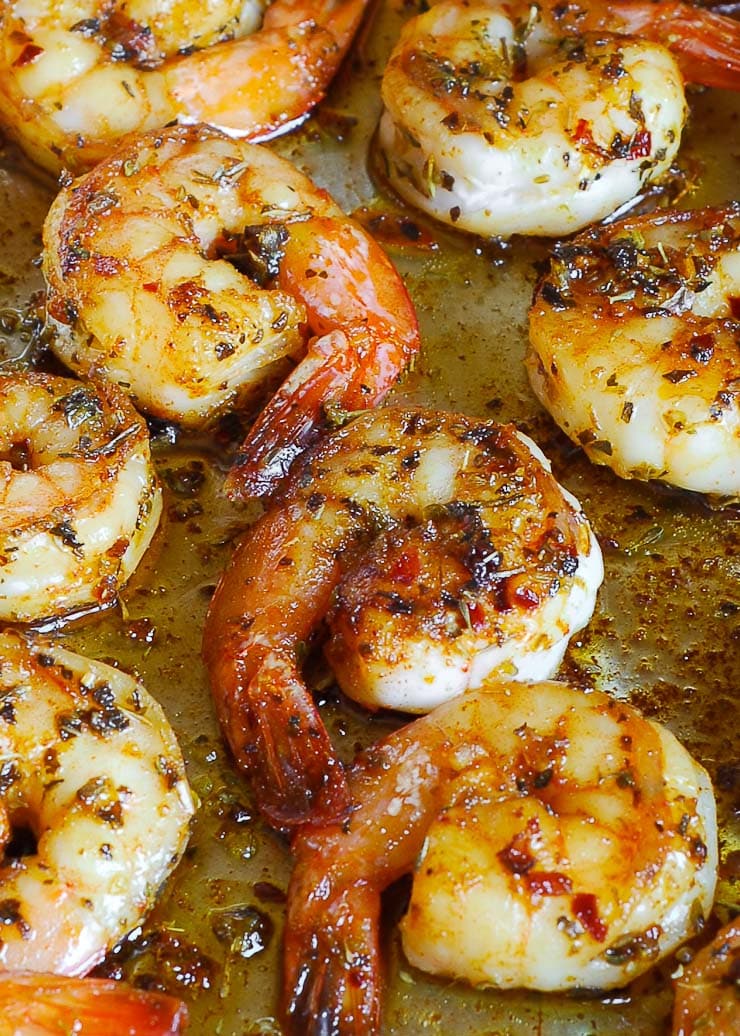
How to Cook Shrimp so They are Juicy, Not Rubbery
This is an overview with step-by-step photos. Full ingredients, measurements & instructions are in the recipe card below.
1. Season the Shrimp
Dry shrimp thoroughly with paper towels before they hit the pan. Surface moisture is the enemy of a sear. Wet shrimp steam instead of brown, and no amount of technique will fix that.
Place thawed, dried shrimp into a mixing bowl. Add salt and seasonings, tossing well to evenly coat all pieces. Shrimp's mild flavor makes it an ideal canvas for bold or subtle flavor profiles.
Pro Tip Worth Knowing: Add a pinch of sugar for deeper browning. A tiny pinch of granulated sugar mixed into your dry seasoning before searing accelerates browning on the shrimp's surface, giving you noticeably deeper caramelization and color without making the shrimp taste sweet. Use sparingly - a quarter teaspoon for a full pound of shrimp is enough.
2. Heat The Pan Properly
Add olive oil and butter to your skillet. Tilt gently to coat the bottom, heating over medium-high. A properly heated pan is crucial for quick cooking and optimal browning. Allow oil to shimmer but not smoke before proceeding.
3. Sear the Shrimp (Don't Touch It!)
Add shrimp in a single layer to the hot pan. If they don't sizzle on contact, the pan needs more preheat. Avoid overcrowding to ensure even cooking. Cook for 2-3 minutes on one side, flip, then cook for another 2-3 minutes. Turn only once.
Pro Tip: Add butter in the final 60 seconds of cooking!
4. Check for Doneness: The C vs. 0 Rule
- Perfect shrimp are pink, opaque, and curl into a "C" shape. Undercooked shrimp are loose "U" shapes and slightly translucent; overcooked will tighten into an "O" and turn rubbery.
- One minute they're a bit odd-looking and unappealing, and the next minute it's hard to keep from eating them directly from the pan. There's absolutely no guesswork involved.
- Remove immediately once pink and firm.
5. Serve Immediately
Transfer cooked shrimp to a serving dish. Serve seared shrimp immediately with Garlic Butter Spaghetti or Creamy Garlic Potatoes for maximum freshness.

How to Cook Shrimp on the Stove (Pan Seared, Juicy Every Time)
CLICK on STARS to REVIEW the RECIPE, then CLICK OK
Ingredients
- 1 tablespoon olive oil (or butter)
- 1 tablespoon butter
- 1 lb. shrimp (defrosted and deveined)
Seasoning Mixture:
- 1 teaspoon Italian seasoning
- ½ teaspoon paprika
- 1 teaspoon garlic powder
- ½ teaspoon salt
- ½ teaspoon black pepper
- ½ teaspoon red pepper flakes
Instructions
Season Shrimp
- Put shrimp in a mixing bowl and rub in seasoning mixture. Mix well to make sure shrimp is coated well.
Pan Sear Shrimp in Oil
- Heat olive oil in a large skillet over medium heat.
- Add shrimp to the hot pan and cook for about 2-3 minutes on each side, turning once midway, until shrimp is pink and cooked through.
Add Butter at the End of Cooking Shrimp
- Add butter in the final 60 seconds of cooking!
- Remove shrimp from the skillet.
- Serve immediately.
How Long Does It Take to Cook Shrimp?
Faster than you think, and that's exactly where most people go wrong.
- Large shrimp (31/35 count): 1½ to 2 minutes per side over medium-high heat - about 3 to 4 minutes total.
- Jumbo shrimp (16/20 count): 2 to 2½ minutes per side - about 4 to 5 minutes total.
- Extra-large shrimp (26/30 count): splits the difference at roughly 2 minutes per side.
Those times assume a properly preheated pan, shrimp that have been dried thoroughly, and shrimp that go in at room temperature - not straight from the fridge.
Cold shrimp added to a hot pan drops the surface temperature immediately and throws off every timing estimate.
The more important principle: cook by visual cues, not the clock. Shrimp size varies by brand, your burner output varies from mine, and your pan material changes heat retention entirely.
How to Tell When Shrimp Is Done
There are three things to look at simultaneously, and when all three line up, your shrimp is done.
1. Color. Raw shrimp is gray, translucent, and slightly blue-tinged. As it cooks, it turns pink on the exterior and white and fully opaque through the center. If you cut into a shrimp and see any translucent gray at the thickest part - usually right at the back where you deveined it - it needs another 30 seconds.
2. Shape. This is the most reliable visual cue once you've seen it once. A perfectly cooked shrimp curls into a loose C-shape - the tail end and the head end are separated, with a clear gap between them. An overcooked shrimp curls into a tight O-shape, where the tail almost touches the head.
3. Texture under a spatula. Give a shrimp a gentle press with your spatula or tongs. A properly cooked shrimp has just a slight resistance and springs back gently - firm but not stiff. An undercooked shrimp feels soft and yields too easily. An overcooked shrimp feels dense and bouncy, like pressing a rubber eraser.
Hit all three cues at the same time and you're done. Pull the shrimp immediately - residual heat in the pan will continue cooking them for another 30 seconds after you cut the burner
Frequently Asked Questions
- Can you cook frozen shrimp without thawing?
Technically yes, but you shouldn't - at least not for pan searing. Frozen shrimp dumped directly into a hot pan immediately drops the pan temperature, causes the shrimp to release water, and makes a proper sear impossible. You'll get steamed, rubbery shrimp with no color and no crust. Thaw shrimp properly by placing them in a colander under cold running water for 5-7 minutes, tossing occasionally, then dry them thoroughly with paper towels before seasoning. The whole process takes under 10 minutes and makes an enormous difference in the final result. - Do you need to peel and devein shrimp before cooking? For pan searing, yes - peel and devein before cooking. Shell-on shrimp have marginally better flavor because the shell insulates the meat and slows moisture loss, but for stovetop searing you want the flesh exposed directly to the hot pan surface to develop a proper golden crust. It takes 10 seconds per shrimp with a paring knife and is always worth doing.
- What pan is best for cooking shrimp? A cast iron skillet or stainless steel pan gives you the best sear - both retain heat well and get hot enough to create proper browning on the shrimp's surface. A nonstick pan works in a pinch and is more forgiving for beginners, but you'll never achieve the same golden crust because the coating limits how hot the surface gets. Whatever pan you use, the single most important step is preheating it fully - for at least 2 minutes over medium-high heat - before any oil or shrimp touches it.
- Can you Reheat Cooked Shrimp? Yes, but carefully. The best method is a quick 60-second toss in a hot pan with a little butter or oil - just enough to warm through without continuing to cook. Microwaving shrimp is the fastest way to make it rubbery and causes it to release water, turning whatever sauce or dish you've paired it with watery. If you're using leftover pan seared shrimp in something like Pesto Shrimp Pasta or Garlic Basil Shrimp Pasta; add it in the very last step, off the heat, and let the residual warmth of the sauce do the work.
- Can I Use Pre-Seasoned or Marinated Shrimp? You can, but marinated shrimp - especially anything with sugar, citrus, or soy - will burn in a hot pan before the shrimp cooks through. If you want extra flavor, season with dry spices only before searing, then build a sauce in the pan after the shrimp comes out. That's the approach used in Hawaiian Shrimp, where the garlic butter sauce is built separately and poured over at the end rather than cooked alongside the shrimp.
Why Your Shrimp Goes Wrong (and How to Fix It)
Shrimp Turns Rubbery or Tough
Overcooking! Shrimp is almost entirely lean protein with very little fat or connective tissue to buffer against heat. The moment it crosses the threshold of doneness, the proteins seize up hard and fast, squeezing out moisture and turning the texture from tender to bouncy in under a minute.
The fix is twofold. First, pull shrimp off heat the moment they hit a loose C-shape - not after. Second, remove the shrimp from the pan entirely once they're done. Don't let them sit in a hot skillet while you finish the sauce. Transfer to a plate, build your sauce, then add shrimp back in the final 30 seconds off the heat just to coat and warm through.
Shrimp Is Mushy or Watery
Mushy shrimp with a puddle of liquid in your pan is a moisture problem, and it traces back to one of two sources: wet shrimp or a cold pan.
Wet shrimp - whether from thawing liquid, a quick rinse, or fridge condensation - release steam the instant they hit the pan. That steam creates a moist environment in the skillet, which means your shrimp are effectively poaching in their own liquid rather than searing.
Pro Tip: Dry your shrimp with paper towels until they look almost chalky on the surface before seasoning. If you're buying bagged frozen shrimp, avoid anything labeled "enhanced" or with sodium phosphates added - phosphates are used to retain water weight, and that extra moisture bleeds out directly into your pan.
A cold or under-preheated pan causes the same problem. Preheat your dry pan for a full 2 minutes over medium-high heat, then add oil and let it shimmer before a single shrimp touches the surface.
Shrimp Cooks Unevenly
If some shrimp in your pan are perfectly cooked while others are still gray and underdone - or the reverse - you have two possible culprits: crowding and inconsistent size.
Crowding is the more common problem. When shrimp are packed in too tightly, steam gets trapped between them, the pan temperature drops, and shrimp cook at different rates depending on their position. The rule is strict: single layer, shrimp not touching. If your pan can't hold them all, cook in two batches. A properly seared batch in two rounds beats a mediocre crowded pan every single time.
Inconsistent size is a subtler issue. When shrimp are different sizes, smaller ones finish before larger ones. Buy shrimp by count number (31/35, 16/20) rather than vague labels like "large," and sort through your bag before cooking.
Shrimp Is Bland
Under-seasoned shrimp is almost always a timing issue - seasoning was added too early, too late, or in the wrong form.
Season your shrimp immediately before cooking - 30 seconds to 2 minutes max before they go in the pan. Any longer and the salt pulls surface moisture out of the flesh, which puts you back in steamed-shrimp territory. Season more assertively than feels comfortable - shrimp is lean, mild, and needs the help.
A finishing squeeze of lemon juice after cooking does as much work as any seasoning because the acid amplifies the savory notes of the sear and cuts through the richness of the butter. Don't skip it.
Shrimp Is Sticking to the Pan
Sticking almost always means not enough oil, or you moved the shrimp too soon. A properly seared shrimp will release naturally from the pan when the crust has formed - usually after 90 seconds to 2 minutes. If you try to flip it and it resists, leave it alone for another 30 seconds. It will let go when it's ready. Forcing the flip tears the crust and leaves the best part of the sear behind on the pan.
Variations to Try
- Garlic butter shrimp: Finish seared shrimp with plenty of butter, minced garlic, lemon, and parsley for a classic steakhouse-style preparation.
- Spicy Cajun shrimp: Toss shrimp with a bold Cajun or blackening seasoning blend and sear in oil, then finish with lemon and a little butter to tame the heat.
- Lemon herb shrimp: Season with paprika, garlic, and dried Italian herbs; after searing, deglaze with lemon juice and a splash of broth and finish with fresh basil or parsley.
- Chili-lime shrimp: Combine chili powder, cumin, garlic powder, and lime; sear quickly and serve in tacos, bowls, or over salad.
- Honey garlic shrimp: After searing, add a quick mixture of soy sauce, honey, and garlic to the pan and simmer briefly until thickened and glossy, coating the shrimp.
How to Make Shrimp into Dinner
While I could probably be perfectly happy with a bowl of shrimp and nothing else, most of the time shrimp needs some accompaniment, usually carbs, to make it a meal.
Shrimp pairs beautifully with pasta, rice, or salads for complete meals. Try tossing with pesto and fettuccine, serve atop orzo or risotto, pile into shrimp tacos, or toss with roasted carrots.
For a classic presentation, consider creamy Cajun shrimp pasta, garlic butter shrimp with French bread, or Mediterranean bowls with tomatoes and greens.
Storage and Leftovers
Shrimp are best eaten right after cooking, but careful storage keeps them usable for quick meals.
- Cooling: Let shrimp cool to room temperature briefly, but avoid leaving them out for extended periods for food safety.
- Refrigeration: Store cooked shrimp in an airtight container in the refrigerator and use within a couple of days for best texture and flavor.
- Reheating: Reheat very gently over low heat or briefly in a hot pan just until warmed through to avoid turning them rubbery; or serve chilled on salads or in shrimp cocktails instead of reheating.
- Freezing leftovers: Cooked shrimp can be frozen but may lose some ideal texture; raw shrimp generally freeze better and keep quality longer.


Sue says
Gonna try it. Never cooked shrimp until now.
Gail says
Delicious and really good on pita bread with avocados.
Olya Shepard says
Love pita bread! With shrimp it's so yum!
Maxi says
Love this shrimp recipe so much - never rubbery and always flavorful!
Olya Shepard says
Wonderful!
Ronda says
Shrimp are my ‘go to’ weeknight dinner, especially on the extra busy nights. They’re just so quick to make. I never add paprika but I loved how fresh and tasty these were and I’ll be using this ingredient from now on.
Olya Shepard says
Shrimp is perfect easy food to cook when in doubt.
Brenda says
Perfect recipe! I make these for my burritos and just add avocados and sliced tomatoes with some rice - so easy and filling!
Olya Shepard says
Nice!!!
Nene says
Delicious!
Olya Shepard says
Thank you!