
This is one of those topics I think about every time I reach for a box in the pantry, even if it's just out of the corner of my eye. I never really "just grab pasta"-I'm matching the shape to the sauce I'm about to build in the pan.
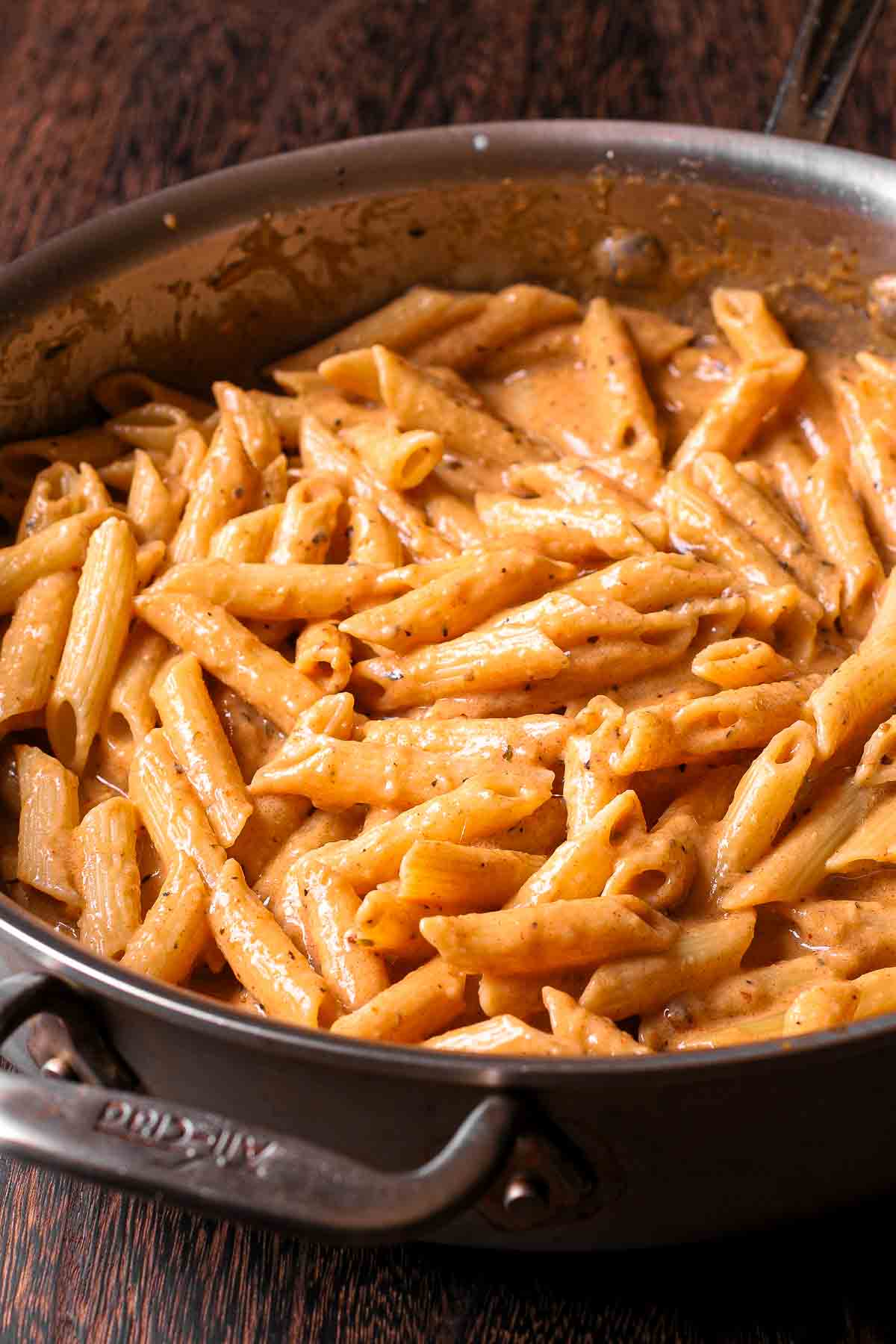
When I started cooking pasta more seriously, I thought shape was mostly an aesthetic decision. If I wanted something pretty, I used long noodles; if I wanted cozy, I grabbed short ones. Over time, especially as I tested one‑pan chicken and shrimp recipes, I realized the shape quietly decides whether the sauce clings, slides off, or disappears into the bottom of the bowl.
Now, when I'm standing in front of the pantry, I'm asking a simple question:
- Is this a silky, spoonable sauce that wants to coat?
- Or is this a chunky, textured sauce with bits of chicken, bacon, vegetables, or seafood that need places to hide?
If you're not sure how much pasta to cook for everyone at the table, start with my guide to How Much Pasta Per Person. Once you know the amount, these are the shapes I use most and the sauces they love.
Long Strands (Spaghetti, Linguine, Fettuccine)
Best for: silky, smooth sauces that should coat every strand.
I reach for long pasta when the sauce is:
- Creamy and glossy (white wine, Alfredo‑style, lemon cream)
- Olive oil-based (garlic, chili flakes, herbs)
- Light tomato or wine sauces without a lot of chunky add‑ins
Because these sauces are usually emulsified (fat + starchy pasta water + cheese), they need surface area, not nooks and crannies. Long strands give you that "restaurant twirl" feel with a thin, even coating.
On What's In The Pan, the same silky‑sauce logic is what makes long shapes work beautifully in white wine and cream-style dishes, especially if you're finishing the pasta in the pan using my method from How to Emulsify Pasta Sauce with Pasta Water.
For perfect texture, I always pull long pasta just shy of done and finish it in the sauce-timing and cues are in How to Cook Pasta Al Dente.
Tubes and Ridges (Penne, Rigatoni, Ziti)
Best for: chunky, hearty sauces with "bits" that need somewhere to go.
I like tube shapes when the pan is full of:
- Chicken pieces, sausage, or bacon
- Spinach, mushrooms, sun‑dried tomatoes
- Creamy or tomato sauces with some body
The hollow centers and ridges trap sauce, meat, and vegetables so every bite has a good mix of pasta and "stuff." They're especially good in one‑pan chicken dinners where everything finishes together.
Examples on the site that use this idea:
- Chicken Penne with Bacon and Spinach in Creamy Tomato Sauce - penne catches the bacon, spinach, and creamy tomato sauce in every tube.
- Cajun and Louisiana‑style chicken pastas - the spicy, creamy sauce, bell peppers, and chicken need a sturdy, ridged shape so the flavor doesn't slide off.
Any time the sauce is bold and chunky-like Cajun chicken pasta or Louisiana chicken pasta-I automatically think of tubes or short, ridged shapes.
Twists and Spirals (Rotini, Fusilli, Gemelli)
Best for: thicker sauces and fine "bits" that cling to curves.
Twisted shapes are like built‑in sauce traps. They shine when the sauce has:
- Thicker cream bases
- Lots of finely chopped vegetables or herbs
- Crumbled bacon or sausage that can tuck into the spirals
Because they grab sauce from every angle, I use them for rich skillet pastas and pasta salads where I want a lot of flavor in every bite. They're a great alternative to penne if you want more texture without changing the sauce formula.
Wide Ribbons (Pappardelle, Tagliatelle)
Best for: rich, slow‑cooked, "special" sauces.
Wide ribbons feel a little more indulgent and pair well with:
- Meat ragùs
- Creamy mushroom sauces
- Heavier cream sauces that you want to drape, not just dot
They're not my everyday weeknight shape, but when I've put time into building deep flavor in the pan and I'm finishing the pasta in that sauce with pasta water, wide ribbons give the best ratio of pasta to sauce in each bite like I did in Creamy Meatballs and Pasta.
Small and Spoonable Shapes (Shells, Elbows, Orzo, Ditali)
Best for: soups, baked dishes, and ultra‑cozy skillets.
I use small shapes when the dish is meant to be:
- Eaten with a spoon (soups, brothy pastas)
- Shells stuffed with goodness, such as Ricotta Stuffed Pasta Shells with Sausage and Spinach
- Extra creamy and "scoopable" (baked pasta, mac and cheese-style dishes)
They blend into the sauce so every spoonful tastes the same-no twirling, just scoop and eat. They're great for family dinners where comfort is the priority: Instant Pot Shrimp Orzo with Tomatoes and Feta and Chili Crisp Garlic Ditalini Pasta.
How This Ties into My Pasta Method
Shape is only one piece of the puzzle. No matter which box I grab, I'm almost always:
- Measuring portions with the guidelines from How Much Pasta Per Person so the sauce‑to‑pasta ratio feels right.
- Cooking to just‑right bite using How to Cook Pasta Al Dente so the shape holds its texture.
- Finishing the pasta in the sauce with starchy water as in How to Emulsify Pasta Sauce with Pasta Water so the sauce clings to the exact shape I chose.
You'll see that combination in:
- Chicken Pasta in Creamy White Wine Parmesan Cheese Sauce - long strands in a silky white wine cream sauce.
- Chicken Pasta with Spinach and Cherry Tomatoes in Wine Cheese Sauce - a shape that can handle chicken, tomatoes, and greens in a light wine‑cheese sauce.
- Chicken Penne with Bacon and Spinach in Creamy Tomato Sauce - penne for a chunky, creamy tomato skillet.
- Chipotle Chicken Pasta and my Louisiana/Cajun chicken pastas - sturdy, short shapes that stand up to smoky, spicy cream sauces.
Shay says
So yummy! I think my go to pasta now will be absolutely any pasta shape!