

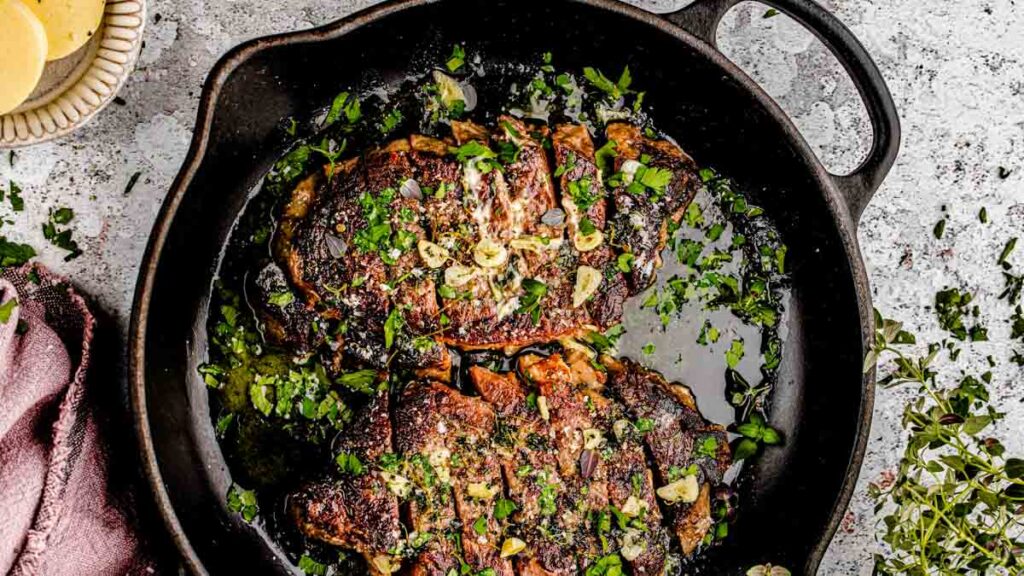
Skillets take a beating, just like stoves do. We don't respect them. But, at the same time some of my pans are older than I am. I'm talking 1930s cast iron - thrifted, inherited, or obtained on Facebook marketplace - sitting right alongside a few newer pieces I've picked up over the years. Every single one of them will outlast me. Meanwhile, I hear all the time that people are tired of replacing non-stick pans every 2 years. Is there a better way?
Trapped in the Nonstick Cycle (And Feeling the Guilt)
Is anyone else just trapped in the wasteful cycle of throwing away nonstick pans every couple years when they inevitably lose their nonstickness? Or is it just me? I have been through a variety of traditional Teflon and ceramic like greenpan and nothing stays nonstick for long. I hate this waste.
But Cast Iron Isn't Always the Answer Either
I know, I know, I do have lots of cast iron, I do, but I just can't cook eggs, potatoes etc. in it without putting an ungodly amount of butter or oil and I'm trying not to consume an extra 200 calories of fat every morning for breakfast!
The Stainless Steel Truth
Here's my short answer. Stainless works for fried eggs, and it works for something like a country style omelet, but I would love anyone to show me a successful French omelette or soft scramble on their stainless with no sticking! For that I can only use non-stick exclusively.
For stock pots and saucepots, I only buy stainless steel - full stop. If you want to splurge on something special, a beautiful Staub or Le Creuset enameled Dutch oven is absolutely worth it for acidic braises and slow cooks. But plain cast iron? It's unbeatable for frying steaks and baking bread, and if you ever mess up the seasoning, you just reseason it. Problem solved. No pan replacement required.
Tips for Getting the Most Out of Your Cookware
Personal Advice #1: Always Use the Right Pan for the Job
Are you cooking a dinner with liquids and things that generally don't have issues with sticking? Then stainless steel is probably a better choice. Are you searing protein over high heat? Then cast iron/carbon steel/stainless steel is a better choice. Are you cooking eggs and potatoes for breakfast over moderate heat? Then nonstick is fine.
Personal Advice #2: Never Preheat an Empty Pan
I am not saying you should not preheat the pan - I am just saying there should always be something in the pan when you preheat, ideally your cooking fat. This is because all of that heat energy has nowhere else to go except straight into the nonstick coating. It makes it easier and faster to overheat and potentially cause damage and off-gassing. Even just ½ teaspoon of oil in the pan will cause the oil to smoke before it reaches this point, which won't prevent those things, but it will definitely give you a visual indicator that the pan is too hot before it reaches that point.
So, How Often Should You Replace Your Pans?
If you've gone through two full sets of cookware in six years, you're not doing anything wrong - you're just buying the wrong material. The lifespan gap between a $40 nonstick pan and a well-made stainless steel or cast iron piece is genuinely staggering:
| Material | Typical Lifespan | Notes |
|---|---|---|
| Ceramic nonstick | 1–2 years | Beautiful, but the shortest lifespan of the bunch |
| Nonstick (PTFE/Teflon) | 2–3 years | Replace immediately if coating flakes or bubbles |
| Anodized aluminum | 5–7 years | Replace when the matte finish disappears |
| Stainless steel | 15–20 years (or lifetime) | Basically indestructible with proper care |
| Traditional cast iron | Generations | Reseason and it's like new — forever |
| Enameled cast iron | Never* | *Unless enamel chips beyond 1 cm² of exposed iron |
The real kicker? PTFE coatings start degrading at just 360°F - well below the temperatures most of us cook at every day. Replacing two sets in six years is exactly what happens when nonstick is your go-to. The cycle is frustrating, expensive, and completely avoidable.
But if you get a cheap cast iron skillet even if it's second hand - you can always re-season it and it will behave like brand new. Here's the Ultimate Guide on How To Season Cast Iron Skillet so that it looks brand new.
What About Famous Brands and Celebrity Chef Pans?
You've probably seen HexClad, Caraway, and Made In all over your social media feed - and there's a reason for that. They are marketing-focused brands built on celebrity endorsements and aesthetically pleasing ad campaigns rather than pure performance. HexClad has only been on the market for about six years and has already accumulated class action lawsuits. Don't let a celebrity chef's face on a pan influence your purchase. The best cookware doesn't need a famous spokesperson (even though Gordon Ramsay famously endorses HexClad Hybrid Cookware and their pans feature a unique raised stainless steel hexagonal grid paired with non-stick valleys, allowing you to use metal utensils while still getting a good sear.
In my opinion, a good pan purchse just needs to perform decade after decade.
The Best on the Market: Hestan Culinary
If you want the absolute best in heat conduction and quality, the conversation starts and ends with Hestan. Made in Italy with a patented NanoBond titanium surface, Hestan delivers unmatched heat conduction, extraordinary durability, and a lifetime warranty - a rare promise that tells you everything about how confident they are in their product.
What makes Hestan especially compelling is their titanium series, which behaves like nonstick but is 100% non-toxic - no PFAS, no PTFE, no concerns. It's scratch-resistant (practically unheard of at this performance level), and the versatility is remarkable: stovetop, oven, grill, pizza oven - it handles all of it without complaint. If you've been holding onto nonstick out of habit, Hestan's titanium line gives you everything you loved about it with none of the drawbacks.
For the Cast Iron and Enameled Lovers
For braising, slow cooking, and that gorgeous cream-colored kitchen aesthetic, enameled cast iron is a completely legitimate - and beautiful - choice. Unlike bare cast iron, it handles acidic ingredients like tomato sauce without issue and requires zero seasoning maintenance.
Le Creuset's Cream Collection remains the gold standard - the light interior actually helps you monitor browning and fond development while you cook, which is a genuine culinary advantage. Staub's cream exterior line, made in France with a matte black interior engineered for deep browning, is the chef-favored alternative. Both are true heirloom pieces that belong on a dinner table as much as a stovetop.

What About Stainless Steel?
Le Creuset's stainless steel line and Staub's stainless collection both bring serious craftsmanship to everyday cooking with tri-ply construction and full oven-safe capability. Both are excellent choices.
As for All-Clad - it was once the automatic recommendation for quality American-made stainless, and that reputation was well-earned. But the brand has shifted. They no longer offer a lifetime guarantee the way they once did, and quality control has become inconsistent. If you're spending All-Clad money today, ask yourself why you wouldn't just step up to Hestan - lifetime warranty, superior Italian construction, and titanium technology that genuinely sets it apart.

How to Extend the Life of Non-Stick Pans
There are a few things you can do to make these non-stick babies last longer.
- Never use high heat (unless the pan is mostly full of food or liquids)
- Never preheat empty
- Never run through dishwasher
- Never nest other pans inside (use a towel to separate)
- Only use silicone utensils, even wood can be abrasive and cause scratches
- Never use cooking sprays with soy lecithin (like PAM). Not using nonstick sprays is key! Those nonstick sprays lay down a gummy residue and over time will ruin your nonstick finish.
- Keep a little jar of avocado oil, and I use a brush to coat the inside of my nonstick pans prior to cooking something sticky. Avocado oil spray is practically the best option for all scenarios. High smoke point, no residue, as good a fat as you can get. I love it. The pans last a lot longer this way.
- Use an oil mister instead of the non stick spray. All the convenience of PAM, non of the stuff other than oil. I buy an oil mister and fill it with olive oil. No more propellants to leave gummy residue on the pans.
- Offset their use with other pans that aren't nonstick as much as possible
- Whisper sweet nothings to them every night before bed
Which One To Choose?
Two sets in six years is what happens when you buy nonstick and ceramic. Buy quality once - Hestan for stainless performance, Le Creuset or Staub for enameled cast iron, or Hestan's titanium line if you want that nonstick feel without the toxins - and you'll spend the rest of your cooking life adding pieces you love, not replacing ones that failed you.
And if you really want to cook like your grandmother did? Hunt down some vintage cast iron at a thrift store. Season it once. Cook in it forever. Some of the best pans in existence were made before most of us were born.
Which pan are you reaching for most in your kitchen right now?
Recipes to Cook With Each Type of Pan
Cast Iron Recipe Hub
If you want to see exactly how much work a single cast iron skillet can do, these are my go-to recipes that live in heavy rotation in my ktichen - from steak and fries to focaccia and peach galette, it's the same pan doing all the heavy lifting.
- Cast Iron Mashed Potatoes - Buttery mashed potato "pie" with cream cheese and crispy edges.
- Cast Iron Baked Pork Tenderloin - Mustard, garlic, herb-crusted pork with a deep, even sear.
- How To Season Cast Iron Skillet - Step‑by‑step guide to making cast iron naturally nonstick.
- Crispy Oven Baked French Fries (Cast Iron Method) - Shatter‑crisp fries thanks to cast iron's heat retention.
- Baked Chicken Thighs with Bacon and White Wine Sauce - One‑pan roasted chicken with a rich, bacon‑white wine sauce.
- Pan‑Seared Steak (Perfect Every Time) - Restaurant‑style crust and juicy center, every single time.
- Peach Galette - Rustic fruit dessert with caramelized edges in the same skillet.
Stainless Steel Recipe Hub
Stainless is my go‑to for fast weeknight dinners, big flavor browning, and silky pan sauces.
- Easy Chicken and Vegetable Stir Fry - Quick, colorful stir fry that uses stainless for high‑heat searing without sticking.
- Crispy Parmesan Crusted Chicken - Pan‑fried in 25 minutes, with stainless giving you that crisp, even golden crust.
- Pan‑Seared Chicken Pasta in Chardonnay Sauce - Chicken browned in stainless, then tossed in a creamy white wine pan sauce.
- Creamy Cajun Shrimp and Sausage Pasta - Stainless helps you build deep Cajun flavor before finishing in a rich, creamy sauce.
- No‑Bake Chocolate Pudding Cream Pie - A cool, creamy dessert to follow all those skillet dinners (no oven required).
Enameled Cast Iron Recipe Hub
Enameled cast iron is where I go for cozy braises, soups, and anything that needs gentle, steady heat with easy cleanup.
- Beef Cabbage Soup - A hearty, cozy soup that simmers beautifully in enameled cast iron without catching on the bottom.
- Italian Style Beef Liver - Marsala, aromatics, and enameled cast iron come together for tender liver and rich sauce.
- Honey Mustard Pork Chops - Juicy pork chops seared, then finished in a sweet‑tangy honey mustard sauce right in the pot.
Carbon Steel Recipe Hub
When I want that "bistro skillet" vibe at home - hard sear, fast toss, big flavor - I reach for carbon steel. These are the recipes that live in mine. Carbon steel is my "restaurant pan" at home - it loves high heat, fast searing, and bold flavors once it's nicely seasoned.
- Crispy Pan‑Fried Dynamite Shrimp Appetizer (No Deep Fryer!) - Super‑crispy shrimp with big flavor, where carbon steel's high‑heat sear gives you that fry‑shop crunch without a deep fryer.
- Garlic Mustard Chicken Thighs - Juicy thighs with a punchy garlic‑mustard crust that really benefits from carbon steel's quick browning.
- Spicy Thai Peanut Noodles with Linguine - A fast, high‑heat noodle stir fry that uses carbon steel like a wok for glossy sauce and just‑tender veg.
Nonstick Recipe Hub
Even with all my vintage cast iron and stainless, I still keep one good nonstick in rotation for the delicate, lower‑fat recipes that truly need that easy‑release surface. Nonstick is my "must‑have" for the ultra‑delicate, low‑fat, no‑stick recipes that stainless and cast iron just don't handle as easily.
- Soft scrambled eggs and French omelettes - The kind of custardy, tender eggs that really do need a nonstick surface to stay silky instead of tearing.
- Crepes and thin pancakes - Batter spreads evenly and releases cleanly, so you get those lacy edges without fighting the pan.
- Low‑oil breakfasts - Sautéed veggies, potatoes, and egg dishes where you're deliberately cutting back on butter and oil but still want them to release.
- Gentle, sticky, or cheesy recipes - Grilled cheese, quesadillas, and melty sandwiches that benefit from easy flip-and-slide rather than a hard crust.
- Quick veggie sautés and simple fish fillets - Weeknight "no drama" cooking when you just need everything to cook through and release without babysitting.
Comments
No Comments