
Whether you just bought your first grill or you've been winging it for years, this guide covers everything you need to grill confidently - the right heat, the right tools, and the right techniques to get juicy, flavorful results every single time.

When you're just getting started grilling pork, it helps to practice on forgiving cuts that really love the grill and don't punish you for every little mistake. Think ultra-juicy smoked pork butt that slowly turns tender over low heat, classic BBQ ribs that get sticky and caramelized under a glossy sauce, and quick-cooking cuts like grilled pork tenderloin that pick up beautiful grill marks in just a few minutes. These are the kinds of recipes that make you feel confident at the grill, because even if your timing isn't perfect yet, you still end up with something flavorful, juicy, and impressive enough to share.
From mastering direct heat (that hot, sizzly zone for quick sears) to knowing when to slide everything over to indirect heat and just let it gently finish, this guide walks you through the exact techniques I rely on when I'm grilling pork for friends and family. We'll talk about how to tell when your pork is done without overcooking it, how to layer on flavor with marinades, rubs, and sauces, and even how to fit everything on the grill when you're cooking for a crowd. If Memorial Day is your next big cookout, start with What to Grill for Memorial Day for a full timing sequence and menu ideas, then come back here and dig into the technique posts below so you can head outside feeling prepared instead of guessing.

What You'll Learn
- The two types of grill heat - and when to use each
- How to set up your grill correctly before cooking
- The most important tool you'll ever use (it's not tongs)
- How long to preheat your grill
- Basic techniques: searing, two-zone cooking, and resting meat
- Internal temperature guide for the most common proteins
Once you're ready to put the information from this guide into practice, then head over to 20 Favorite Recipes to Throw On The Grill - absolutely the best grilled recipes for beginners. From juicy steaks and foolproof chicken to quick shrimp and weeknight-friendly pork chops, these recipes are designed to be simple, reliable, and full of flavor. They'll help you build confidence at the grill while mastering core techniques like direct heat, two zone grilling (used on Grilled BBQ Chicken and Bacon Skewers), proper searing, and resting meat for maximum juiciness.

Ready to Master the Grill?
- Interested in steak specifically? How to Grill Steak (Juicy, Perfect Every Time) covers everything from choosing your cut to nailing the perfect sear.
- Grilling for a crowd that includes seafood lovers? How to Grill Shrimp (Juicy, Perfect Every Time) is your go-to, and if you've ever ended up with rubbery shrimp, Why Your Shrimp Goes Wrong (and How to Fix It) will fix that problem for good.
- Rounding out your grilling repertoire with pork? How to Grill Pork Chops (Best Cuts, How to Marinate and Grill Times) walks you through the best cuts, marinades, and exact grill times so you never serve a dry chop again.
- Want to learn how to grill pork tenderloin? This is what my step‑by‑step How to Grill Pork Tenderloin guide is for.

Clean Your Grill First
If your grill hasn't seen daylight in a while, don't skip a deep clean before your first cook. I break down the exact steps in this guide on how to clean an old, unused grill, from high-heat burn-off to scraping, vacuuming, and re-seasoning, so you can start grilling on a safe, fresh surface.
Once your grill is spotless, it's time to clean grill grates so they look almost brand new!
Charcoal vs. Gas vs. Pellet: Which Grill Do You Have?
The good news: the techniques in this guide work on all three. Here's a quick overview of each so you know what you're working with.
- Gas grill - easiest to control, heats up in 10-15 minutes, great for weeknight grilling. Temperature is adjusted with knobs.
- Charcoal grill - delivers the best smoky flavor, requires a chimney starter and 20-25 minutes to get ready. Temperature is controlled by adjusting the vents.
- Pellet grill - uses wood pellets for fuel, offers a digital temperature controller, and produces consistent low-and-slow results. Great for longer cooks. Here's why the Pellet Smoker gives you the most hands-off BBQ experience.
If you're just starting out and own a gas grill, you're in the easiest position to learn. If you have charcoal, the learning curve is slightly higher but the payoff in flavor is worth it.

Direct vs. Indirect Heat: The Most Important Concept in Grilling
If there's one thing that separates a confident griller from a frustrated one, it's understanding the difference between direct heat and indirect heat. Most beginner mistakes - burned outsides, raw insides, dry chicken - come from using the wrong heat method for the food being cooked.
Direct Heat
Direct heat means cooking your food directly over the flame or hot coals. The food sits right above the heat source.
Use it for:
- Foods that cook in under 20 minutes
- Thin cuts: steaks (under 1.5 inches), burgers, boneless chicken thighs, hot dogs, shrimp, fish fillets, vegetables
- When you want a crust, char, or grill marks
How it works: The intense, direct flame hits the surface of the food and creates the Maillard reaction - the same browning process you get when you pan-sear a steak in a cast iron skillet. High heat (400-500°F) over a short time = flavor crust.
The risk: Direct heat can burn the outside before the inside is cooked. That's why it works best for thinner cuts or foods that are already close to finished internal temp.
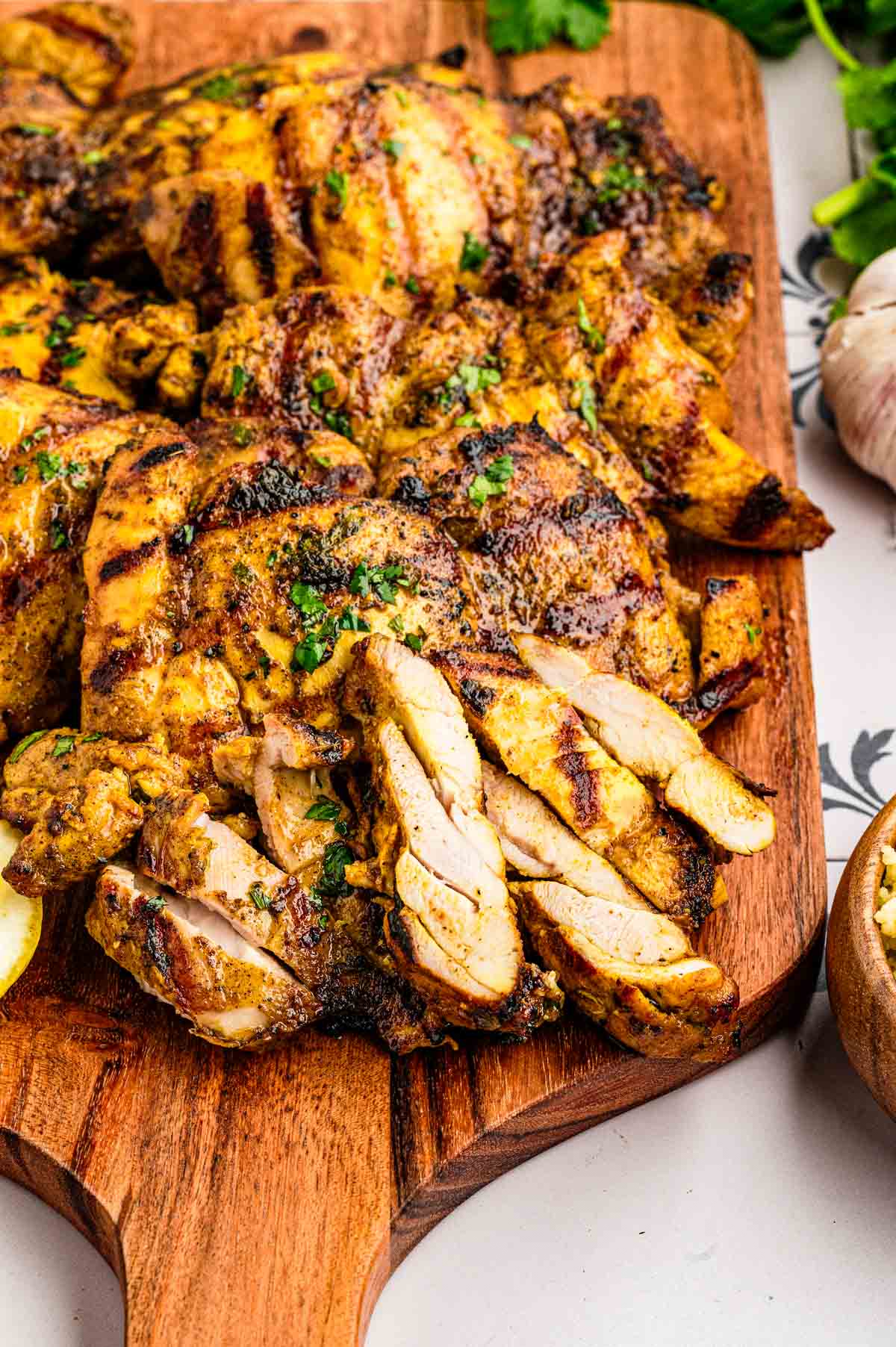
Image below: Moroccan Chicken Thighs on the Grill using Direct Heat Method.

Indirect Heat Method
Indirect heat means cooking your food next to the flame, not over it. The grill lid traps hot air that circulates around the food like a convection oven.
Use it for:
- Thick cuts that need time: whole chicken, bone-in chicken breasts, thick pork chops (over 1 inch), pork tenderloin, ribs, brisket
- Anything that would burn before cooking through on direct heat, such as bacon in these Grilled BBQ Chicken and Bacon Skewers.
- Finishing a thick sirloin steak after searing
How to set up indirect grilling
- Turn on burners on one side only.
- Turn 2 of the burners off on your grill to set your grill up for indirect grilling and oil the grates with no flame underneath with canola oil.
- Place the skewers or meat (whatever you're using) on top of the grill with no flame (the unlit side) and close the lid. Cook for 10 minutes on the unlit side.
- Flip the skewers (or meat) over and baste with BBQ sauce (if using). Continue cooking for an additional 10 minutes on the lit side, then flip the skewers and baste once more and then cook for an additional 3-4 minutes.
- Move the skewers or meat to the side that is on and cook for additional couple of minutes only.
How to set it up on a charcoal grill: Push all the hot coals to one side. Place food on the empty side, close the lid.
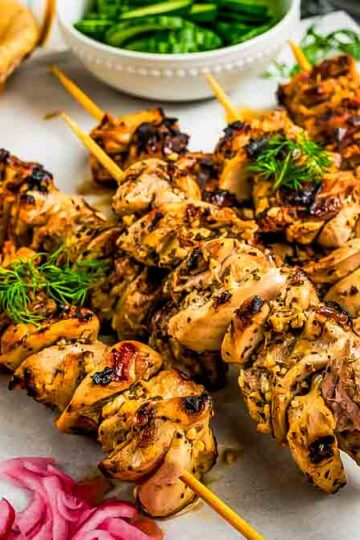
Grilled BBQ Chicken and Bacon Skewers is the perfect use for indirect grilling as it allows the chicken to fully cook without burning the bacon. Image below using Indirect Heat Method.

The Two-Zone Method
The most versatile grilling setup is a two-zone fire - one half of your grill on high/direct heat, one half on no heat/indirect. This gives you the best of both methods at the same time.
Example: Grill a thick bone-in pork chop on indirect heat until it reaches 130°F internally, then move it to the direct heat side for 60-90 seconds per side to get a crust. This is the same concept as reverse searing a steak on the stovetop - low and slow first, then a high-heat finish.
This method is the safest, most foolproof technique for beginners grilling any protein thicker than 1 inch.
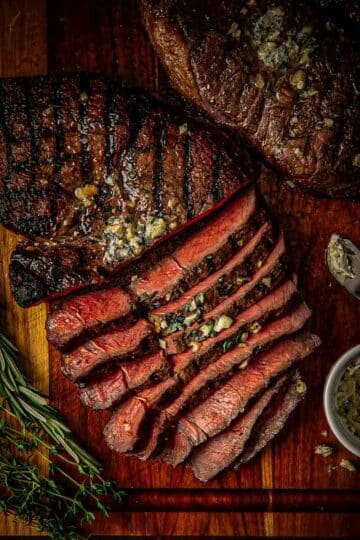
Image Below: Grilled Pork Tenderloin Using Two-Zone Method.

How to Preheat Your Grill (and Why It Matters)
Cold grill grates are one of the most common beginner mistakes. If you put food on a cold or barely-warm grill, it sticks, it doesn't sear, and you lose all those grill marks.
Gas grill: Turn all burners to high, close the lid, and preheat for 10-15 minutes. The grates should reach 450-500°F before food goes on.
Charcoal grill: Fill a chimney starter with charcoal, light the bottom, and wait 20-25 minutes until the top coals are ashed over and glowing orange. Pour them in and let the grate heat for another 5 minutes.
How to test if it's ready: Hold your hand 5 inches above the grate. If you can only hold it there for 2-3 seconds, you're at high heat. 4-5 seconds = medium heat. 6-7 seconds = low/indirect heat.

Essential Tools Every Beginner Needs
You don't need a lot of gear to grill well. You need the right few things.
- Instant-read meat thermometer - This is the single most important tool. Not guessing doneness by time or touch, but actually knowing the internal temp is what separates good grilling from great grilling. Recommended: ThermoWorks Thermapen or ThermoPop.
- Long-handled tongs (12-16 inches) - Keep your hands away from the flame. Avoid forks, which pierce the meat and release juices.
- Grill brush or scraper - Clean grates before and after every cook.
- Heat-resistant gloves - For moving charcoal, adjusting grates, or handling cast iron grill pans.
- Chimney starter (charcoal only) - Never use lighter fluid. A chimney starter uses newspaper and produces perfectly even coals in 20 minutes.
Internal Temperature Guide
The most reliable way to know your food is done - and safe - is internal temperature. Never rely on color alone.
| Protein | Safe Internal Temp | Pull Off Grill At | Notes |
|---|---|---|---|
| Steak (medium-rare) | 135°F | 130°F | Carryover cooking adds ~5°F |
| Steak (medium) | 145°F | 140°F | |
| Pork chops | 145°F | 140°F | Let rest 3 minutes |
| Chicken thighs | 175°F | 170°F | Thighs are best at higher temp |
| Chicken breast | 165°F | 160°F | Do not overcook |
| Salmon | 125–130°F | 120°F | For medium, slightly translucent center |
| Shrimp | Pink & opaque | — | 2–3 min per side, no thermometer needed |
| Burgers | 160°F | 155°F | USDA minimum for ground beef |
Always insert the thermometer into the thickest part of the cut, away from bone.
The Resting Rule
One of the most skipped steps in grilling - and the most important after cooking - is resting your meat. When meat is on high heat, the juices are driven toward the center. Cutting immediately lets those juices run out onto the cutting board. Resting lets them redistribute throughout the meat.
General resting times:
- Steaks and pork chops: 5 minutes
- Bone-in chicken: 5-7 minutes
- Whole chicken or large roasts: 10-15 minutes
Tent loosely with foil. Do not wrap tightly - it steams the crust you just worked hard to build.
Beginner Mistakes to Avoid
- Moving food too soon - Food naturally releases from grates when it's ready. If it sticks, it needs more time. Don't force it.
- Pressing down on burgers - This squeezes out all the fat and juice, leaving you with a dry patty.
- Opening the lid constantly - Every time you lift the lid on a charcoal or pellet grill, you lose heat and add minutes to your cook time.
- Skipping the thermometer - Cooking by time alone is how you end up with raw chicken or overcooked steak.
- Not oiling the grates - Use tongs to rub a folded paper towel dipped in high-smoke-point oil (like avocado or vegetable oil) across the hot grates just before adding food.
What to Grill First as a Beginner
If you want to put those fundamentals to work on a weeknight-friendly cut, pork tenderloin is one of the best starting points - lean, fast, and impressive. Our How to Grill Pork Tenderloin guide walks through every step, from silver skin removal to the exact moment to pull it off the heat.
You can also experiment with boneless chicken thighs, chicken wings (Sweet & Spicy Grilled Chicken Wings) or skirt steak. Both are forgiving, cook quickly over direct heat, and taste incredible with minimal seasoning.
Once you're comfortable with timing and temp, move on to thick-cut pork chops using the two-zone method.
Beginner progression:
- Skirt steak or flank steak (direct heat, 3-4 min per side)
- Boneless chicken thighs (direct heat, 5-6 min per side)
- Thick-cut pork chops (two-zone method)
- Bone-in chicken (indirect heat + finish on direct)
- Whole pork tenderloin (indirect heat)
Picture below: Grilled Chicken Fajita Skewers are easy enough for the beginners.

FAQ
How long should I preheat my grill?
Gas grills need 10-15 minutes on high with the lid closed. Charcoal grills need 20-25 minutes from chimney to grate-ready.
What's the difference between direct and indirect heat?
Direct heat cooks food over the flame - best for thin, quick-cooking cuts. Indirect heat cooks food beside the flame with the lid closed - best for thick cuts that need time to cook through without burning.
How do I keep chicken from drying out on the grill?
Use bone-in, skin-on thighs when possible - they're naturally more forgiving than breasts. Cook to 175°F internal, and let rest 5 minutes before cutting.
Do I need to oil my grill grates?
Yes - always oil hot (not cold) grates right before adding food using a high-smoke-point oil on a folded paper towel held with tongs.
Can I grill on a cast iron grill pan indoors?
Absolutely. A cast iron grill pan on a stovetop mimics direct-heat grilling and delivers grill marks and a crust. See our [cast iron grill pan guide →] for more.
Ready to go deeper?
Browse my full grilling guide hub
→ or jump straight to what temperature to grill steak →, how to grill pork chops →, or the two-zone grilling method →
Ready to practice?
Start with my best grilled recipes and 15 Best Kebab & Skewer Recipes From Around the World. These easy, flavorful dishes will help you build confidence at the grill and master the basics fast.


Priscilla says
good tips on grilling meats = thank you.
Sandy says
Cleaned my grill, set up the patio furniture and all the meat: pork butt, brisket, hotdogs, etc are in my freezer! can't wait to cook the pork butt in a couple of days!